You have drawings. Maybe a CAD file, maybe dimensioned sketches, maybe a photo of a competitor's product with notes in the margin. You send them to three factories in Guangdong. Two never reply. The third answers within the hour: "Yes, we can do it. Please send more details."
That reply feels like progress. It tells you nothing about what happens next, what it will cost, who owns the tooling, or whether this factory has ever built anything at your level of difficulty. Saying yes costs a factory nothing, so every factory says yes.
I am Karsa. I work as a sourcing agent in Zhaoqing, in the middle of Guangdong's factory belt, and much of what I do is exactly this: take a product that exists only in someone's head or in a CAD file, and get it built. Below is the sequence I walk clients through, with the money explained at each stage, especially tooling.
One boundary. This article is about OEM manufacturing in China, where the factory builds to your design. If the product already exists and you want your logo and packaging on it, that is private label, not OEM, and private label manufacturing in China is a separate process. OEM starts where the catalog ends, with you owning the design and paying a factory to build something that does not exist yet.
01 OEM, ODM and Private Label: Which One Are You Actually Buying
What OEM means when a Chinese factory says it
The word gets used loosely, and the looseness costs buyers money. In a real OEM project you supply the design and specification, and the factory supplies capability, labour and process control. One question settles it: could you hand those drawings to another factory next year and get the same product? If yes, you are buying OEM.
What ODM changes about cost, speed and exclusivity
ODM means the factory already owns a design and you adapt it: your colourway, your logo, a moved port. There is little or no new tooling, so development is faster and the minimum is lower. The trade-off is exclusivity. Unless you negotiate it in writing, the same base product can be sold to someone else.
Where private label sits
Private label is an existing factory product with your brand and packaging on it. We cover private label manufacturing in China separately, and its numbers are not interchangeable with anything below.
The three models side by side
| Model | Who owns the design | Who pays tooling | MOQ shape | Development time | Someone else can buy it |
|---|---|---|---|---|---|
| OEM | You | Usually you, upfront or amortized | Highest, set by tooling recovery | Longest, tooling and sampling | No, your tool and your design |
| ODM | The factory | Usually already paid for | Moderate to low | Short, mostly cosmetic changes | Yes, unless exclusivity is written |
| Private label | The factory | No new tooling | Lowest | Shortest | Yes, that is the point |
Read that as a decision rather than a vocabulary test. OEM costs the most and takes the longest because you are paying for something to be created. In exchange you get a product nobody else can list.
02 Tooling and Molds: The Cost Line That Defines an OEM Project
This is the section most guides in this space skip, and it is the one that decides whether a project works.
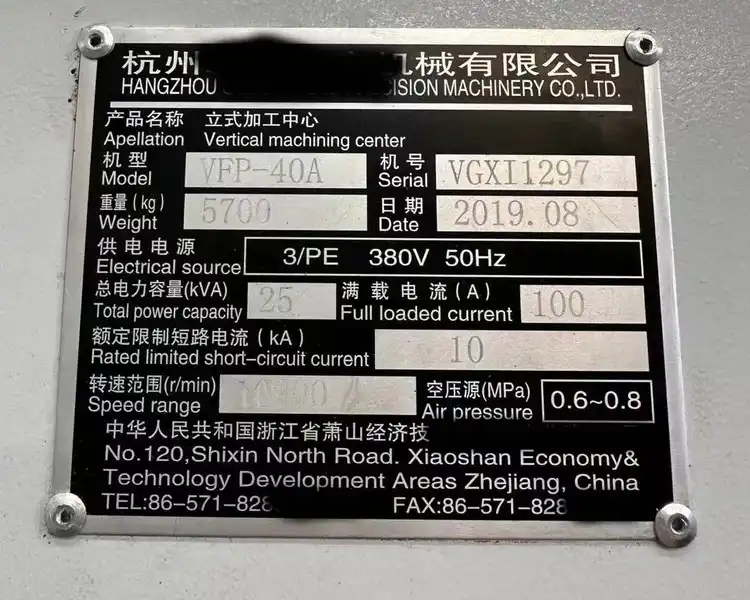
Nameplates in the tool room tell you what a factory can actually cut, and how old the equipment is.
What you must hand over before a factory can quote tooling
"Please send more details" is usually not a brush-off. It means they cannot price anything yet. A tooling quote needs drawings or 3D files, a bill of materials, material specs, tolerances, surface finishes, your target annual quantity, and your target market, because the market drives compliance. Send a render and a vague target price and you get a guess.
What tooling actually includes
Tooling is rarely just one mold. Ask for it itemised and expect some mix of the production mold, dies for cut parts, assembly jigs and fixtures, a test rig, and printing plates. Itemisation matters because each line has a different lifespan, and a bundled tooling number is very hard to audit later.
Three ways tooling gets paid, and what each does to your unit price
You pay upfront and own the tool. This needs the most cash at the start and gives the lowest unit price, because nothing is hidden in the piece cost. The tool is also yours, which makes production portable.
Tooling gets amortized into the unit price. Upfront cash is low and the piece cost carries it, but the tool is usually the factory's. Leaving means walking away from what you already paid for or paying to tool again elsewhere.
The factory carries the cost as an investment in your volume. Offered when projected volumes are large or when the product sells easily elsewhere, and that second clause is the risk. Get the no-use-for-others term in writing.
Two quotes with the same unit price can be completely different deals, so always ask which model you are being quoted.
Ownership, storage, maintenance and release: the clauses to get in writing
Paying for tooling does not make you the owner. Four clauses do the work.
- Ownership: the tool belongs to you, named in the agreement, recorded by its asset number.
- Maintenance and risk: who maintains it, who pays for repair, and what happens if it is damaged or worn out.
- No unauthorised use: the tool is not used to make product for anyone else without written consent.
- Release: the factory hands the tool to a carrier you nominate on request, within a stated time, plus a stated consequence if they refuse.
That release clause is what gives the others teeth. Without it, ownership is a sentence on paper.
Budget for modification: first test shots are rarely the final tool
The first shot out of a new tool almost never produces a finished part. Expect a loop around cooling, shrinkage, gate position, ejection marks and flash, plus your own fit adjustments. Ask how many modification rounds are included and who pays past that, and treat the first tooling quote as an opening position rather than a final number.
03 MOQ and Unit Price: Why the Two Always Move Together
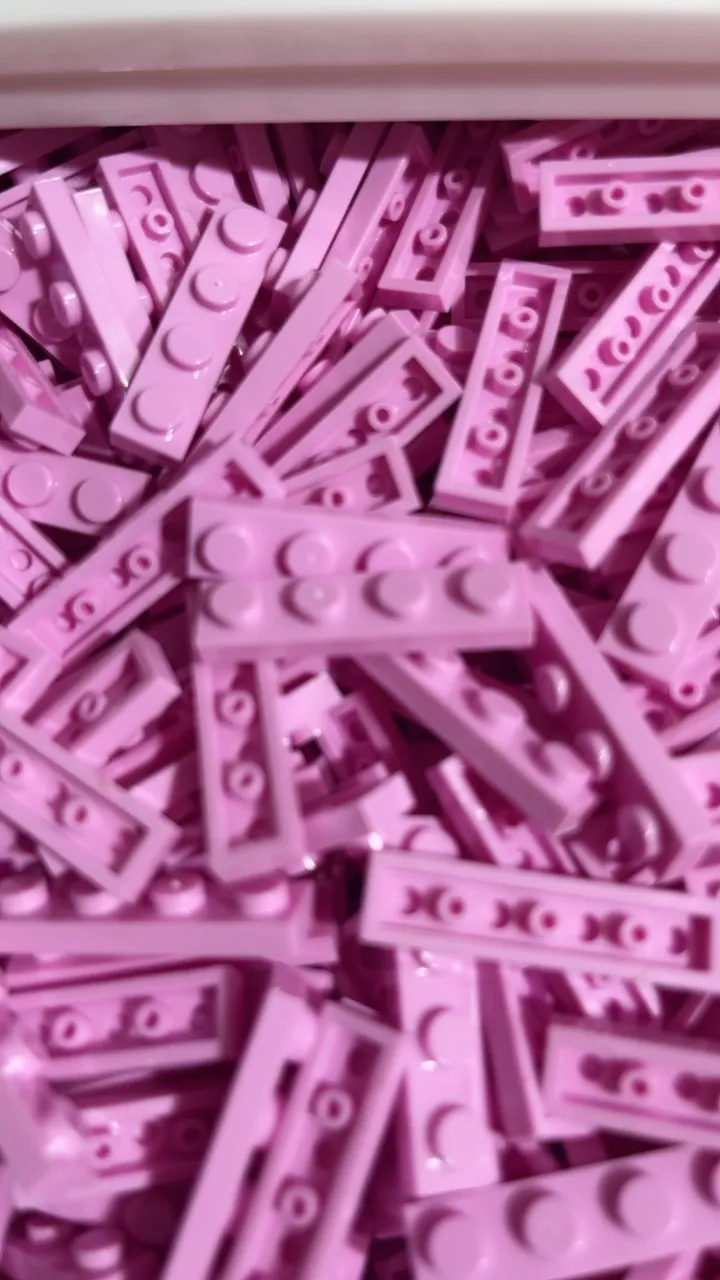
Injection molded components in mixed colors. Tooling is paid once, and the unit price carries it from there.
An OEM MOQ is mostly a tooling amortization decision
Buyers get annoyed when an OEM minimum lands far above numbers quoted for catalog goods. The reason is structural. The factory is recovering setup that genuinely exists: tooling time, machine hours lost to changeover, minimum material buys, line setup and scrap during ramp-up. This is also why an OEM minimum legitimately sits above a private label minimum.
How to read a quantity ladder and find the flattening point
Ask for pricing at three or four quantity levels rather than one. Unit price usually drops steeply across the first steps and then flattens, and past that point you are buying inventory and carrying risk rather than savings. Compare the extra discount against what it costs to hold stock for months.
Negotiating a first-lot MOQ without wrecking your unit economics
Some levers are honest. Accept a higher unit price on a smaller first lot. Combine colours or SKUs so the factory reaches its total even if each variant is small. Commit to a stated repeat in the same agreement. Simplify a finish that drives setup time. What rarely works is asking for a lower number without asking what consumes the setup, because then nothing changes on their side. The full playbook is in how to negotiate MOQ with a Chinese supplier.
When a low "custom" MOQ means you are really buying ODM
If a factory offers "custom" at a minimum close to its catalog levels, the tooling usually already exists and you are buying ODM. That can be a good deal, but know which product you are getting, and get exclusivity written down before you pay anything if exclusivity matters to you.
04 How to Find and Vet an OEM Factory in China
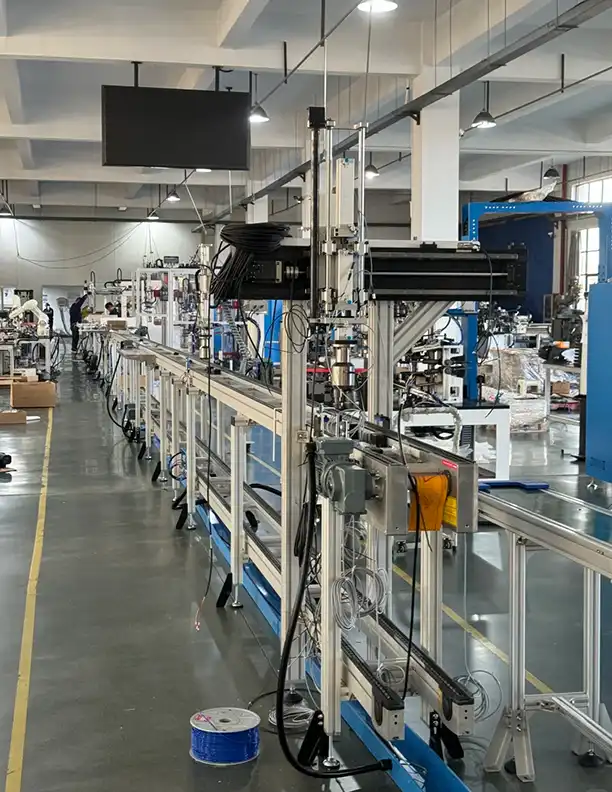
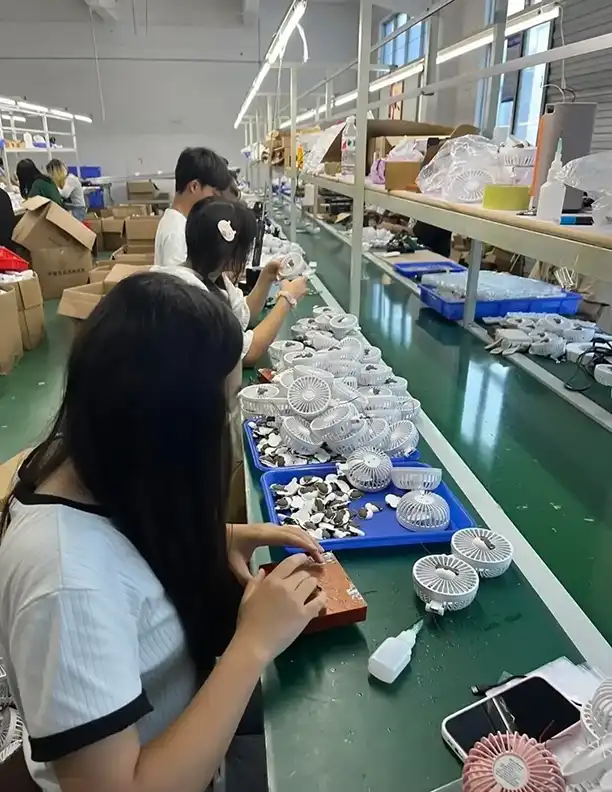
A production line in Guangdong. Capability makes one good part; capacity runs your whole order in your window.
Which industrial clusters matter for which product type
I will not hand you a map of every district, because a wrong match costs more than no match. The pattern worth knowing is that tooling-rich molding and assembly capacity concentrates in the Pearl River Delta, and within it districts specialise hard. A factory with your machines, your material suppliers and your finishing subcontractors in one industrial park recovers from problems faster than one trucking every operation across the province.
Channels that work: platforms, trade shows, referrals, and a local agent
Platforms are a search tool, not a verification tool. Trade shows are better because you handle parts and meet engineers rather than sales staff. Referrals from people with real order history are better still. A local agent is the shortcut, not because agents know secrets, but because verification is cheaper from inside the country.
Real factory or trading company
Ask for the business licence and match the registered address to the production address. Ask for a live video call from the production floor at a time you choose rather than a time they choose. How a supplier answers those two requests tells you most of what you need, and how to tell a trading company from a real manufacturer goes deeper on the licence check.
Capability versus capacity: a perfect sample proves nothing about a full run
Capability means they can make one good part. Capacity means they can run your whole order in your window. Ask how many lines can run your part, what the order book looks like over your target weeks, whether the machine is shared, whether they run second shift, and who their largest customers are by volume. That last one is not small talk.
The on-site audit checklist
Nothing replaces standing on the floor. Look for machines that match your part size and material, a tool room rather than only production machines, labelled and traceable material, a QC area with working gauges, and operators who can explain what they are making. If nobody on shift knows your product or your tolerances, that is your answer. The full walkthrough is our 8-step factory audit checklist, and if you cannot make the trip yourself, a factory visit and verification service is the next best thing.
05 Sampling and Golden Sample Sign-Off
The usual sequence: prototype, engineering sample, pre-production sample
A prototype proves the idea. An engineering sample proves material and function. A pre-production sample is built with production tooling on the line that will run your order, and it is the only one you should treat as binding. Approving bulk against a handmade prototype is how buyers end up with something never manufacturable at volume.
T1 and T2 test shots for molded parts, and what to look at
First shots off a new tool are labelled T1, T2 and so on. Inspect for short shots, sink marks, flash at the parting line, warp, gate vestige, ejector pin marks, colour consistency across the shot, and fit against mating parts. Do not accept a visible defect on the reasoning that it will improve in production. Production inherits whatever is in the tool.
Write an approval standard instead of saying "looks good"
"Looks good" is an opinion you cannot enforce later. Write the standard down: critical dimensions with tolerances, material grade, a physical colour reference, a function test someone else can repeat, and a cosmetic criterion stated as what passes and what fails, ideally with photos. Photograph the unit you approve from every angle.
Sealing and holding the golden sample on both sides
Both sides sign and keep a sealed reference unit, and you compare the batch against that physical unit. Comparing against photos or memory is how disputes start, and whoever holds the only sealed sample tends to set the terms. The step-by-step version is how to evaluate a sample before you commit to bulk.
06 Mass Production and Quality Control
The pre-production meeting and the locked BOM
Before the line runs, lock the bill of materials, material grades, colour references, approved sub-suppliers and packing spec in one signed document. Anything changing after that is a change order with a cost and a schedule impact. Most budget blowups trace to a change everyone agreed to verbally and nobody priced.
Initial production check during the first part of the run
Do not wait for the end of production to look at your product. Check the first day's output: correct material loaded, tooling holding dimension, operators trained on this part, packing correct. Problems found in the first few percent of a run are adjustments. Problems found at completion are a negotiation you lose.
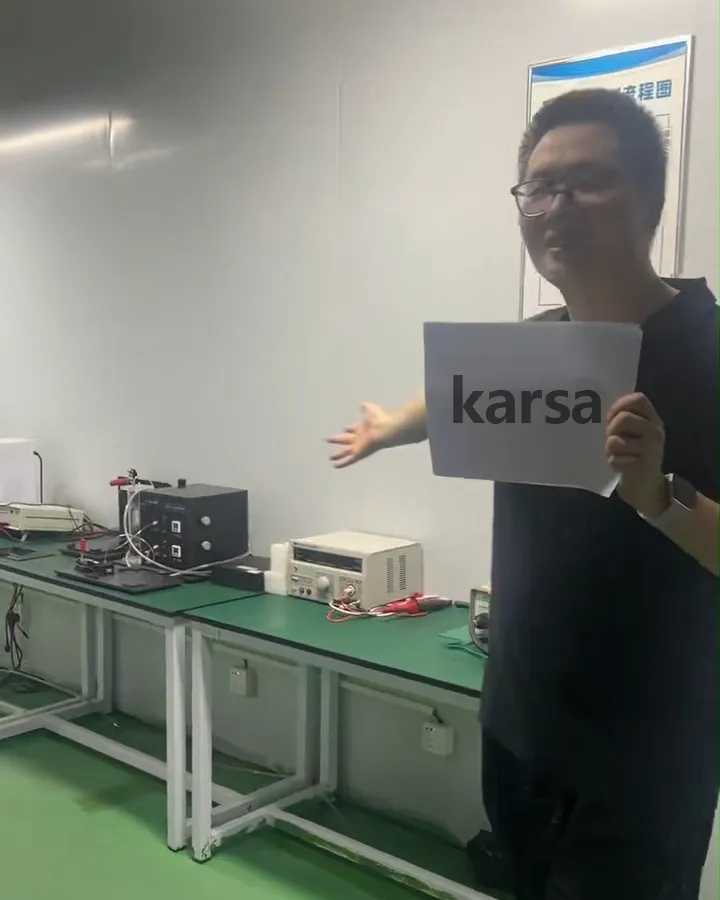
A QC area with working gauges rather than a folding table. This is where the golden sample gets enforced.
Pre-shipment inspection and agreed acceptance criteria
AQL sampling is the normal basis for pre-shipment inspection and the usual industry starting point rather than a magic threshold. What matters more is agreeing acceptance criteria and defect classifications in writing before production, so nobody argues about what counts as critical once the goods are boxed. Our pre-shipment inspection checklist covers the method in detail, and we run a QC inspection service in China for buyers who cannot be on site.
What to do when the batch does not match the golden sample
Stop and quantify the gap against the sealed sample. Your options are sort, rework, accept with credit, or reject and remake, and each costs differently depending on how far along payment you are. Once the goods ship and the balance clears, your leverage is gone. Hold final payment until you have seen the inspection report with photos and video.
07 Protecting Your Design: IP, NDA and Contract Terms
China is first-to-file: register your trademark before you share the design
China uses a first-to-file trademark system, so the party filing first generally holds the right regardless of who thought of it first. Register your brand name in China before sending drawings to multiple factories, and consider a design patent if the shape is the asset. Do it early, because filing takes time and sharing takes minutes.
Why a standard Western NDA is weak here, and what an NNN agreement covers
A generic Western-style non-disclosure agreement under your home law is often hard to use here. The tool that fits is an NNN agreement, meaning non-disclosure, non-use and non-circumvention, drafted to be enforceable under Chinese law. The three parts matter separately: no disclosure, no use for themselves or another buyer, and no going around you to your customers. Name the exact legal entity, specify jurisdiction in China, and sign before releasing detail.
Tooling ownership as your leverage, not just a legal formality
This is where the tooling thread returns. Owning the tool makes production movable, and a credible threat to move is what keeps terms honest at the second and third reorder. Ownership without the release clause, though, is ownership you have to argue about.
Limiting exposure: splitting production, staged design release, and what is realistic to enforce
Be realistic about what documents alone can do. Split critical sub-components between suppliers so no single party holds the whole picture. Release the design in stages, from general brief to full detail only after the agreement is signed. Assume enforcement is expensive anywhere, and rely on contracts plus commercial leverage rather than expecting one legal document to do the whole job.
08 Lead Times, Shipping and Getting the First Batch Out
The phases that eat the calendar, and which ones run in parallel
The phases are enquiry and design-for-manufacturing review, tooling build, first shots and modification rounds, sample courier and your evaluation, material procurement, production, inspection, packing, then export and freight. Some of that overlaps: packaging artwork, compliance testing and bookings can move while the tool is still being modified. What cannot be compressed is your own approval time.
Why quoted lead time usually means production time, not delivered time
Ask what a quoted lead time starts from. It normally means time to finish production after approval and deposit, and it excludes tooling build, courier time, your approval cycles, inspection booking, port handling, customs clearance, ocean transit and last-mile delivery. Ask for dates with owners rather than durations, then build your own calendar backwards from when you need stock.
Booking freight and export documentation before the goods are packed
Incoterms define where cost and risk transfer, so agree the term before booking anything and know who carries insurance after the handover point. Book freight before the goods finish packing, and line up the packing list, commercial invoice, HS code classification, any certificates your destination requires, and the carton marks your channel demands. Documentation delays hold containers as reliably as production delays, and sea freight options and transit times from China covers the shipping half of the calendar.
Build landed cost before you approve the tooling spend
Tooling amortization depends entirely on how many units you actually sell, which makes landed cost the input rather than the output. Unit price plus your share of tooling, plus freight, duties, inspection, storage and payment costs, divided by realistic units sold, decides whether the product works. Approving tooling before you can estimate that is how good products become unprofitable ones. Work through the hidden costs that sit behind a factory unit price before you commit to the tooling spend.
09 Frequently Asked Questions
What is the difference between OEM, ODM and private label in China?
OEM means the factory builds to your design and specification. ODM means you adapt a design the factory already owns. Private label means you put your brand and packaging on an existing product. The distinction that matters commercially is who owns the design, and therefore who else can be sold the same thing.
How much does tooling cost for an OEM project in China?
I deliberately do not publish figures, because they vary enormously with part geometry, cavity count, steel grade, expected shot life and region, and any range online is somebody's guess. What holds everywhere: tooling is quoted separately from unit price, it scales with complexity, and you should insist on it as its own line item rather than folded into a per-unit number.
What is a realistic MOQ for OEM manufacturing in China?
There is no universal number. An OEM minimum is primarily a tooling amortization decision, which is why it sits above a private label minimum in the same category. Factories will sometimes accept a lower first lot for a higher unit price, and that trade is worth making if it gets you to market and proves demand.
Who owns the mold if I pay for the tooling?
You do, if your agreement says so in writing. Paying is not owning. Get four things documented: ownership of the tool identified by number, responsibility for maintenance and repair, a clear prohibition on using it for other buyers, and a release clause requiring the factory to hand it to your nominated carrier on request.
How long does an OEM project take from design to shipment?
It runs in phases: design-for-manufacturing review, tooling build, first shots and modification rounds, sample approval, material procurement, production, inspection, then export and freight. Tooling build and modification usually occupy several weeks before you hold first shots, and every sample round includes your own evaluation time. A quoted lead time is normally production time only.
How do I stop a Chinese factory from copying my design?
No single document achieves that, so stack the protections. Register your trademark in China first, because it is a first-to-file system. Use an NNN agreement drafted to be enforceable under Chinese law rather than a generic Western NDA, signed before you release detail. Release specifications in stages. And keep the tooling ownership and release clauses, because being able to move production is often what keeps everyone honest.
10 Where This Leaves You
An OEM project is one decision chain rather than eight separate problems. Pick the right model first, because everything follows from who owns the design. Get the tooling quote itemised and settle how it gets paid before you look at unit price, because that decides your unit economics and your freedom to leave. Read the minimum as tooling recovery rather than a number to argue with. Check capability and capacity separately. Freeze the spec and seal a golden sample before anything runs in bulk. Register your marks early and put tooling ownership in writing.
If you have drawings, or just reference photos and a rough quantity, send them over. I will tell you which of the three models you are actually looking at, what has to be tooled, and where the modification risk sits. Pricing is transparent, there are no hidden fees, and you see the factory quote.
Send us your drawings for a quote, or read how we run custom OEM and private label services from enquiry to first batch.
Message me on WhatsApp at +86 19898484442. I am in Zhaoqing, Guangdong, and most days I am already standing in a factory.
Youna (Zhongshan) Commerce and Trade Co., Ltd. is registered in Zhongshan, Guangdong.

Karsa has been helping e-commerce sellers and businesses source products from China since 2016, serving clients from 23+ countries.
 WhatsApp Karsa
Find Karsa on Social Media
Follow for sourcing tips, factory insights, and product updates from China.