
01 What's Actually Happening with Tariffs Right Now
Let's start with facts, not panic.
As of April 2026, US-China tariffs have been through another cycle of escalation and partial pause. The headlines are loud, but the reality on the ground is more nuanced:
- Section 301 tariffs on Chinese goods remain at elevated levels (25-145% depending on category)
- A 90-day pause on some incremental tariffs was announced in mid-April 2026, creating a temporary window for buyers to act
- Key categories like electronics, textiles, and consumer goods remain under significant tariff pressure
- EU buyers are facing fewer direct tariff risks, but logistics costs and geopolitical uncertainty are still real
02 Vietnam: Fast to Set Up, Deeply Tied to China
Vietnam is the most commonly cited China alternative, and it has genuine advantages for specific use cases. But let's start with the number that most "diversification advisors" gloss over: over 60% of Vietnam's exported manufactured goods still contain components sourced from China.
This isn't a Vietnam-specific failure. It's structural. Vietnamese factories specialize in assembly - not the full supply chain. The fabrics, metals, electronics components, and raw materials that go into "Made in Vietnam" products overwhelmingly come from Chinese suppliers. When you import from Vietnam, you're often paying for Chinese components plus Vietnamese labor plus Vietnamese logistics - with an additional layer of mark-up.
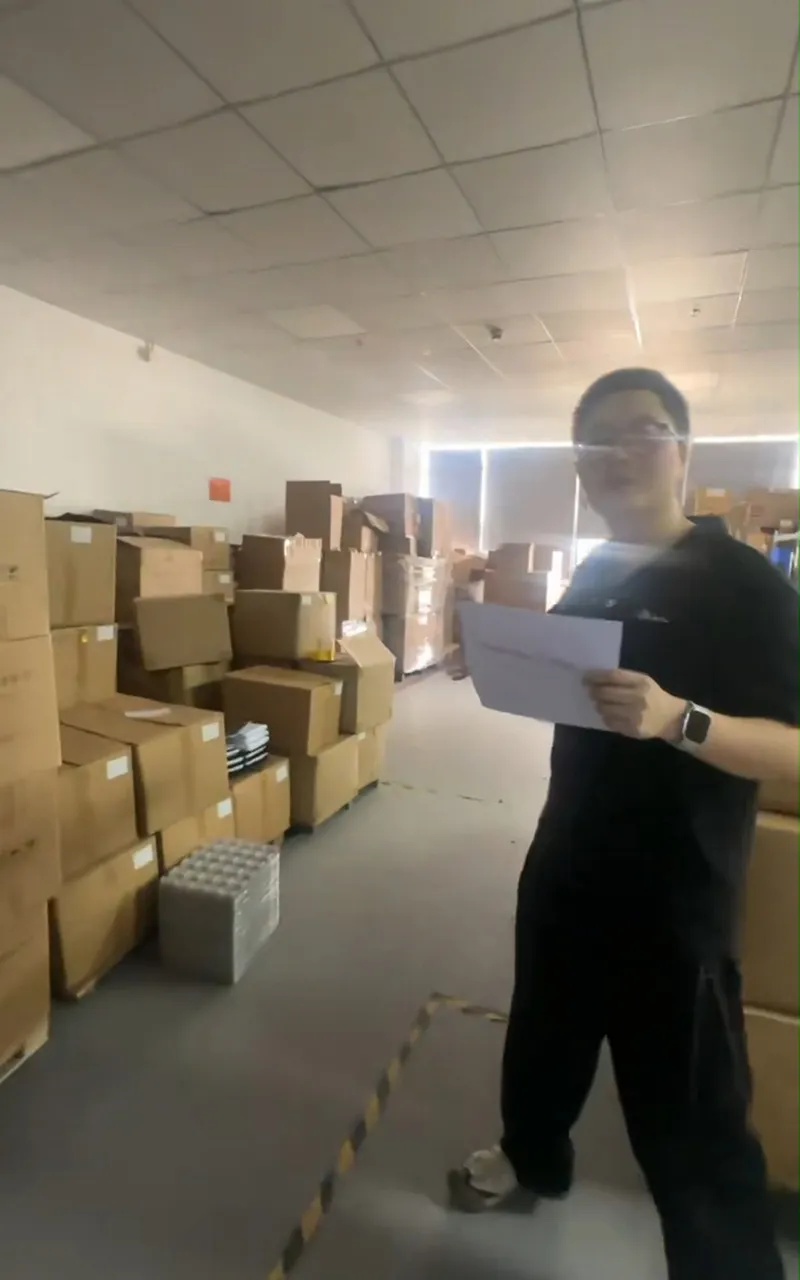
On-site quality inspection in Guangdong - catching defects before they ship saves far more than the inspection cost
Vietnam does have real advantages in specific sectors: footwear, furniture, textiles, and basic electronics assembly. But if you're importing anything with electronic components, complex parts, or specialty materials, the Vietnam dependency on Chinese inputs means your "China Plus One" strategy is more accurately described as "China Plus China-with-a-detour."
Additionally, industrial land in Vietnam's key manufacturing zones (Hanoi, Hai Phong, Ho Chi Minh City periphery) is becoming increasingly saturated and expensive. Factory leasing costs have risen significantly as global brands rushed to establish Vietnam operations in 2020-2024. The cost advantage that made Vietnam attractive five years ago is narrowing.
03 India: Real Potential, Slow Execution
India's manufacturing ramp-up is the most genuinely credible challenge to China's manufacturing dominance in the medium term. The Production Linked Incentive (PLI) schemes have attracted real investment from Apple, Samsung, and other major brands. India has 1.4 billion people, a growing domestic market, and political will to build manufacturing capacity.
But "medium term" is doing a lot of work in that sentence.
The practical challenges for most importers right now are significant:
- BIS certification requirements add 3-6 months to product timelines for electronics and many consumer goods categories
- Compliance overhead - Indian import regulations, documentation requirements, and bureaucratic processes require dedicated management bandwidth that most small-to-mid-size importers don't have
- Supply chain immaturity - for anything beyond basic assembly, Indian factories still depend on Chinese components. A factory in India making smartphones still sources display panels, chips, and cameras from China.
- Management intensity - working with Indian suppliers typically requires more hands-on oversight than Chinese suppliers, adding to operational costs
04 What "China Plus One" Actually Means in 2026 (It's Changed)
When "China Plus One" entered the supply chain vocabulary around 2019, it was mostly a geopolitical hedge - companies worried about trade war escalation looking for insurance. In 2026, the conversation has fundamentally shifted.
Today, "Plus One" has quietly become "Plus Many." US tariff uncertainty, Section 122 legal battles, the China-US trade framework agreement announced in May 2026, and the ongoing de minimis elimination for Chinese goods have together created an environment where importers feel they need multiple sourcing options just to manage risk.
The problem? Most buyers are discovering that the math of diversification is far more complicated than the headlines suggest.
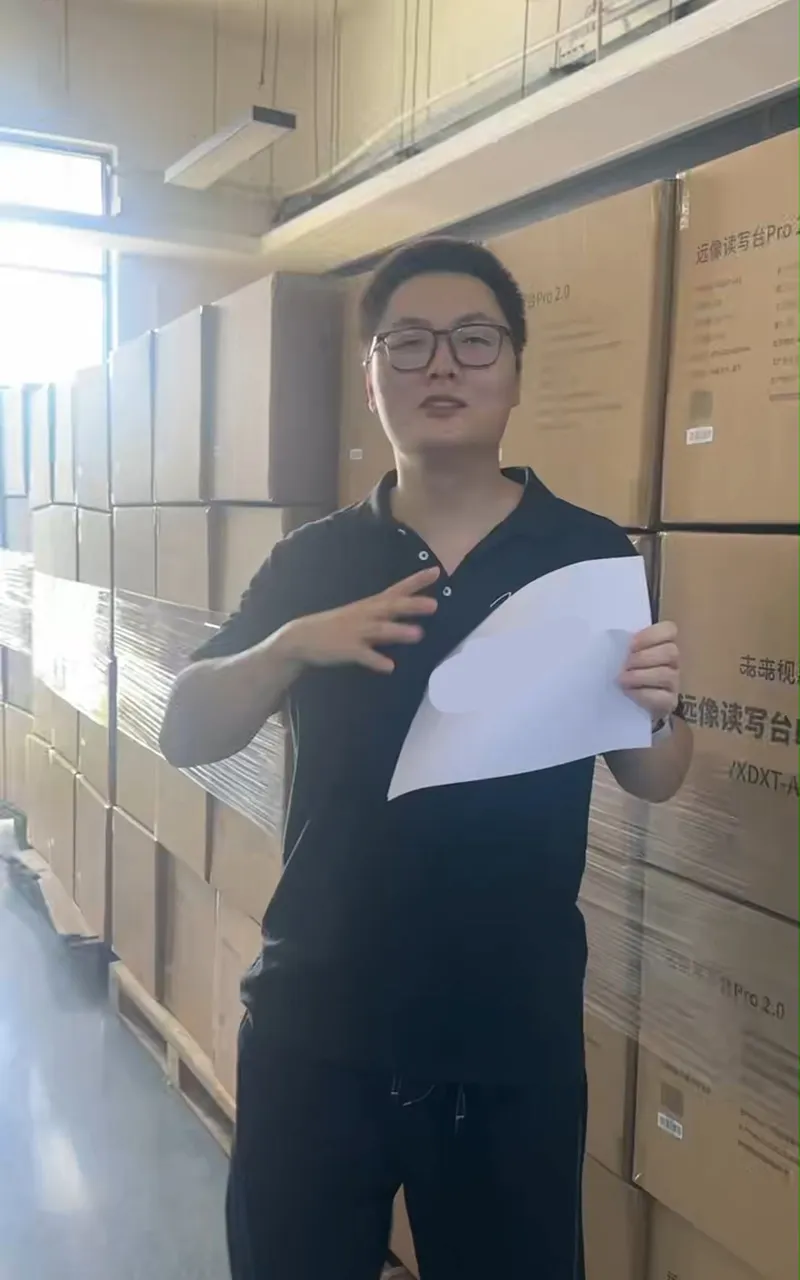
On the ground in Guangdong - inspecting goods before shipment ensures quality control that overseas sourcing can't match
The honest reality: for most importers, the countries being promoted as "China alternatives" aren't replacements at all - they're additions that add complexity without necessarily reducing costs.
05 The Real Cost of Leaving China: A Supplier's Honest Breakdown
I've helped buyers explore alternatives to Chinese factories. Here's what the actual cost comparison looks like for a typical mid-volume order (500-2,000 units):
| Factor | China (Guangdong) | Vietnam | India |
|---|---|---|---|
| Factory unit price (hardware product) | $4.20 | $5.80 | $5.40 |
| Minimum Order Quantity (MOQ) | 500 units | 2,000 units | 3,000 units |
| Sample lead time | 5-10 days | 15-25 days | 20-35 days |
| Production lead time | 15-25 days | 30-45 days | 40-60 days |
| Product variety / customization | Excellent | Limited | Moderate |
| US tariff rate (electronics) | 25-145% | 10-25% | 0-15% |
| Landed cost (US buyer, post-tariff) | Higher (tariff-sensitive) | Competitive | Moderate |
| Landed cost (EU/AU/UK buyer) | Most competitive | Similar | Less competitive |
The bottom line: For US buyers in heavily tariffed categories, the math may favor Vietnam for high-volume, simple products. For everyone else - especially EU, UK, Australia, Southeast Asia buyers - China remains the clear cost leader after all factors are counted.
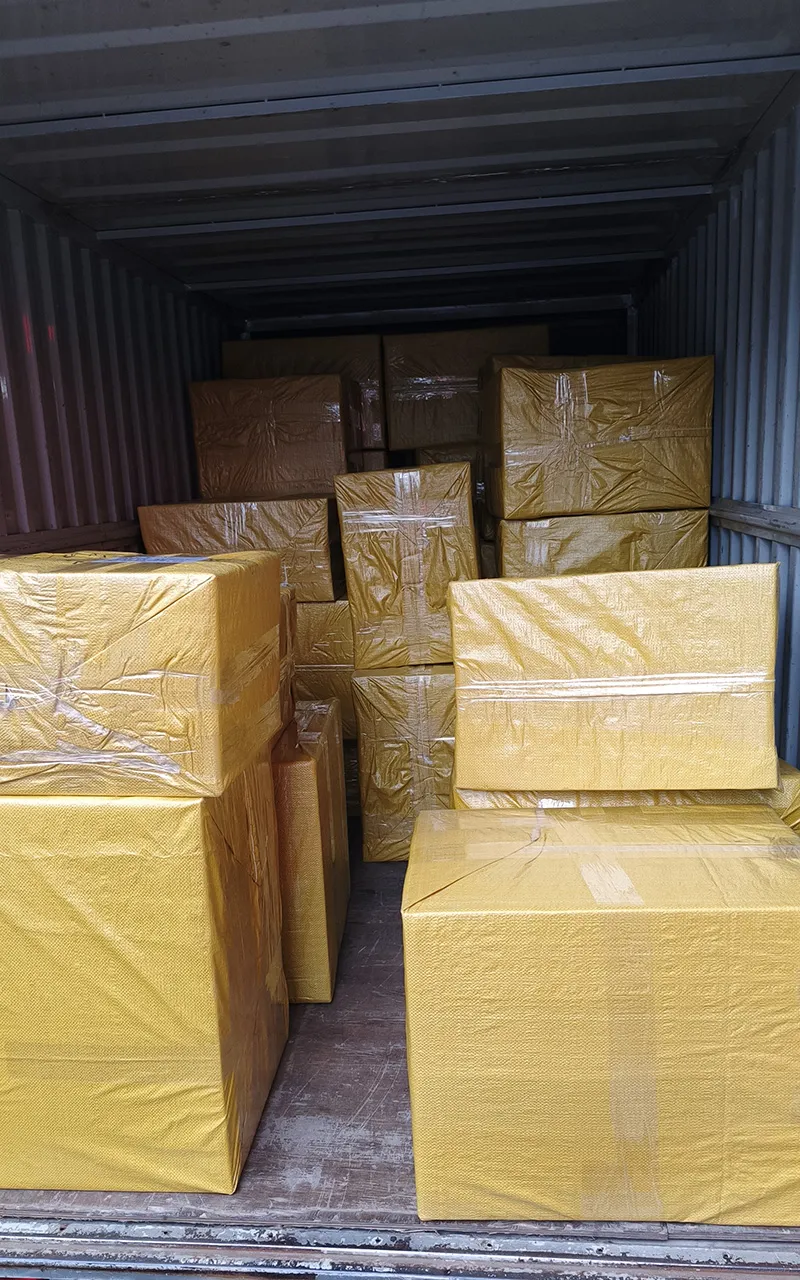
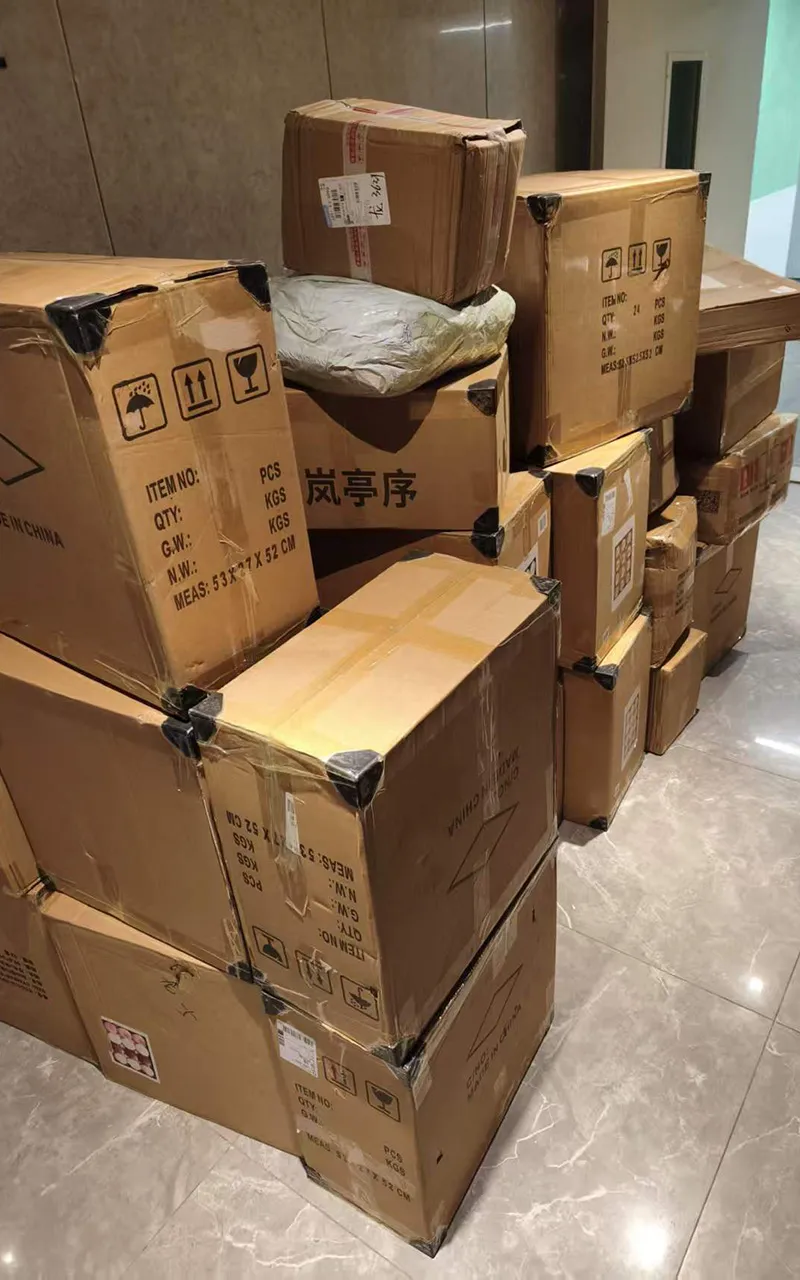
Real shipments we organized for clients - April 2026. China still delivers on speed and efficiency that's hard to match elsewhere.
06 What I'm Seeing at the Canton Fair in 2026
I attend the Canton Fair every session - it's the best single place in the world to read the pulse of Chinese manufacturing. Here's what stood out in April 2026:
- Factories are aggressive on pricing. With export uncertainty, many suppliers are offering their lowest quotes in years to lock in orders during the tariff pause window
- DDP and door-to-door services are booming. More Chinese factories now offer complete import solutions, absorbing some of the tariff cost or helping buyers classify products strategically
- OEM and private label demand is rising. Buyers who own their brand can switch sourcing countries more easily - factories know this and are competing harder for these accounts
- New categories are exploding: E-bikes, outdoor power equipment, AI accessories, portable solar products - all still manufactured in China with no credible alternative
07 Who Should Stay in China (And Who Should Diversify)
There's no universal answer. Here's how I break it down for my clients:
You should stay with China if:
- Your primary markets are EU, UK, Australia, Canada, Southeast Asia (tariff impact is low or zero)
- Your products require high customization, complex components, or tight tolerances
- You source multiple product categories from one country (China's breadth is unmatched)
- You're in the $5,000-$100,000 order range (too small to justify building parallel supply chains)
- You have existing relationships with verified factories (switching costs are real)
You should consider China+1 if:
- You're a US-based buyer with products in categories facing 50%+ tariffs
- You do $500,000+ annual volume in a single, standardized product
- Your product is a labor-intensive simple assembly (garments, simple packaging, basic hardware)
- You need geopolitical risk insurance for board/investor requirements
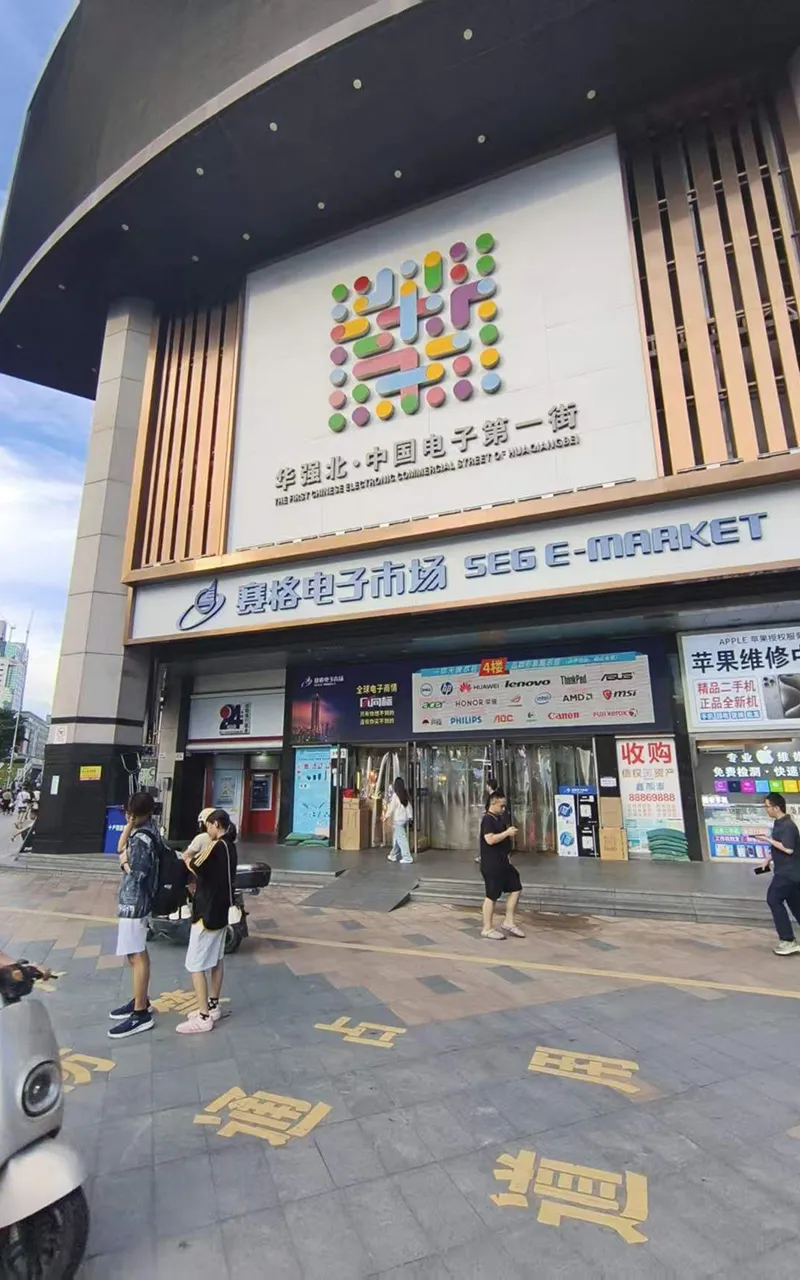
Karsa at Huaqiangbei, Shenzhen - the world's largest electronics components market. For electronics, there is simply no global alternative to this ecosystem.
08 How to Reduce Your Tariff Exposure Without Leaving China
If you're a US buyer who doesn't want to abandon Chinese factories, here are strategies that actually work in 2026:
-
HS Code Optimization
Work with a customs broker to ensure your products are classified under the correct HS codes. Many buyers are paying higher tariff rates than necessary due to incorrect classification. -
First Sale Valuation
If your goods are bought through a trading company, you may be able to use "first sale" valuation (factory price, not the trading company price) to calculate duties on a lower base. -
Tariff Exclusion Applications
The US USTR regularly opens exclusion windows for specific products. A good trade attorney can identify if your product qualifies. -
Bonded Warehouses & FTZ
Import into a Foreign Trade Zone and defer duty payment until the goods enter commerce - useful for managing cash flow. -
Work with a China-Based Agent
A trusted sourcing agent on the ground can help you negotiate lower factory prices that offset tariff costs, find alternative suppliers within China at different price points, and manage DDP or DAP shipments where the Chinese factory absorbs some logistics costs.
09 My Honest Recommendation
After sourcing from China since 2016, visiting hundreds of factories, and helping clients across 20+ countries - here's my unfiltered take:
China is not losing its manufacturing lead anytime soon. The infrastructure, supplier ecosystem, skilled workforce, and cost structure built over 40 years cannot be replicated in 3-5 years, regardless of political pressure.
The buyers who will win in 2026 and beyond are not the ones who panic and flee to Vietnam. They're the ones who:
- Yes Deepen relationships with verified, high-quality Chinese factories
- Yes Use the current tariff pause window to stock up and negotiate
- Yes Work with a trusted local sourcing agent who knows the market
- Yes Build a parallel supply chain only where it genuinely makes financial sense
- Yes Focus on total landed cost, not just tariff rates
If you're unsure what the right strategy is for your specific products and markets - let's talk. I've had this conversation with buyers from 23 countries, and the answer is always more nuanced than the headlines suggest.
 WhatsApp Us
Find Us on Social Media
Follow Karsa for sourcing tips, product updates, and factory insights from China.