
A US-based Amazon seller once told me he ordered 500 units of a "4G GPS tracker" from a Shenzhen supplier. The quote looked great. The samples arrived, powered on, showed a location on the bundled app. He committed to the full container. Three months later half his customers in the US couldn't get a signal - the modules were 2G, and the US networks that carried 2G were already gone. He ate the entire batch.
That story is why this guide exists. GPS tracker wholesale China sourcing is full of traps that only show up after you've paid. Below is the practical, numbers-backed version: what the types are, what factories actually charge in 2026, what certifications you legally need, and the mistakes that turn a "great deal" into a warehouse of dead plastic.
The 30-Second Answer
To wholesale GPS trackers from China without getting burned: pick the right type for your use case (vehicle, asset, pet, personal, or item/Bluetooth), insist on 4G LTE (not 2G/3G - those networks are being shut down), confirm the certifications for your destination market (FCC + FCC ID for the US, CE RED for the EU), and verify the factory is real before you wire a deposit. Real 2026 factory prices run roughly $4-9 for Bluetooth/item trackers, $11-35 for 4G vehicle/asset units, and $23-33 for pet GPS - at MOQs of 50-100 pieces. Always unbundle the quote (hardware, certification, platform, packaging) and never skip a sample + factory check.
01 The Main Types of GPS Trackers (and Which You Actually Need)
"GPS tracker" is a catch-all. The type decides the price, the battery, the certification, and whether it will even work where you sell.
For more on this, see where Shenzhen electronics really come from. You can browse the current range on our the main types of GPS trackers page.
- Vehicle trackers - hardwired (9-90V) or OBD plug-in. Used for fleet, car theft recovery, motorcycle. Often include remote engine cut-off and geofencing.
- Asset trackers - magnetic, rugged, long-battery (some 3000-10000mAh, 2-3 years standby). For containers, equipment, rental assets. IP65/IP67 waterproof.
- Pet trackers - collars or tags, usually 4G with a SIM. Lighter, smaller, often IP67. Price band $23-33 at factory.
- Personal / wearable - kids, elderly, lone workers. Pendants, watches, bracelets with SOS buttons.
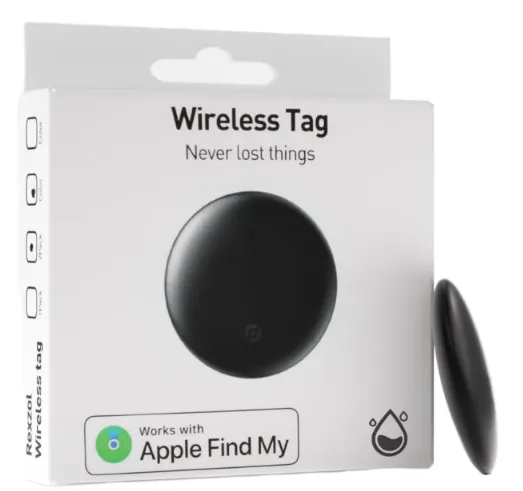
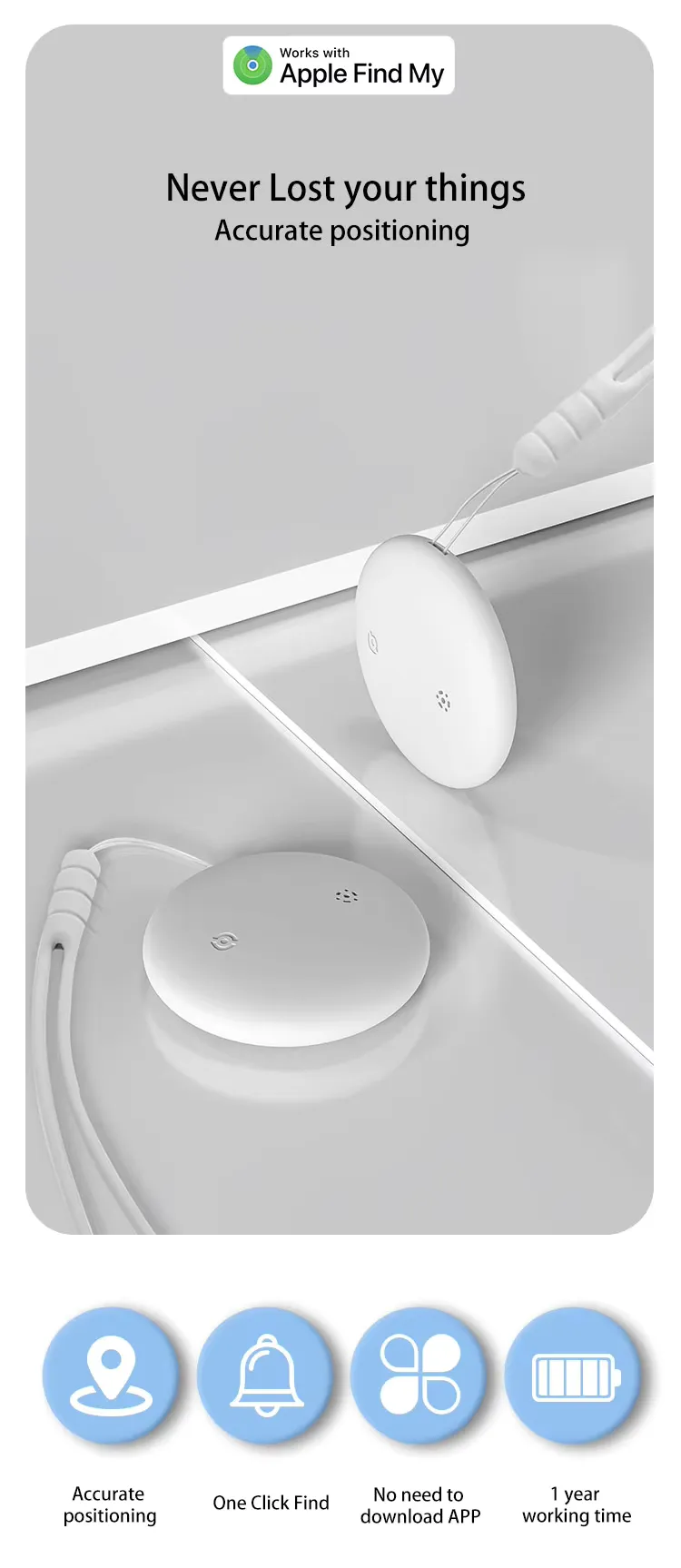
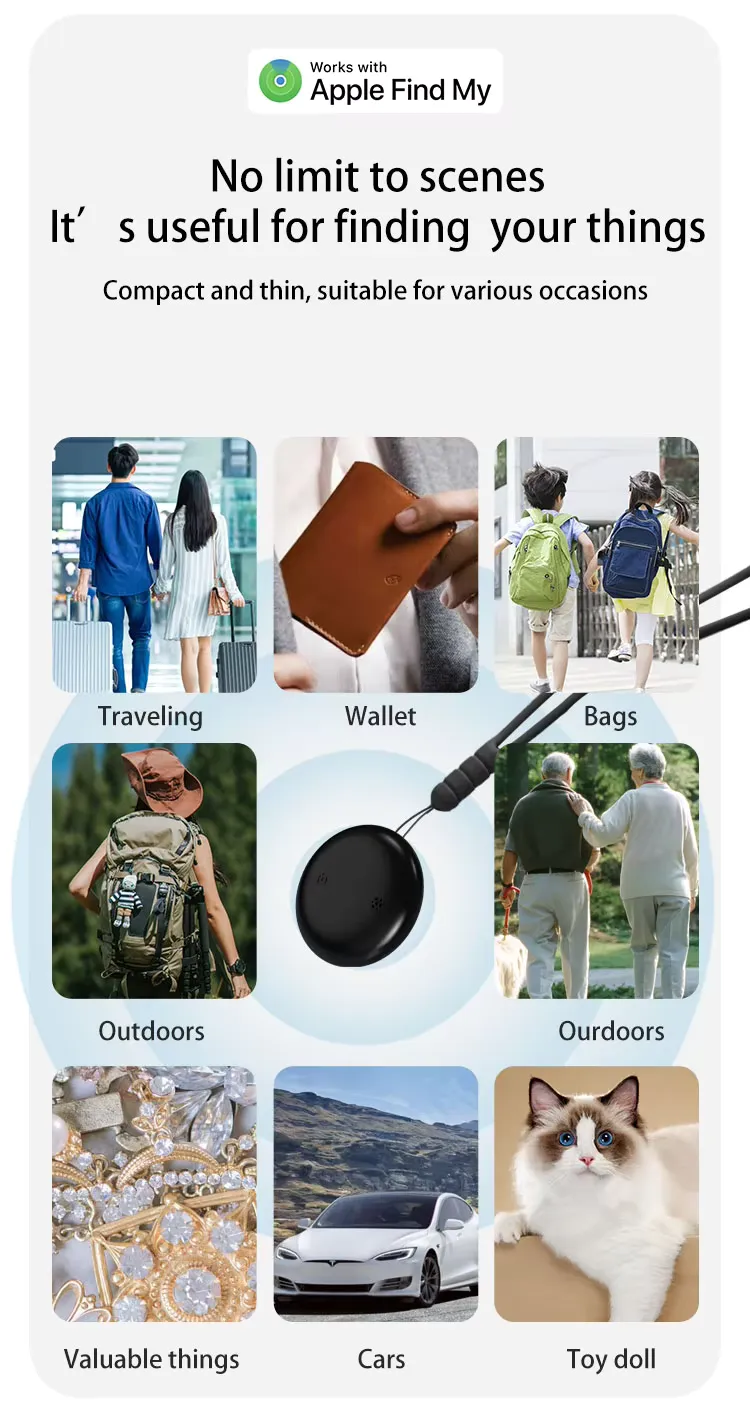
- Item / Bluetooth trackers - AirTag-style. Short Bluetooth range (~100m) that leverages a phone network (e.g. Find My) for long-range. Cheapest to make ($4-9).
- Dashcams / AI video - 4G dashcams with ADAS/DMS for commercial fleets. Higher ticket, higher complexity.
If you're reselling to general consumers, the item/Bluetooth and pet categories move fastest. If you serve fleets or logistics, vehicle and asset are your lanes.
Quick-Pick: Use Case -> Tracker Type
| You're selling to... | Start with... | Why |
|---|---|---|
| Amazon / eBay consumers (keys, bags, luggage) | Item / Bluetooth (AirTag-style) | Lowest cost, impulse buy, MOQ 100 |
| Pet owners | Pet GPS collar/tag (4G) | Recurring need, emotional purchase |
| Fleet / logistics companies | Vehicle + asset trackers | Highest ticket, contract potential |
| Elderly / lone-worker care | Personal wearable with SOS | Compliance-friendly, B2B angle |
| Your own brand (OEM) | Any type, logo from 500 pcs | Margin via branding |
Why Shenzhen (and not just any city)
Shenzhen sits inside a ~50km electronics supply chain: Quectel and u-blox for GNSS modules, Qualcomm and MediaTek for cellular modems, Bosch for sensors. That density is why a GPS tracker wholesale China order can go from prototype to container faster here than almost anywhere - and why most of the "manufacturers" you'll find online are actually resellers sitting in this same ecosystem, not the floor.
02 Real 2026 Factory Prices (From Live Listings, Not Guesswork)
I pulled these from live manufacturer and aggregator listings (Made-in-China, Coban, Topshine, Skywonder) in July 2026. Treat them as FOB Shenzhen reference ranges, not quotes:
| Type | Real FOB range (2026) | Typical MOQ | Notes |
|---|---|---|---|
| Item / Bluetooth (AirTag-style) | $4 - $9 / unit | 100 | Our smart tag sits at $4-5; Find My-compatible |
| 2G basic vehicle | $1 - $19 / unit | 10-100 | Avoid for US/EU - networks gone |
| 4G vehicle / asset | $11 - $35 / unit | 50-100 | Mainstream choice |
| Pet GPS (4G) | $23 - $33 / unit | 10-100 | IP67 common |
| Personal / wearable (4G) | $17 - $80 / unit | 10-50 | Watch form factor costs more |
| AI dashcam | $26 - $60+ / unit | 20-50 | Higher complexity |
Volume changes everything. One Shenzhen maker (Topshine) lists its 4G MT06 at $35 for a single unit but $13 at 1,000+ - a 60% drop. That's the real game: the per-unit number a factory quotes you at MOQ 100 is not the number you get at MOQ 1,000. Always ask for the tiered schedule in writing.
Youna's own GPS Tracker Smart Tag (AirTag alternative) runs $4.00-$5.00/unit at MOQ 100, FOB Shenzhen - a concrete anchor if you want a low-MOQ entry point. See the GPS Tracker Smart Tag product page for full specs.
Why the price spread is so wide
Three things drive the number. The cellular module is first: a 4G Cat M1 module costs far more than a 2G one, so a "4G tracker" and a "2G tracker" at the same price are not the same device. The certification burden is second - FCC/CE testing runs into real money that gets amortized into volume orders, which is why small batches cost more per unit. Features are third: remote engine cut-off, AI dashcam, multi-constellation GNSS all add to the BOM. When two quotes for "the same 4G tracker" differ by 40%, check the module model before you compare prices - they are almost never the same hardware.
03 MOQ Norms & How Volume Tiers Work
- Standard MOQ: 50-100 pieces for most factories. Our smart tag is 100 pcs.
- Sample orders: many suppliers accept 10-20 pcs (sometimes at a higher unit price). Use this to test before committing.
- Custom branding MOQ: logo printing usually starts at 500 pcs; custom packaging adds more.
- Tier discipline: get the full price ladder (e.g. 100 / 500 / 1,000 / 5,000) in the quote. A factory that won't show tiers is hiding something.
If you're testing a new market, start at MOQ and scale only after the product proves out. Our MOQ negotiation guide covers how to push that first order lower.
One number most first-time buyers forget: the FOB quote is not what you pay. Freight, insurance, customs duty, last-mile trucking, and - often missed - product liability insurance all stack on top, and for a small electronics item the factory price is typically 60% or less of your true landed cost. A container of GPS trackers is no exception. We break the full cost stack down in our hidden costs of importing guide, and every line there applies to a Shenzhen GPS tracker order exactly as it does to any other product.
04 The Certification Maze (by Destination Market)
This is where most first-time importers stall. You can't just ship; the device must be legally marketable.
- United States - FCC + FCC ID. The FCC ID is the big one: it's the government filing proving the radio complies. For cellular trackers used on carrier networks, PTCRB certification (AT&T/T-Mobile/Verizon) is often required by the carrier. Without FCC ID, US customs and Amazon will block you. See the FCC official site.
- European Union - CE RED (Radio Equipment Directive). Plus RoHS and REACH (hazardous-substance restrictions) almost everywhere. See the EU CE marking guidance.
- Canada - IC (Industry Canada) certification.
- Brazil - ANATEL. Often overlooked; many "global" trackers aren't ANATEL-approved.
- Factory quality - ISO 9001 is a baseline signal, not a product cert.
Rule of thumb: ask the supplier for the actual cert files (PDFs with certificate numbers), not a screenshot. A real FCC ID can be looked up. A fuzzy "we are certified" claim cannot.
Certification Requirements at a Glance
| Market | Must-have marks | Watch-outs |
|---|---|---|
| United States | FCC ID (radio), PTCRB for carrier cellular | Cloned IMEI = blocked; Amazon requires FCC |
| European Union | CE RED, RoHS, REACH | 2G/3G sunset rolling out country by country |
| Canada | IC (Industry Canada) | Similar framework to FCC |
| Brazil | ANATEL | Often missing on "global" trackers |
| Australia | RCM | Smaller market, still mandatory |
Get the PDFs, not screenshots. A certificate number that can't be verified is not a certificate - and your retailer or platform will verify it before you ever ship.
05 The 2G / 3G Shutdown Warning (Read This Before You Order)
The single most expensive mistake in GPS sourcing right now is buying a 2G or 3G device for a market that no longer supports those networks.
- In the US, AT&T and Verizon discontinued 2G and 3G years ago; T-Mobile's legacy 2G/3G is being wound down. A "GSM tracker" spec often means 2G - and it will not register on US towers.
- In the EU, 2G/3G sunset is rolling out country by country, with full phase-out planned this decade.
- What to specify instead: 4G LTE, ideally Cat M1 / NB-IoT for the US (these are the bands carriers keep alive for IoT). At minimum, confirm the module supports the LTE bands of your target country.
When a supplier says "4G," verify the module model (Quectel, u-blox, SIMCom are common) and the bands. "4G" printed on a listing is not the same as "4G bands that work where you sell."
Want this done for your own order?
Send one WhatsApp message with the product you are sourcing. Karsa replies with price range, MOQ, and a realistic timeline - no obligation, no hidden fees.
Message Karsa on WhatsApp06 Spec Checklist Before You Order
Print this and send it to every supplier:
- Network - which 4G bands? For the US, insist on Cat M1 / NB-IoT; these are the IoT bands carriers keep alive. A tracker that only does European LTE bands is a paperweight in Ohio.
- Positioning - GPS alone, or multi-constellation? GPS + GLONASS + BeiDou locks faster and holds signal in cities and under foliage. Single-GPS units drift and drop.
- Battery - real mAh and standby, not "up to." A 5000mAh asset tracker may claim "3-year standby" in a lab; ask for the test condition. Pet and personal units trade battery for size.
- Ingress protection - IP65/IP67 for anything outdoors. Asset and pet trackers live in rain, dust, and vibration. IP67 means brief immersion; IP65 means water jets. Indoor-only item trackers can skip this.
- Platform & fees - free for life, or subscription? This is the quiet margin killer. A $15 tracker that needs $5/month per device flips your unit economics. Get it in writing before you commit.
- App language & data residency. English app for Western customers; ask where the server sits (GDPR and privacy exposure if it's an unknown overseas host).
- IMEI - legal and unique. Cloned IMEIs get blocked by carriers and can pull your whole shipment. Ask for the IMEI range allocation proof.
- Warranty - 1-2 years is the norm for reputable makers. Anything shorter is a quality signal in itself.
07 The Find My / MFi Licensing Note (Honest Version)
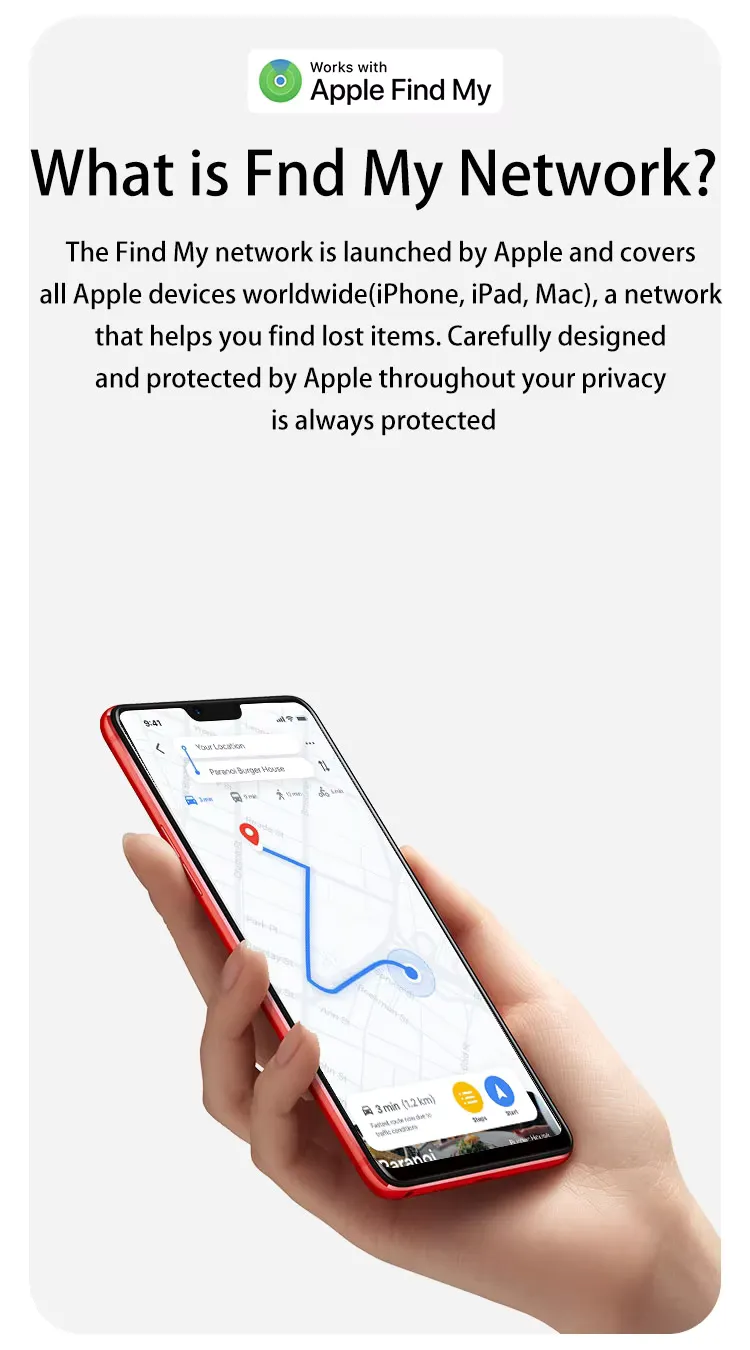
A lot of "AirTag alternative" trackers are marketed as "Find My compatible." Here's the nuance most guides skip: genuine access to Apple's Find My network requires the Apple MFi Find My license. Unlicensed clones that claim compatibility may not actually work with the real network and carry takedown risk on Amazon and Apple's ecosystem.
If you plan to market a tracker as "Find My," confirm your supplier holds the MFi Find My license and can show it. If they can't, position it as a Bluetooth item-finder on its own app instead - safer and still sellable.
08 How to Find and Verify a Real Factory
Shenzhen is the global hub - the supply chain (Quectel/u-blox modules, Qualcomm/MediaTek modems, Bosch sensors) sits within ~50km. But "factory" listings on B2B platforms are often trading companies. Before any deposit:
- Run the 8-step factory verification checklist - business license, facility, production line, QC, references.
- Learn to spot the trading-company-vs-manufacturer tells in five minutes.
A real factory will show you the SMT line, the testing jig for GPS cold-start, and the waterproof test - not just a catalog.
What to actually ask on a factory video call
Keep it simple and specific: (1) "Can you show me the SMT line right now?" (2) "Where is the GPS cold-start test jig?" (3) "Pull up the FCC/CE certificate PDF." (4) "Which module is in this 4G unit - what bands?" If they deflect or only show a conference-room catalog, you're likely talking to a trading desk, not the floor. The five-minute tells from our trading-vs-manufacturer guide apply word-for-word here, because a GPS tracker is just another Shenzhen electronics product with the same factory/trader split.
09 Red Flags & Scams
- Price far below the table in Section 2 -> usually 2G hardware or a clone with cloned IMEIs.
- "We are certified" with no PDF cert file -> walk away.
- Refuses a video call of the production floor -> likely a trading desk.
- Demands 100% prepayment on a first order -> standard red flag (see our avoid-scams guide).
- Vague on network bands when you ask "which 4G bands?" -> they don't know, which means they don't build to spec.
The most common first-order mistakes
Paying 100% upfront to a stranger. Trusting a screenshot instead of a verifiable cert number. Assuming "4G" means "works in my country." Skipping the sample because the price is too good. Ordering 2G hardware for a market that already shut 2G down. Every one of these is avoidable, and every one of them is covered in the sections above - this guide is built so you can't miss them. If you only remember one line: verify the module model and the cert PDF before you pay, not after.
10 OEM, ODM & Packaging
Want your own brand on it? Standard terms from Shenzhen makers:
If you would rather have this handled, our OEM, ODM and packaging for Amazon option covers it end to end.
- Logo: silk-screen, UV, or laser engraving. MOQ for custom logo typically 500 pcs.
- Packaging: custom retail box available; confirm at what MOQ and cost.
- Firmware/app: some offer white-label apps; others expect you to use their platform.
- ODM: full custom (new shell, new features) needs volume and a real engineering engagement.
For a low-MOQ private-label entry, the GPS Tracker Smart Tag supports custom logo from 500 pcs - a clean way to test a branded SKU without a full ODM project.
11 Two Stories From the Floor
The 2G brick batch. Covered at the top - a reseller lost a 500-unit order to 2G hardware. The fix was simple in hindsight: he should have asked for the module model and confirmed US LTE bands before paying. Spec sheet > sales pitch.
The unbundled win. An Amazon seller compared two quotes for the same 4G pet tracker: Supplier A at $29 "all-in," Supplier B at $24 hardware + $3 cert + $2 platform. Supplier B was cheaper and transparent. She negotiated the cert down by providing her own ANATEL paperwork. Net save ~30% versus Supplier A, with certs she actually controlled. Unbundling the quote is a core factory-direct tactic - it works here exactly as it does everywhere in sourcing.
The cert that wasn't. A dropshipper listed a "CE + FCC" pet tracker and moved three containers in before a US retailer's compliance check flagged a fake FCC ID. The supplier had shown a screenshot, not a verifiable number. The retailer pulled the listing; the inventory sat. The fix was the one we repeat throughout this guide: a PDF certificate you can look up beats a screenshot every time. It's the difference between a product you can legally sell and a pallet you can't.
12 New Buyer vs Repeat Buyer
| Lever | First-time buyer | Repeat / volume buyer |
|---|---|---|
| MOQ | Pay the listed 100 pcs | Negotiate down or get better tier |
| Price | Listed FOB | Tiered (ask for 1k/5k schedule) |
| Certs | Supplier provides | You may supply your own (save cost) |
| Trust | Full sample + factory check | Faster re-orders, less hand-holding |
| Payment | 30/70 T/T typical | OA possible after clean history |
First-timers should spend the extra effort on verification; repeat buyers should spend it on tier negotiation.
13 Frequently Asked Questions
What is a realistic MOQ for GPS trackers from China?
50-100 pieces is the norm; sample orders of 10-20 are often possible. Custom branding starts around 500 pcs.
Which certifications do I need to sell in the US?
FCC with a valid FCC ID is mandatory; for cellular models sold through carriers, PTCRB is usually required. RoHS/REACH apply broadly.
Is 2G or 3G OK if it's cheaper?
No - not for the US or most of the EU. Those networks are being shut down. Specify 4G LTE (Cat M1/NB-IoT for the US) and confirm the bands.
Can I put my own logo on a tracker?
Yes, typically from MOQ 500 pcs via silk-screen, UV, or laser. Custom retail packaging is also available.
How do I make sure the factory is real?
Run the 8-step verification (license, facility, line, QC, references) and learn the trading-vs-manufacturer tells. Never skip the sample + factory check on a first order.
14 Ready to Source?
If you'd rather have someone who walks these Shenzhen floors weekly handle verification, pricing, and QC, that's exactly what our sourcing services do. Or start with a concrete SKU - the GPS Tracker Smart Tag is in stock at MOQ 100, $4-5/unit, FOB Shenzhen.
Browse the full range in our Consumer Electronics category, or message us on WhatsApp for a tailored quote on the type and volume you need.
Prices cited are FOB Shenzhen reference ranges compiled from live manufacturer and aggregator listings (Made-in-China, Coban, Topshine, Skywonder) as of July 2026, plus Youna's own published smart-tag pricing. Actual pricing depends on specification, quantity, and market conditions - request a formal quotation before ordering. Always confirm current network and certification status for your target market.