
01 The Short Answer (Don't Make You Scroll)
Key Takeaway
- Most China sourcing agents charge $300 – $2,000 per project or 3% – 10% of the order value.
- Small orders (under $2,000) typically use fixed fees. Large orders ($10,000+) lean toward commissions.
- The average first-time importer pays around $500 – $800 in agent fees for a mixed-product order from 3-5 suppliers.
- But the real question isn't "how much" - it's "does the agent save you more than they cost?" (Spoiler: usually yes, by a lot.)
| Order Type | Typical Agent Fee | Best Fee Model | Example |
|---|---|---|---|
| Small trial order ($500 – $2,000) | $150 – $400 | Fixed per-project | Sampling 3 products from 2 suppliers |
| Medium mixed order ($2,000 – $8,000) | $300 – $800 | Fixed or hybrid | 6 suppliers, 8 product types (our Mexico case) |
| Large single-product order ($8,000 – $30,000) | 3% – 5% of order | Commission-based | One factory, 5,000 units |
| Ongoing monthly orders ($5,000+/mo) | 2% – 3% or retainer | Hybrid (retainer + low %) | Amazon FBA restocking every 45 days |
But here's what most articles won't tell you: the agent's fee is rarely the largest cost of using an agent. The real value (or waste) comes from whether the agent can negotiate better factory prices, avoid quality disasters, and consolidate multi-supplier shipments efficiently. More on that below.
02 How Sourcing Agents Actually Charge: 3 Fee Models
Almost every agent fits into one of three models. Each has trade-offs, and the "best" one depends on your order profile.
Model 1 Commission-Based (Percentage of Order Value)
The agent takes a percentage of the total product value — typically 3% to 10%, with 5% being the most common. On a $10,000 order at 5%, you pay $500. Simple math, no surprises — but the agent's incentive is aligned with higher order values, which may not always be in your interest.
Best for
- Large single-factory orders
- Repeat buyers with predictable volumes
- When trust is already established
Watch out for
- Agent may push higher-priced suppliers
- No incentive to negotiate aggressively
- Hard to budget if order values fluctuate
Model 2 Fixed Project Fee (Per Product or Per Order)
The agent charges a flat fee regardless of order size. Typical ranges: $150 – $500 per product SKU, or $300 – $2,000 for an entire project covering multiple suppliers. This is the most transparent model — you know your cost upfront. It also aligns incentives: the agent isn't motivated to inflate your order.
Best for
- First-time importers testing the waters
- Multi-supplier, multi-product orders
- Buyers who want price certainty upfront
Watch out for
- Cheap agents may cut corners (less vetting)
- Scope creep can trigger extra charges
- Not ideal for tiny single-product orders
Model 3 Hybrid (Monthly Retainer + Lower Commission)
A monthly retainer of $300 – $1,000 plus a reduced commission of 2% – 3%. Think of it as a subscription to having someone on the ground in China. This model suits businesses that import monthly and need someone constantly managing factory relationships, reorders, and quality checks.
Best for
- Amazon FBA sellers with monthly reorders
- Brands running ongoing OEM production
- Businesses importing $30,000+/year
Watch out for
- Minimum commitment periods (3-6 months)
- Retainer paid regardless of order volume
- Overkill for one-off or seasonal buyers
03 A Real Example: Mexico Client's $3,800 Order
Let me walk you through a real order we handled — not a hypothetical, not a "typical scenario." This is one client, one shipment, real numbers.
Sourced From
(Factory Price)
Local Wholesale
The client: A first-time importer from Mexico, sourcing a mixed batch of consumer goods for retail. Products included toys, gift sets, pet apparel, pet leashes, throw pillows, ceramic mugs, and custom-printed mugs — eight product types across six different factories.
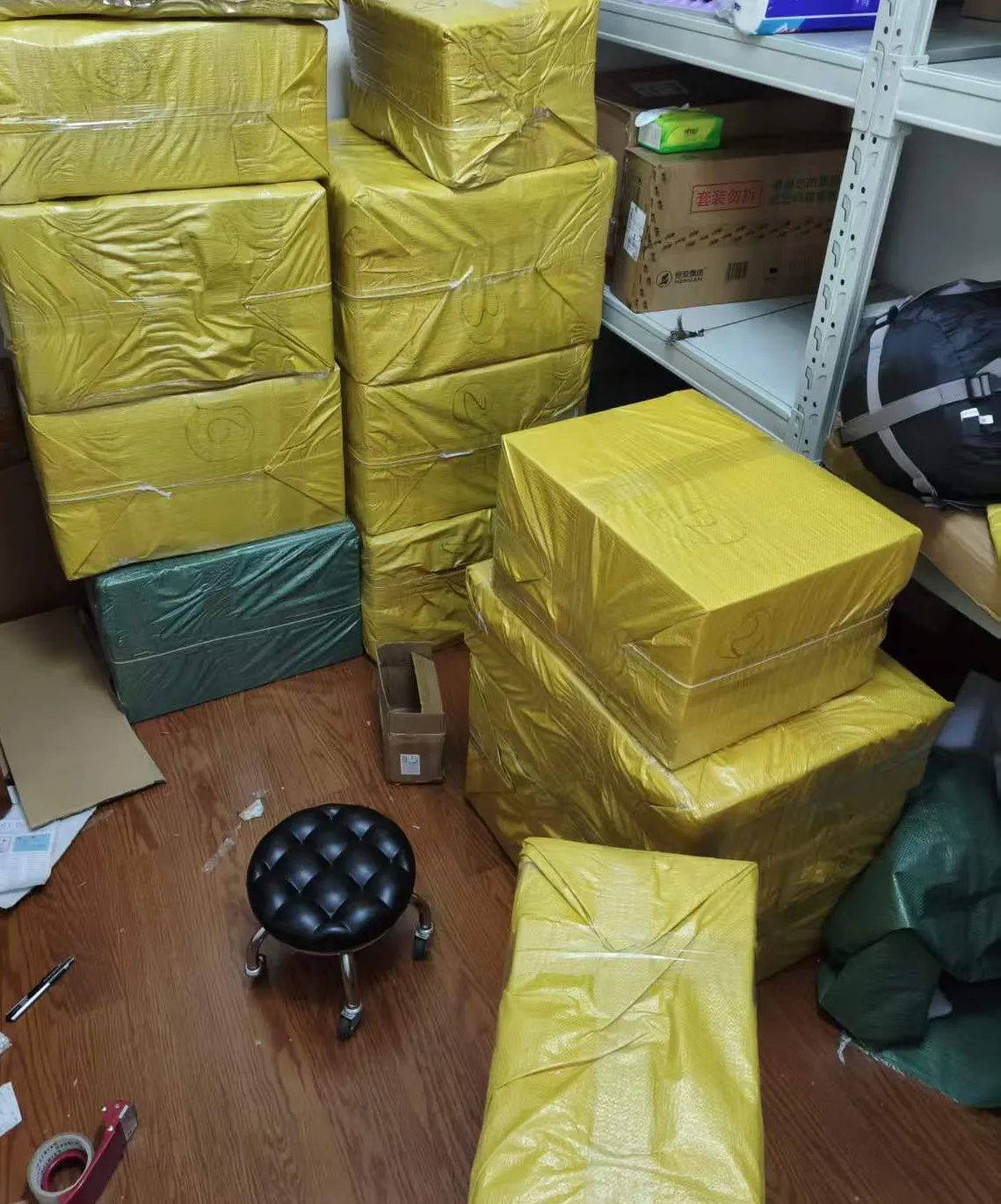
Sorting through a multi-supplier order at our Guangdong warehouse. Six factories, eight product types — one consolidated shipment.
The Real Cost Breakdown
| Cost Item | Amount | Notes |
|---|---|---|
| Product cost (6 suppliers) | $2,450 | Negotiated factory prices, consolidated |
| Youna Global service fee | $150 | Fixed project fee for multi-supplier order |
| Inspection / QC | $0 | Included in service fee for this order size |
| International shipping | $1,200 | Sea freight, consolidated from 6 factories |
| Customs / duties / misc | $0 | Client handled on their end |
| Total Client Paid | $3,800 | Door-to-port, all-in |
The Comparison
- Same products from local Mexican wholesalers: ~$7,000
- What the client actually paid through Youna Global: $3,800
- Net savings: $3,200 (46%) — including the agent fee and shipping
Notice something: the service fee was only $150 — just 4% of the total order cost and roughly 6% of the product cost. The real savings didn't come from a cheap agent fee. They came from:
- Direct factory pricing instead of middleman markups (the biggest lever)
- Consolidated shipping from six factories into one container (vs. six separate shipments)
- No inspection surprises — because we checked everything before it left China
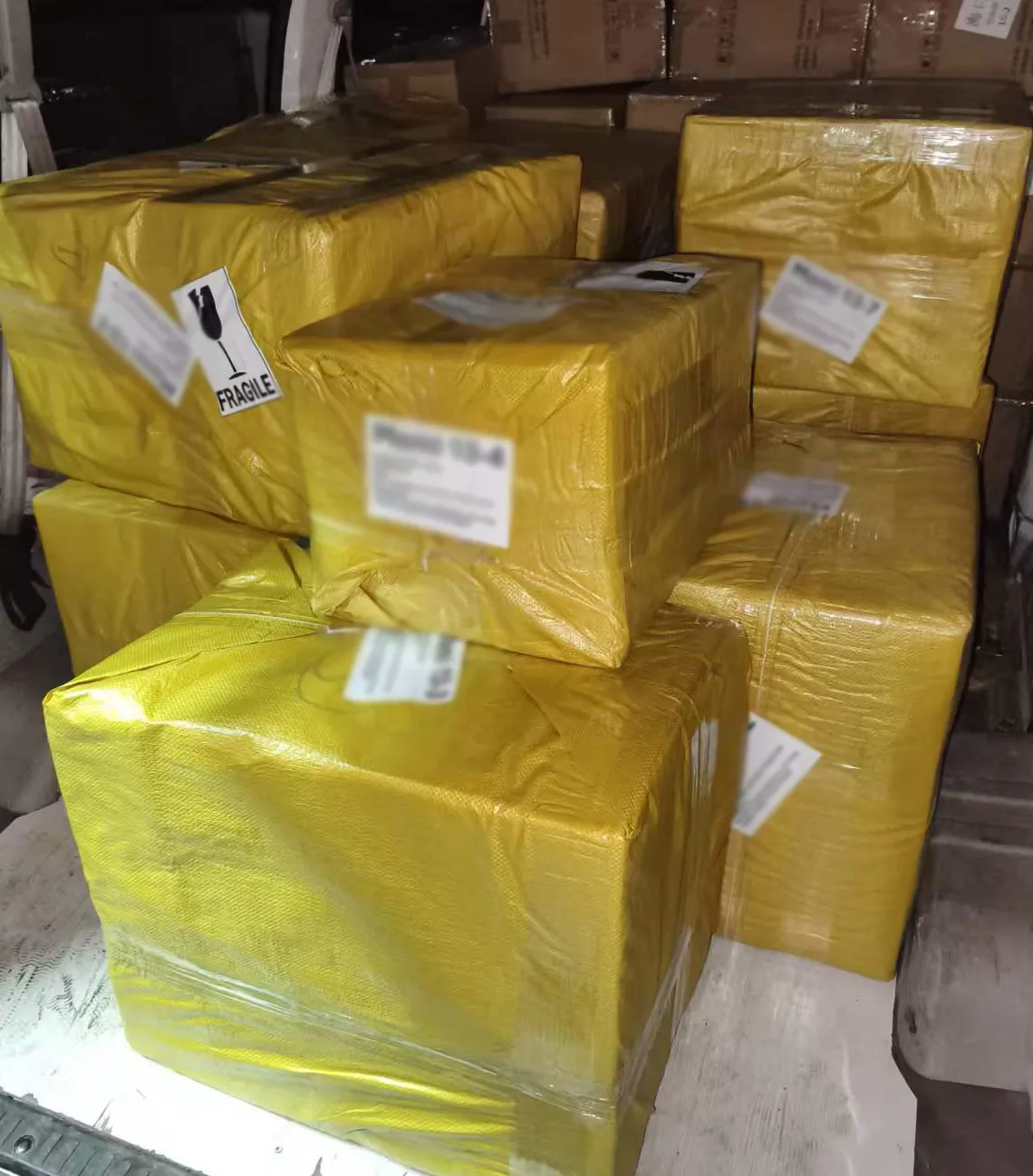
Goods sorted, labeled, and ready to ship. One consolidated pallet instead of six separate shipments.
The bottom line: This client's $150 agent fee unlocked ~$3,200 in savings. That's a 21x return on the fee. Not every order will have that kind of math, but it illustrates why "how much does the agent charge?" is the wrong question. The right question is "how much can the agent save me?"
04 What Affects the Cost? 5 Factors
Agent fees aren't one-size-fits-all. Here's what drives the price up or down:
1. Order Size (The Biggest Factor)
A $2,000 order and a $20,000 order might require the same amount of agent work (vetting suppliers, negotiating, QC). That's why small orders lean toward fixed fees and large orders toward commission — it keeps pricing fair for both sides.
2. Product Complexity
Sourcing custom electronics with certifications (CE, FCC, RoHS) takes 3-5x more work than off-the-shelf plush toys. Complex products mean more supplier vetting, longer sampling cycles, and higher QC requirements.
3. Customization Level (OEM vs. Off-the-Shelf)
Custom OEM (your logo, your packaging, your specs) adds layers: mold creation, sample iterations, packaging design coordination. Expect 20-50% higher agent fees for fully customized vs. stock products.
4. Number of Suppliers
Our Mexico client used 6 suppliers. Each one required separate vetting, negotiation, sample management, and quality inspection. More suppliers = more agent hours = higher fees. But splitting across suppliers often saves more on product cost than the extra agent fee.
5. QC Requirements
Basic visual inspection is usually included. But third-party lab testing (safety, material composition, durability), factory audits, or in-line production monitoring all cost extra — typically $200 – $800 per inspection depending on scope.
06 Sourcing Agent vs. Alibaba vs. DIY: The Real Cost Comparison
Some buyers wonder: "Why pay an agent when I can just buy on Alibaba myself?" Fair question. Let's compare three approaches for the same order profile — a $3,000 mixed-product order from 4 suppliers.
| Sourcing Agent | Alibaba Direct | DIY (Factory Visit) | |
|---|---|---|---|
| Product cost | $2,800 (negotiated) | $3,200 (listed prices) | $3,000 (some negotiation) |
| Agent / platform fee | $300 – $500 | $0 | $0 |
| Supplier vetting | Included (verified) | DIY (risk of scams) | $1,500+ flight + hotel |
| QC / inspection | Included (on-site) | None (or $300 third-party) | Your own time |
| Shipping consolidation | Included | DIY (4 separate shipments) | DIY |
| Negotiation skill | Professional (Mandarin, local) | Limited (chat translation) | Variable |
| Dispute resolution | Agent handles it | Trade Assurance (slow) | You're on your own |
| True total cost | ~$3,100 – $3,300 | $3,200 – $4,500+ | $4,500 – $6,000+ |
| Risk level | Low | Medium-High | High (time + travel) |
The "Alibaba is free" argument falls apart when you factor in the risks: overpaying at listed prices, receiving defective goods with no recourse, and paying four separate shipping fees. For orders over $2,000 – $3,000, an agent almost always pays for themselves through better pricing alone.
The Break-Even Threshold
- If you're importing under $1,000 from one supplier — DIY on Alibaba is probably fine.
- If you're importing $2,000 – $5,000 from 3+ suppliers — an agent will likely save you more than their fee.
- If you're importing $10,000+ regularly — not using an agent is leaving thousands on the table.
07 Is a Sourcing Agent Worth the Cost? (Honest Answer: It Depends)
I run a sourcing agency, so you'd expect me to say "yes, always." I won't do that. Here's an honest breakdown.
When an Agent Saves You MORE Than They Cost
Multi-supplier orders
Coordinating 4+ factories yourself is a logistics nightmare. An agent consolidates everything.
Custom / OEM products
Mold coordination, sample iterations, packaging design — too many moving parts for remote management.
First-time importer
The learning curve is steep and expensive. One bad supplier can cost you way more than an agent's fee.
High-risk categories
Electronics, baby products, anything requiring certifications — the cost of a recall dwarfs the agent fee.
Before you settle on an agent, DIY, or going straight to a factory, one upstream question usually decides it: trading company or manufacturer guide - most importers are really choosing between those two, and the answer changes which route actually saves you money.
When You Should Probably Go DIY
Single SKU, single supplier
If you're buying one product from one factory and have done it before, an agent adds less value.
Very small orders (<$500)
The agent's minimum fee may be 30-50% of your order — the math doesn't work at this scale.
You speak Mandarin and visit China regularly
If you have boots on the ground and language skills, you can do much of what an agent does.
The 5-Question Self-Test
Ask yourself:
1. Am I sourcing from 3+ different factories?
2. Is my total order value over $2,000?
3. Do any products require customization or certifications?
4. Is this my first time importing from China?
5. Can I afford to lose my entire order to a bad supplier?
If you answered "yes" to 3+ of these, a sourcing agent is worth it.
08 How We Charge at Youna Global (Transparent Breakdown)
Since I've been critical of agents who hide their pricing, let me show you ours.
| Service | Our Fee | What's Included |
|---|---|---|
| Supplier sourcing + vetting | $100 – $300 per product | Factory verification, price negotiation, sample coordination |
| Multi-supplier project (3-8 factories) | $300 – $800 flat | End-to-end: sourcing, negotiation, QC, consolidation, shipping coordination |
| Ongoing monthly retainer | $400 – $800/month | Unlimited sourcing + QC for regular importers (3-month minimum) |
| Basic QC inspection | Included | Visual, quantity, packaging check before shipment |
| Advanced QC (lab testing) | $200 – $800 | Third-party safety/compliance testing, passed through at cost |
A few things we don't do:
- We don't mark up factory prices — you see the factory invoice.
- We don't take kickbacks from suppliers — our only income is your service fee.
- We don't lock you into long contracts — one-time projects are welcome.
- We don't promise "the absolute lowest price" — that's marketing nonsense. We promise fair pricing from verified factories, with no surprises.
Tell us what you're looking for and we'll give you a transparent cost breakdown — no vague percentages, no "contact us for pricing."
09 5 Questions to Ask Before Hiring Any Sourcing Agent
Not all agents are equal. Here's a checklist to separate the pros from the pretenders:
1 "Do you mark up factory prices, or do I see the original invoice?"
Green flag: "You see every factory invoice. Our fee is separate and transparent."
Red flag: "We handle all pricing internally" or vague answers. This means they're likely adding hidden margin on the product cost.
2 "Can I talk to your past clients, or see verified reviews?"
Green flag: They offer references, video testimonials, or case studies with real numbers.
Red flag: "Client confidentiality" as an excuse for zero verifiable track record. Every legit agent has happy clients willing to vouch.
3 "What happens if the goods arrive damaged or defective?"
Green flag: Clear process: QC photos before shipping, who pays for rework, refund policy.
Red flag: "That never happens" or shifting all liability to the factory. Things go wrong in sourcing; the question is whether the agent has your back when they do.
4 "How do you verify a factory is legitimate?"
Green flag: They mention business license checks, on-site visits, production line photos, and reference checks with other buyers.
Red flag: "We have trusted relationships" without describing any actual verification process. Trust but verify.
5 "What's NOT included in your fee?"
Green flag: They give you a clear list: sample courier, lab testing, storage fees beyond X days, etc.
Red flag: "Everything is included" without specifics. There are always extras — a good agent tells you upfront.
The Bottom Line
- $300 – $800 is a realistic budget for a sourcing agent on a typical first order.
- The real value isn't the fee you pay — it's the factory price difference + quality risk + logistics savings the agent unlocks.
- Most of our clients save 30-50% vs. local wholesale pricing, with the agent fee being a small fraction of those savings.
- Not every order needs an agent. Use the 5-question self-test to decide.
- When you do hire one, transparency is non-negotiable. If they won't show you factory invoices, walk away.
Still have questions about how much a sourcing agent costs for your specific situation? The number depends on your products, volume, and complexity — but we're happy to give you an honest answer, no strings attached.