01 Why the Automotive Film Market Is Booming
Last month, a distributor in Brisbane told me he'd been paying $1,800 per roll for premium PPF through his local supplier - for three straight years. When I showed him the same spec TPU film from a verified Chinese factory at under $400 per roll, his jaw literally dropped. He wasn't being ripped off; he just didn't know there was another way in.
If you're buying automotive film through regional distributors, you're leaving margin on the table. I'm not guessing - the price gap between factory-direct and distributor pricing is 50% to 80% depending on the product. That's not a rounding error. That's your profit, sitting in someone else's warehouse.
Market Size & Growth
The numbers tell a clear story. Every major segment of the automotive film industry is expanding:
-> $9.2B by 2034
CAGR 7.5% (Emergen Research)
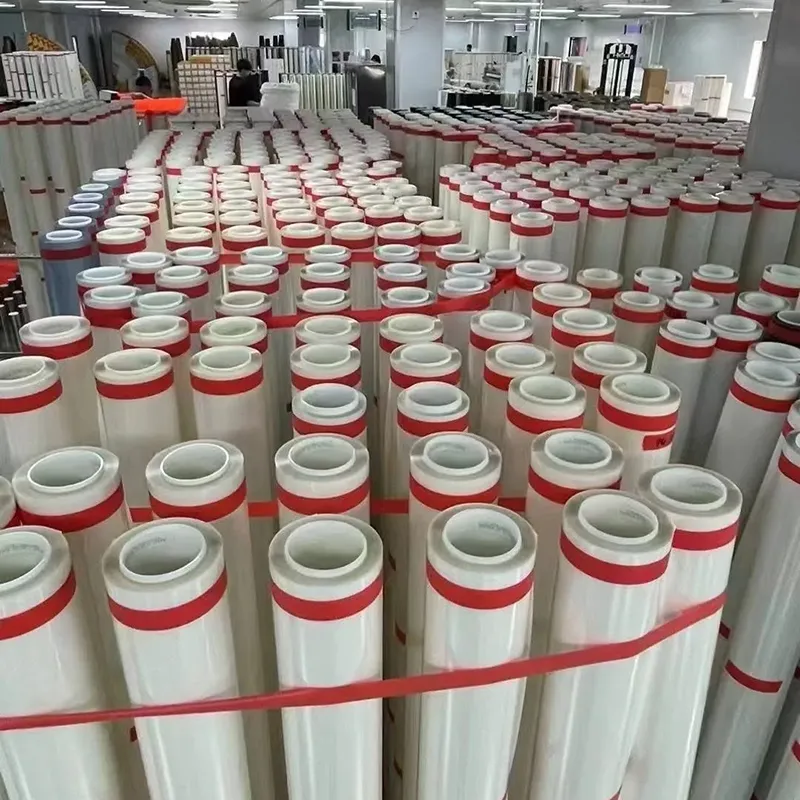
Warehouse stock of PPF rolls at a Chinese manufacturing facility - scale like this is what keeps factory-direct prices competitive.
What's driving this? Simple: more cars on the road, more owners who want to protect and customize them, and TPU technology that finally makes PPF worth the investment over ceramic coatings.
Why Your Competitors Already Buy Factory-Direct
For decades, the automotive film supply chain worked like this: Chinese factory -> regional distributor -> local wholesaler -> retail shop. Each layer added markup. The distributor who sits between you and the factory is not doing anything wrong - they're providing convenience and risk reduction. But that convenience comes at a steep price.
Here's what's changed: communication tools, verification platforms, and experienced sourcing agents have made it far easier to buy factory-direct. You no longer need to fly to Guangzhou, navigate language barriers alone, or wire money to a factory you've never met. The infrastructure for safe, direct sourcing now exists - and the margin savings are substantial.
02 Automotive Film Product Line Decoded
If you think PPF and vinyl wrap are basically the same thing, you're not alone - I talk to distributors every week who can't tell TPU from TPH. That confusion costs money. Understanding the differences between product categories is essential before you start contacting suppliers. Each type serves a different customer need, carries a different price point, and offers a different margin profile.
PPF: The Profit Driver
PPF is where the money is. Car owners will drop $3,000 on paint protection film without blinking - try getting that for a window tint. PPF is a clear, thermoplastic urethane film applied to painted surfaces to protect against stone chips, scratches, bug damage, and UV fading.
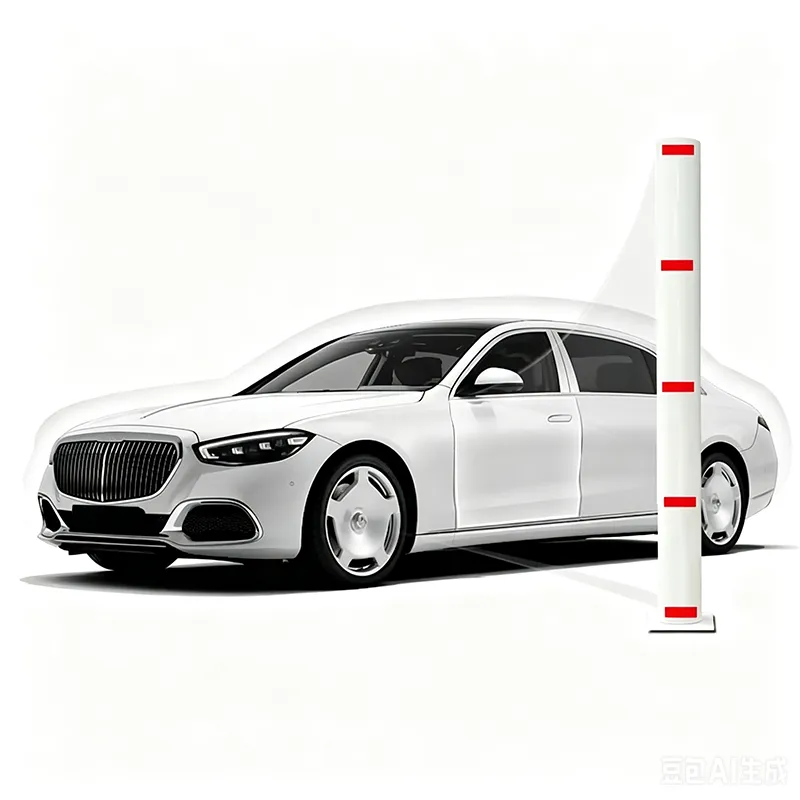
PPF installed on a Mercedes Maybach - the kind of high-end application that commands premium pricing at retail.
The material you choose determines both cost and performance. Here's the breakdown:
| Property | TPU (Top Tier) | TPH (Mid Range) | PVC (Budget) |
|---|---|---|---|
| Material | Thermoplastic Polyurethane | TPU + Plasticizer | Polyvinyl Chloride |
| Self-Healing | Yes - heat-activated | Partial | No |
| Yellowing Resistance | 5+ years | 2-3 years | 1-2 years (prone to yellowing) |
| Typical Lifespan | 5-10 years | 3-5 years | 1-3 years |
| China Factory Price | $250-$400/roll | $130-$220/roll | $80-$150/roll |
| Retail Install Price | $1,500-$5,000+ | $800-$2,000 | $400-$1,000 |
TPU dominates the market - it accounts for over 70% of PPF sales because installers and end consumers both prefer the self-healing property and long lifespan. If you're stocking PPF, TPU should be your lead product.
Color PPF: The Fastest-Growing Category
Color PPF does what the name says - protects paint AND changes the color. Two products in one install. It combines the protective benefits of clear PPF with the aesthetic appeal of a vinyl wrap. This is the fastest-growing sub-category in wholesale automotive film, and for distributors, it represents a sweet spot between PPF margins and wrap volumes.
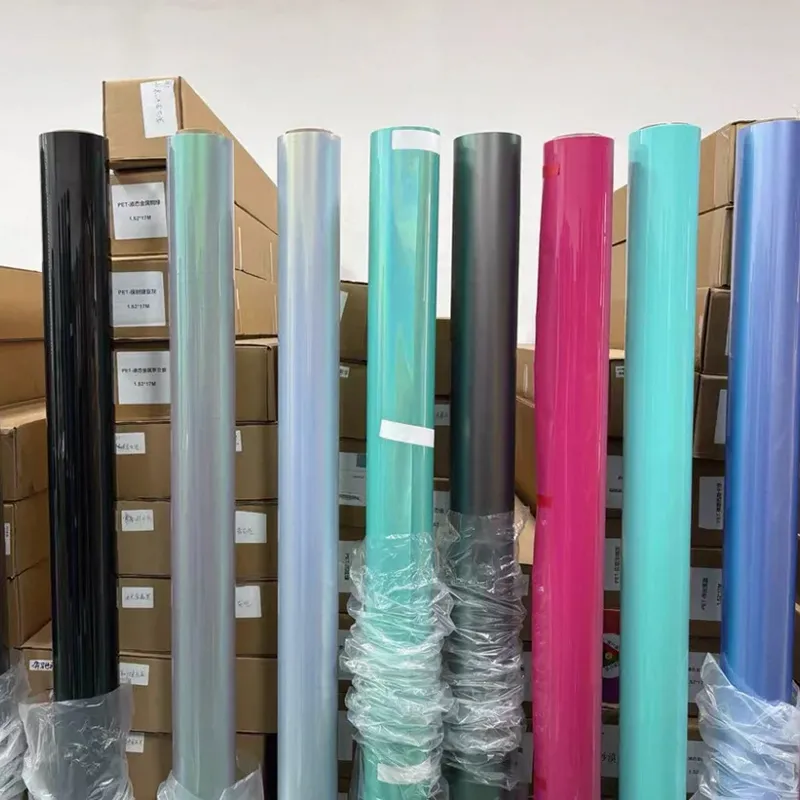
Color PPF inventory - the variety of colors available is one reason this category is growing faster than any other in automotive film.
Why Color PPF is gaining ground fast:
- Dual value proposition: Protection + color change in a single product - customers get both benefits without two installations
- Higher perceived value: Customers who would pay $2,000 for clear PPF will often pay $3,000-$4,000 for color PPF on the same vehicle
- Expanding color options: Leading Chinese factories now offer 200+ color variants including gloss, matte, satin, and specialty finishes
- Self-healing advantage over vinyl: Unlike standard vinyl wrap, Color PPF heals minor scratches - a feature vinyl can't match
Vinyl Wrap: The Volume Play
Vinyl wrap (also called car wrap film or color change film) is purely decorative - it changes the vehicle's appearance without offering meaningful paint protection. It's thinner than PPF, cheaper to produce, and accounts for the largest volume in the automotive film market.
For distributors, vinyl wrap is your volume driver. The per-roll price from Chinese factories is significantly lower than PPF, and the customer base is broader - from professional wrap shops to DIY enthusiasts. Margins per roll are smaller than PPF, but the higher turnover can make up for it.
Typical vinyl wrap pricing from China: $50-$150 per roll (1.52m x 15m-18m), compared to $300-$800+ per roll from Western distributors.
Window Film & Light Film: The Add-On Upsells
Window tint film and headlight/taillight film are the unsung heroes of automotive film distribution. They don't generate the same buzz as PPF or wraps, but they're high-frequency add-on products that every installer needs on a weekly basis.
Window Tint Film
Heat rejection, UV protection, privacy. Available in carbon, ceramic, and dyed variants. Every car owner is a potential customer. Factory price: $30-$120/roll.
Headlight & Taillight Film
Protection + color tint for headlights and taillights. Smaller rolls, lower cost per unit, easy upsell at every install. Factory price: $15-$50/roll.
Bundling Opportunity
Offering PPF + window tint + light film packages to installers increases order value by 30-50% with minimal extra logistics cost.
Browse our automotive supplies and tools from China - or we can send you product catalogs, spec sheets, and sample pricing from verified automotive film factories.
03 The Real Cost Breakdown: Local vs. China Direct
This is the section that gets people's attention. Let's look at the actual numbers - not theoretical savings, but real-world pricing data from current China factory quotes and Western distributor price lists.
PPF Wholesale Price Ranges from China
| Product | China Factory Price | Western Distributor Price | Potential Savings |
|---|---|---|---|
| TPU PPF (Premium) | $250-$400/roll | $1,100-$2,800/roll | $700-$2,400 |
| TPH PPF (Mid-Range) | $130-$220/roll | $600-$1,500/roll | $400-$1,200 |
| Color PPF (TPU) | $280-$450/roll | $1,200-$3,000/roll | $800-$2,500 |
| Vinyl Wrap | $50-$150/roll | $300-$800/roll | $200-$650 |
| Ceramic Window Tint | $60-$120/roll | $350-$800/roll | $250-$680 |
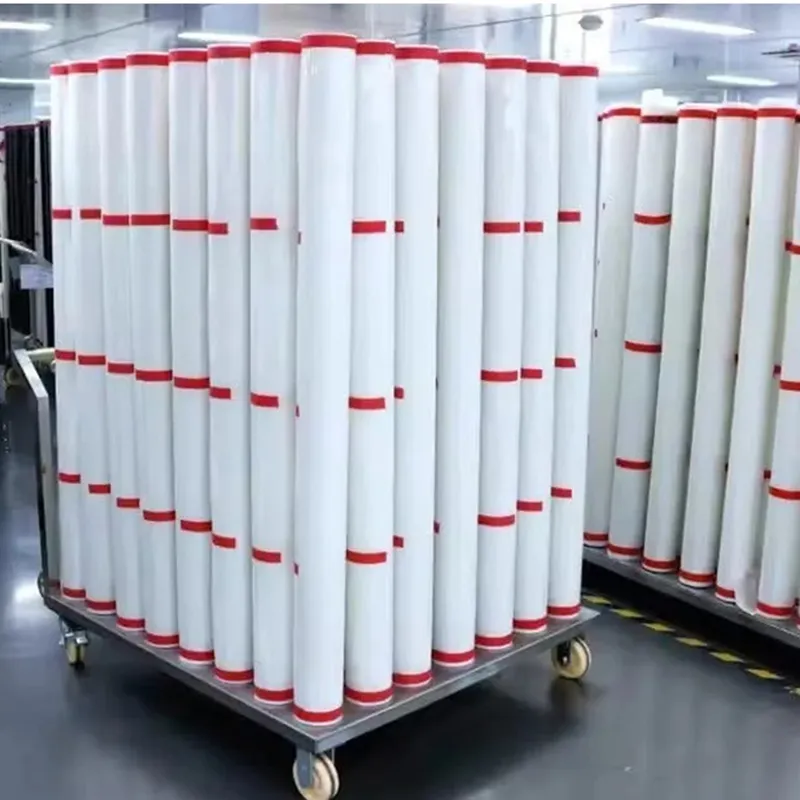
Finished PPF rolls staged for shipment at a Chinese factory - direct from production line to container, no middleman markup.
The Landed Cost Formula You Must Know
Factory price is only part of the equation. To make an informed sourcing decision, you need to calculate your total landed cost - the actual cost per roll by the time it reaches your warehouse.
Landed Cost Formula
- Landed Cost = Factory Price + Domestic Freight (China) + International Shipping + Customs Duties + Insurance + Sourcing Agent Fee
- For a standard 20ft container (approx. 600-800 rolls of PPF), international shipping from China to the US West Coast typically runs $2,000-$4,000
- Customs duties on automotive film (HS code 3920) range from 3.4%-6.5% depending on the country
- Sourcing agent fees typically range from 3%-8% of order value - but they often negotiate better factory prices that more than offset their fee
For the full step-by-step process beyond just the numbers, check out our complete guide to importing products from China - it covers shipping methods, customs documentation, and payment terms in detail.
Profit Margin Calculator: A Real-World Example
Let's walk through a concrete scenario. Meet James - he runs a three-location auto styling business in Melbourne, Australia. In 2025, he was sourcing TPU PPF from a regional distributor at $1,600 AUD per roll (approximately $1,050 USD).
After connecting with a sourcing agent and ordering direct from a verified factory in Guangdong, here's how his numbers changed:
| Cost Component | Old (Local Distributor) | New (China Direct) |
|---|---|---|
| Film Cost per Roll | $1,050 USD | $320 USD |
| Shipping (Allocated) | Included | $80 USD |
| Customs + Duties | Included | $25 USD |
| Agent Fee (5%) | N/A | $16 USD |
| Total Landed Cost | $1,050 USD | $441 USD |
| Retail Price (Installed) | $2,200 USD | $2,200 USD |
| Gross Profit per Roll | $1,150 USD | $1,759 USD |
| Margin | 52% | 80% |
James now saves over $600 per roll on PPF alone. Across his three locations installing roughly 15 cars per month, that's $9,000+ in extra monthly profit. Yes, switching supply sources takes effort - samples, trial orders, QC checks. But the math speaks for itself.
Send us your current product list and pricing - we'll prepare a side-by-side comparison with factory-direct quotes at no charge.
04 How to Evaluate a China Automotive Film Supplier
Finding factories on Alibaba or Made-in-China is easy. Finding reliable factories - ones that deliver consistent quality, honor agreements, and won't swap materials between your sample and production run - that requires a systematic evaluation process.
7-Point Supplier Verification Checklist
1. Factory Audit & Ownership
First: confirm they're an actual manufacturer, not a trading company pretending to be one. Request a business license (yingye zhizhao) and cross-check the registered address. If you visit - or video-call - you should see production equipment, workers, and raw materials on-site. Not a showroom and a sales team.
2. Production Capabilities
What's their monthly output? How many production lines do they operate? A serious PPF factory should produce at least 50,000 rolls/month and have clean-room coating equipment. Ask for a video walkthrough if you can't visit in person.
3. Material Sourcing
Top-tier PPF uses TPU raw material from brands like Lubrizol, BASF, or Huntsman. Ask the factory where they source their base film and adhesive. Cheap TPU from unknown sources leads to yellowing and adhesion failures.
4. Quality Certifications
Look for ISO 9001 at minimum. For specific markets, check for REACH compliance (EU), SGS test reports, and any automotive-specific certifications. Certifications alone don't guarantee quality - but their absence is a warning sign.
5. Sample Testing
Always order samples before placing a bulk order. Test for: self-healing performance, adhesion strength, yellowing resistance (UV chamber test), and thickness consistency. Compare side-by-side against brand-name benchmarks like XPEL or 3M.
6. Export Experience
How long have they been exporting? Which countries do they ship to? A factory with 5+ years of export experience to your target market will already understand packaging requirements, documentation, and compliance standards.
7. After-Sales Support
What happens when there's a quality problem? Do they offer warranty? Will they replace defective rolls? How responsive are they after receiving payment? A factory's willingness to stand behind their product tells you more than any sales pitch.
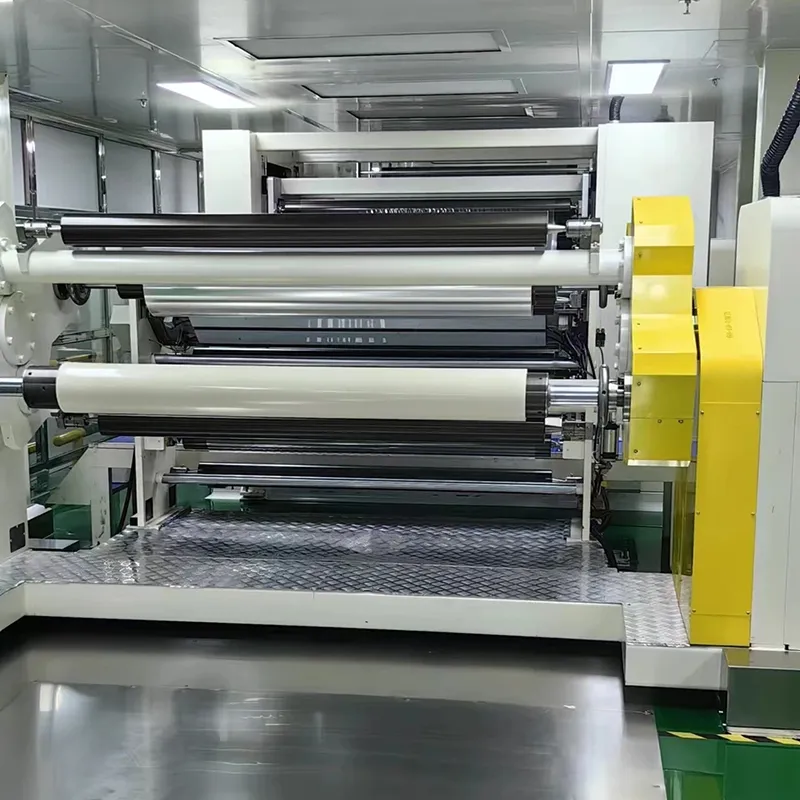
Inside a modern PPF production facility - clean-room coating lines like this are what separate real manufacturers from trading companies.
Red Flags to Watch For
I ran through this checklist with a client in Dubai last year. Of the five factories he'd shortlisted, two failed on point 1 alone - they were trading companies with impressive websites but no production floor. Another passed the license check but couldn't tell us where their TPU resin came from. That left two. This is normal. For a deeper dive on spotting problematic suppliers, see our guide to 10 red flags that signal a fraudulent supplier.
- Prices that seem too good to be true: TPU PPF at $80/roll? It's almost certainly PVC labeled as TPU, or recycled material
- No physical factory address: If they can't provide a verifiable factory location you can visit or video-call, walk away
- Reluctance to provide samples: Legitimate factories want you to test their product - hesitation here means they're hiding something
- Refusing third-party inspection: If a supplier won't allow an independent QC check before shipment, that's a dealbreaker
- No export track record: Domestic-only suppliers may not understand international packaging, labeling, or documentation requirements
The Safe Sourcing Process (Step-by-Step)
Shortlist & Verify
Identify 3-5 candidate factories. Verify business licenses, request product catalogs, and check export references.
Order Samples
Get samples from your shortlist. Test them thoroughly - don't just look at them. Install a sample, scratch it, expose it to UV, check the edges.
Factory Visit (or Video Tour)
Visit in person if possible. If not, schedule a live video call where the factory walks you through production, warehouse, and QC areas.
Negotiate & Place Trial Order
Start with a small order (10-50 rolls). This tests their production consistency, packaging, and delivery reliability before committing to larger volumes.
QC Before Shipment
Arrange a pre-shipment inspection - either through your sourcing agent or a third-party QC firm. See our pre-shipment QC inspection checklist for what to check. Never skip this step.
Scale & Optimize
Once you've validated the supplier on a trial order, scale up gradually. Negotiate better pricing on volume orders and discuss OEM/private label options.
05 OEM & Private Label: Building Your Own Brand
Here's something most distributors don't realize until their third or fourth China order: the factory will put YOUR brand on the roll. Your logo, your box, your warranty card - same price as generic packaging. Instead of selling someone else's name and building their brand equity, you can create a private label product line with your logo, your packaging, and your warranty - at a fraction of what Western brand-name film costs.
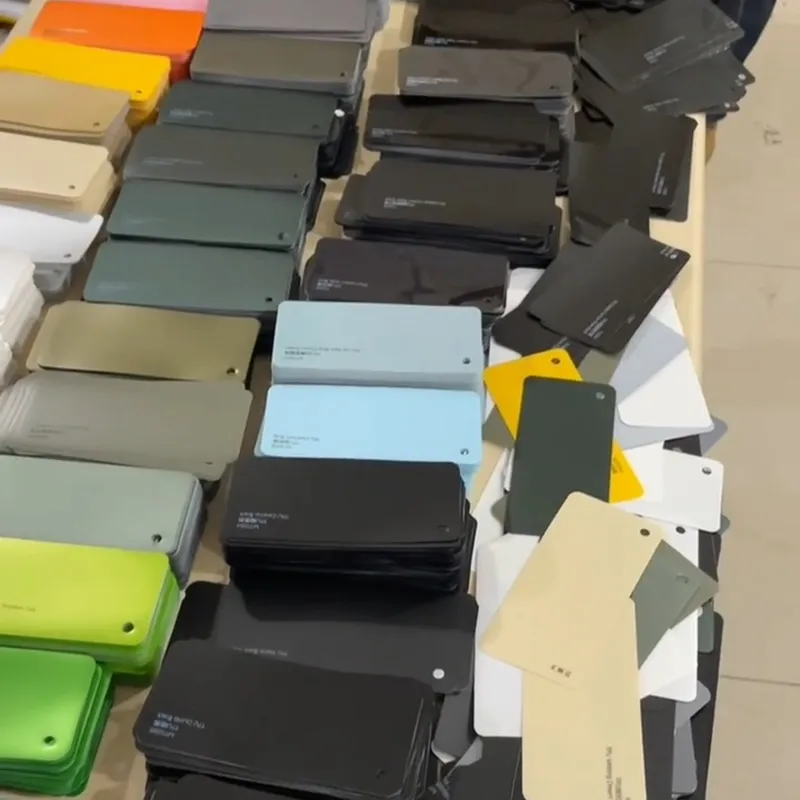
Custom color swatches for private label orders - when you OEM your own brand, the color card carries your logo, not the factory's.
What's Included in a Custom Branding Package
A comprehensive OEM/private label package from a Chinese automotive film factory typically includes:
- Custom-printed roll core and outer packaging: Your brand name, logo, product specifications, and contact info printed directly on the roll core label and the cardboard box
- Custom color cards/swatch books: Professional color sample books with your branding - these are essential sales tools that installers use to show customers color options
- Warranty cards: Printed with your brand and warranty terms. Many distributors offer 3-year, 5-year, or 10-year warranties backed by the factory
- Installation tool kits: Squeegees, spray bottles, cutting tape, and microfiber cloths branded with your logo - included as value-adds for your installer clients
- Marketing materials: Brochures, banner designs, and social media content that feature your brand identity
MOQ & Lead Time for Private Label Orders
| Item | Typical MOQ | Lead Time |
|---|---|---|
| Custom Packaging (Roll Core + Box) | 100-300 rolls | 7-15 days after design approval |
| Custom Color Cards | 50-100 sets | 10-20 days |
| Custom Warranty Cards | 500-1,000 pcs | 5-10 days |
| Full Branding Package | 200-500 rolls | 20-30 days total |
Why Private Label Beats Distributing Big Brands
When you sell XPEL or 3M, you're their unpaid marketing department. Every roll that leaves your shop builds brand loyalty - for them, not you. If the brand decides to open a direct sales channel in your territory or switch to another distributor, you lose your customer base overnight.
With a private label, every roll you sell strengthens your own brand. Installers and end customers associate the quality with your name. And because you control the pricing - without brand-mandated retail prices - you can be far more competitive while maintaining higher margins.
A client in Toronto made this switch in early 2025. He was selling a name-brand PPF at 35% margin. After launching his own private label through a Chinese OEM partner, his margin jumped to 70% - and within six months, his private label outsold the name brand in his own shop because he could price it more aggressively while still making more profit.
We handle the entire OEM process - from factory matching to design coordination to private label and OEM manufacturing services. Let's talk about what's possible.
06 Regional Compliance & Import Guide
Automotive film isn't a "ship it and forget it" product. Different markets have different regulations - especially for window tint film. Understanding these before you import prevents costly mistakes like customs holds, rejected shipments, or products you can't legally sell.
I had a client in the Netherlands whose first container got held at Rotterdam for three weeks because the factory hadn't provided REACH documentation. Three weeks of storage fees, delayed orders, and embarrassed phone calls to his customers. That's why this section exists.
United States
- Window tint: Regulated state by state. VLT requirements range from 70% (windshield, federal standard) to 20-35% for side and rear windows. No single national standard exists
- PPF & vinyl wrap: Generally unregulated at the federal level - no specific certification required for import. However, some states restrict certain colors (e.g., mirror-finish chrome wraps)
- Import duty: HS code 3920 (plastic film) - typically 3.4%-6.5% depending on exact product classification
- FDA/FTC: Window film health claims (UV protection, heat rejection) may require substantiation. Avoid making unsubstantiated medical claims
European Union
- REACH compliance: All chemical substances in the film and adhesive must be registered under EU REACH regulations. This is non-negotiable - non-compliant products can be seized at customs
- Window tint: ECE Regulation 43 governs windscreen glazing - front windscreen and front side windows typically must allow 70%+ VLT. Rear windows have more flexibility
- CE marking: Not typically required for automotive film, but product safety documentation should be available
- Import duty: Typically 6.5% for plastic film products under relevant HS codes
Australia, Canada, Thailand, Mexico
Australia
Window tint regulated by AS/NZS 2080. Front windows must allow 35%+ VLT. PPF and wraps have no specific certification requirements. Import duty: 5% (CHNFTA may reduce to 0%).
Canada
Window tint laws are provincial. PPF and wraps generally unregulated. Import under CUSMA/USMCA with standard HS duty rates. French labeling required for Quebec.
Thailand & Mexico
Thailand: Window tint regulated by Land Transport Dept. Mexico: No federal tint law, state-by-state enforcement. Both markets are growing rapidly - low competition means strong margins for early movers.
07 Do You Need a Sourcing Agent? (Honest Answer: It Depends)
At this point, you might be thinking: "Can't I just contact factories on Alibaba myself?" You can. But here's what most first-time importers discover the hard way - finding a factory is easy; managing the entire sourcing process from initial contact to container loading is where things get complicated.
What a Sourcing Agent Does (That a Factory Can't)
- Multi-factory comparison: An agent shops across dozens of factories to find the best match for your specific needs - price, quality level, lead time, and OEM capabilities. Factories only sell their own products.
- Price negotiation: Factories quote "standard" pricing to new customers. An agent with established relationships and volume leverage can typically negotiate 10-20% below listed prices.
- Quality control: Your agent inspects goods before shipment - catching defects, verifying specifications, and ensuring packaging meets your requirements. Our quality control and inspection process covers production line, warehouse, and QC room checks.
- Logistics coordination: Freight booking, customs documentation, HS code classification, insurance - an agent handles the entire shipping process so you don't have to become a logistics expert.
- Language and cultural bridge: Miscommunication with Chinese factories costs money - wrong specs, delayed responses, misunderstood requirements. An agent eliminates these issues.
- Problem resolution: When something goes wrong - and something always goes wrong eventually - you need someone who can visit the factory that week. Not a chatbot. Not an email that takes 48 hours. Someone who shows up, points at the problem, and doesn't leave until it's fixed.
When to Use an Agent vs. Going Direct
| Scenario | Go Direct | Use an Agent |
|---|---|---|
| You already have a trusted factory relationship | ||
| First time importing automotive film | ||
| Need OEM/private label services | ||
| Ordering from multiple product categories | ||
| Need QC inspection before shipment | ||
| Large-volume, repeat orders with one factory |
How Youna Global Supports Automotive Film Buyers
If you decide to work with a sourcing agent, here's what we do at Youna Global: we match you with vetted PPF, vinyl wrap, and window tint factories across Guangdong, Zhejiang, and Jiangsu. We handle sample coordination, negotiate pricing, manage OEM/private label processes, inspect every order before shipment, and coordinate shipping and customs documentation.
The best way to find out if we're a fit? Tell us what you need and we'll give you an honest assessment - even if that means recommending you go direct.
08 Getting Started: Your 90-Day Action Plan
Here's the plan I give to every new client - the same one that got James from Melbourne his first container in under 90 days.
Month 1: Research & Sample
- Week 1-2: Define your product requirements - which film categories, what quality tier, what quantities. Create a simple spec sheet with material type, thickness, roll dimensions, and color range
- Week 2-3: Contact 3-5 potential suppliers (or work with a sourcing agent to shortlist factories). Request product catalogs, pricing, and export references
- Week 3-4: Order samples from your top 2-3 candidates. Budget $200-$500 total for samples including express shipping - it's the best money you'll spend in this process
Month 2: First Order & QC
- Week 5-6: Evaluate samples - test self-healing, adhesion, color consistency, and thickness. If possible, have a professional installer apply a test piece and give feedback
- Week 6-7: Place a trial order with your chosen supplier. Start with 20-50 rolls across your top SKUs. Specify exact requirements in writing - material, thickness, packaging, labeling
- Week 7-8: Arrange pre-shipment inspection. Review the QC report and approve shipment before balance payment is released. This is your safeguard
Month 3: Scale & Brand
- Week 9-10: Receive and evaluate your trial order. Check every roll - film quality, packaging accuracy, labeling. Get installer feedback on real-world performance
- Week 10-12: If satisfied, place a larger order (100-300 rolls). Start discussing OEM/private label options if you want to build your own brand. The factory will be more flexible on branding terms once you've proven you're a serious, repeat buyer
- Ongoing: Build your supplier relationship. Consistent orders, clear communication, and prompt payments lead to better pricing, priority production slots, and access to new product lines before your competitors
Key Takeaways
- Sourcing automotive film direct from China typically reduces per-roll cost by 50%-80% vs. local distributors depending on product and order volume, with PPF savings of $500-$2,000+ per roll
- TPU PPF is your profit driver; Color PPF is the fastest-growing category; vinyl wrap drives volume; window and light films are high-margin upsells
- Always calculate total landed cost (factory price + shipping + duties + agent fee) - not just the factory quote - to make accurate comparisons
- A 7-point supplier verification process and a trial order of 20-50 rolls are your best protection against quality issues
- OEM/private label lets you build your own brand at lower cost than distributing name-brand products, with margins typically 60%-80% vs. 30%-40%
09 Your Move: 3 Things to Do This Week
Six months from now, your competitor might be selling private-label PPF wholesale China at 70% margins while you're still paying distributor markup. The question isn't whether to source from China - it's whether you can afford to wait.
I've seen the upside - James in Melbourne added $100K/year to his bottom line by switching to factory-direct PPF. I've also seen the downside - importers who skipped the trial order and received a container of film that yellowed in three months. The difference? Verification, quality control, and not cutting corners on the process.
Whether you're placing your first trial order or scaling up to container-quantity imports, having an experienced partner on the ground in China can save you time, money, and headaches. That's what we do at Youna Global.
Your next step is simple: tell us what you're looking for. We'll send you factory options, pricing, and a plan - no strings attached. If it makes sense, great. If not, you'll still walk away with better information than you had before.

Find Us on Social Media
Follow Karsa for sourcing tips, product updates, and factory insights from China.