
01 What "China Plus One" Actually Means in 2026 (It's Changed)
When "China Plus One" entered the supply chain vocabulary around 2019, it was mostly a geopolitical hedge - companies worried about trade war escalation looking for insurance. In 2026, the conversation has fundamentally shifted.
Today, "Plus One" has quietly become "Plus Many." US tariff uncertainty, Section 122 legal battles, the China-US trade framework agreement announced in May 2026, and the ongoing de minimis elimination for Chinese goods have together created an environment where importers feel they need multiple sourcing options just to manage risk.
The problem? Most buyers are discovering that the math of diversification is far more complicated than the headlines suggest.
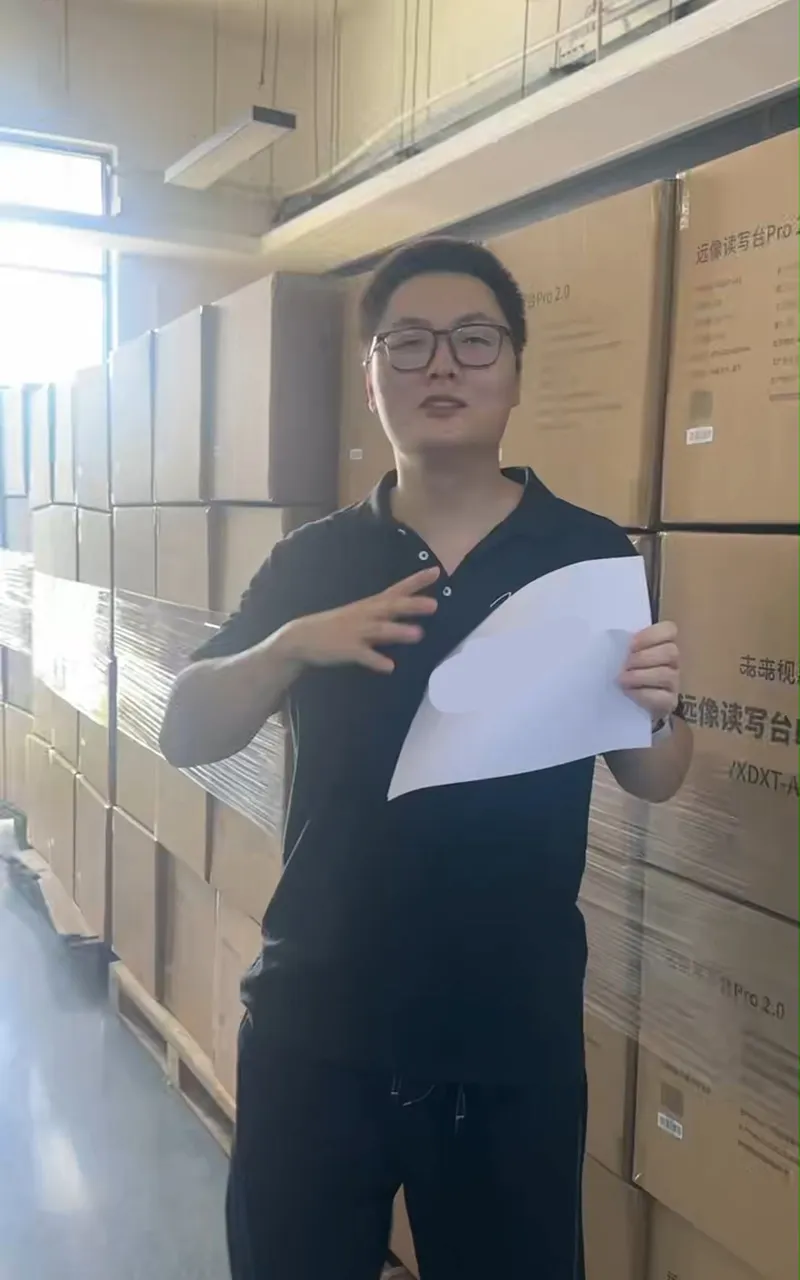
On the ground in Guangdong - inspecting goods before shipment ensures quality control that overseas sourcing can't match
The honest reality: for most importers, the countries being promoted as "China alternatives" aren't replacements at all - they're additions that add complexity without necessarily reducing costs.
02 Vietnam: Fast to Set Up, Deeply Tied to China
Vietnam is the most commonly cited China alternative, and it has genuine advantages for specific use cases. But let's start with the number that most "diversification advisors" gloss over: over 60% of Vietnam's exported manufactured goods still contain components sourced from China.
This isn't a Vietnam-specific failure. It's structural. Vietnamese factories specialize in assembly - not the full supply chain. The fabrics, metals, electronics components, and raw materials that go into "Made in Vietnam" products overwhelmingly come from Chinese suppliers. When you import from Vietnam, you're often paying for Chinese components plus Vietnamese labor plus Vietnamese logistics - with an additional layer of mark-up.

On-site quality inspection in Guangdong - catching defects before they ship saves far more than the inspection cost
Vietnam does have real advantages in specific sectors: footwear, furniture, textiles, and basic electronics assembly. But if you're importing anything with electronic components, complex parts, or specialty materials, the Vietnam dependency on Chinese inputs means your "China Plus One" strategy is more accurately described as "China Plus China-with-a-detour."
Additionally, industrial land in Vietnam's key manufacturing zones (Hanoi, Hai Phong, Ho Chi Minh City periphery) is becoming increasingly saturated and expensive. Factory leasing costs have risen significantly as global brands rushed to establish Vietnam operations in 2020-2024. The cost advantage that made Vietnam attractive five years ago is narrowing.
03 India: Real Potential, Slow Execution
India's manufacturing ramp-up is the most genuinely credible challenge to China's manufacturing dominance in the medium term. The Production Linked Incentive (PLI) schemes have attracted real investment from Apple, Samsung, and other major brands. India has 1.4 billion people, a growing domestic market, and political will to build manufacturing capacity.
But "medium term" is doing a lot of work in that sentence.
The practical challenges for most importers right now are significant:
- BIS certification requirements add 3-6 months to product timelines for electronics and many consumer goods categories
- Compliance overhead - Indian import regulations, documentation requirements, and bureaucratic processes require dedicated management bandwidth that most small-to-mid-size importers don't have
- Supply chain immaturity - for anything beyond basic assembly, Indian factories still depend on Chinese components. A factory in India making smartphones still sources display panels, chips, and cameras from China.
- Management intensity - working with Indian suppliers typically requires more hands-on oversight than Chinese suppliers, adding to operational costs
04 What China Still Does Better Than Anyone
While the world talks about diversification, China has been quietly investing in the capabilities that actually matter for global importers. Here's what hasn't changed:
Full Supply Chain in One Ecosystem
Shenzhen to Guangzhou to Foshan - within a 2-hour radius, you have access to raw materials, precision components, packaging, assembly, and finishing. No other manufacturing hub in the world has this depth. If your product requires multiple specialized parts, China is almost always the only place you can source everything from a network of suppliers within a day's travel.
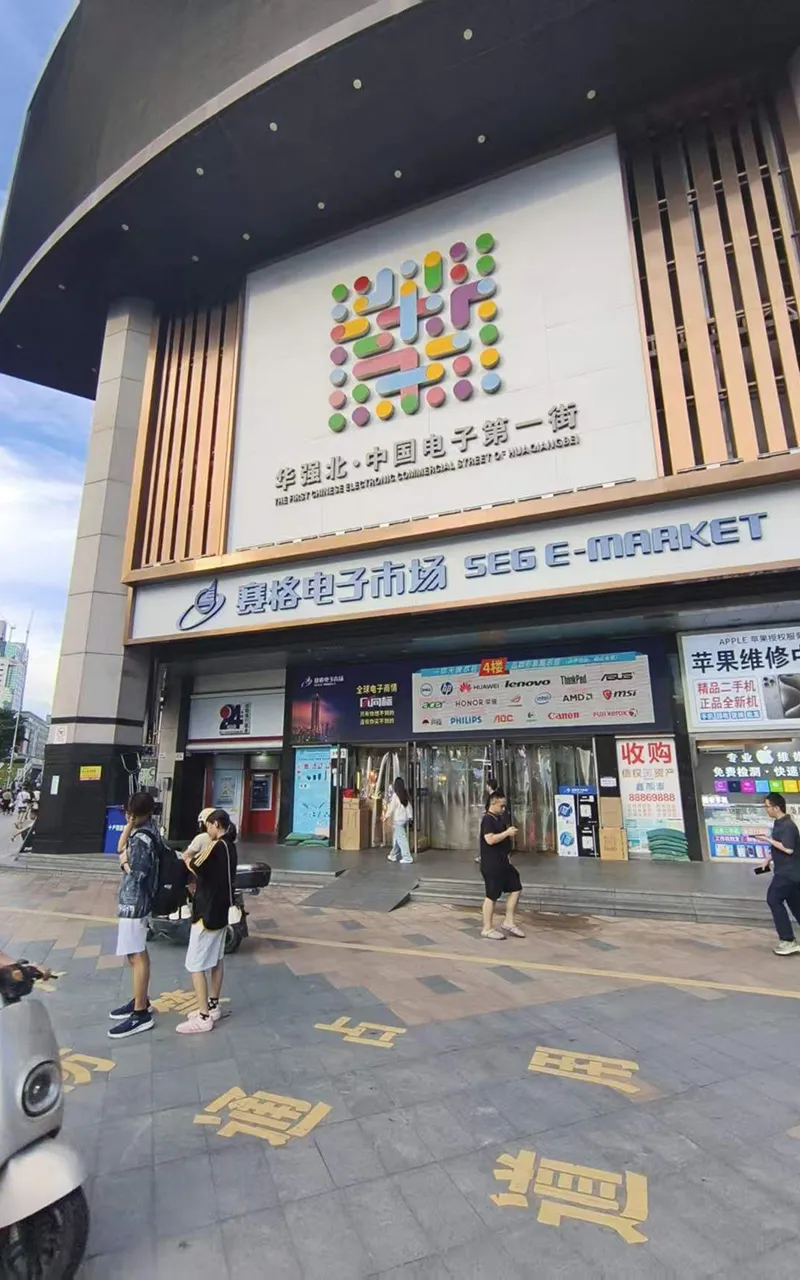
Huaqiangbei Electronics Market, Shenzhen - one of the world's most concentrated electronics component ecosystems, open year-round
Speed to Sample
From your design concept or reference product to a physical sample in your hand: 7-14 days in most categories. Production ramp-up takes weeks, not months. This speed is critical for:
- Amazon sellers chasing trending products where timing matters
- Brands iterating on product designs based on market feedback
- Buyers testing multiple supplier options before committing to volume orders
OEM & Custom Branding at Low MOQ
Chinese factories - especially in Yiwu, Shenzhen, and Guangzhou - have normalized low-MOQ OEM and private label arrangements that factories in Vietnam and India struggle to match. You can often get custom packaging, brand labels, and product customization starting at 100-200 units. This flexibility is a major advantage for DTC brands and small-batch sellers.
The Automation Factor
Chinese factory owners are not sitting still. Facing rising labor costs, they've been investing heavily in automation - CNC machines, robotic assembly lines, automated quality inspection. This is why Chinese factory prices haven't skyrocketed despite wage growth over the past decade. The factories that are surviving and growing are the ones that have invested in efficiency. The result: quality is stable and often improving, while costs remain competitive.
05 The Tariff Question: Does It Still Make Sense to Source from China in 2026?
This is the question every importer is asking right now. Here's the honest, nuanced answer:
It depends on your volume, your target market, and whether you have a sourcing agent helping you optimize.
The tariff landscape in May 2026 is complex:
- The US-China trade framework agreement has paused some escalation, with rare earth export controls suspended until November 2026
- Section 122's 10% baseline tariff was ruled invalid by the Court of International Trade, but is still being collected while appeals proceed
- The de minimis exemption elimination for Chinese goods means small-package dropshipping from China is no longer cost-effective - but bulk consolidated shipping remains viable
- For EU, UK, and most Asian buyers: China tariffs remain manageable and China is almost always the lowest landed-cost option
06 What Smart Importers Are Actually Doing in 2026
Having spent 10+ years on the ground in Guangdong, visiting factories, and managing orders for clients across 20+ countries, here's what I'm actually seeing the smart, experienced importers doing:
Using China as the Primary Sourcing Base
The majority of established importers are staying with China as their primary source - not because they're ignoring the risks, but because they've done the math. For complex products, electronics, anything requiring OEM/custom branding, and most consumer goods categories - China remains the most cost-effective option even with tariffs factored in.
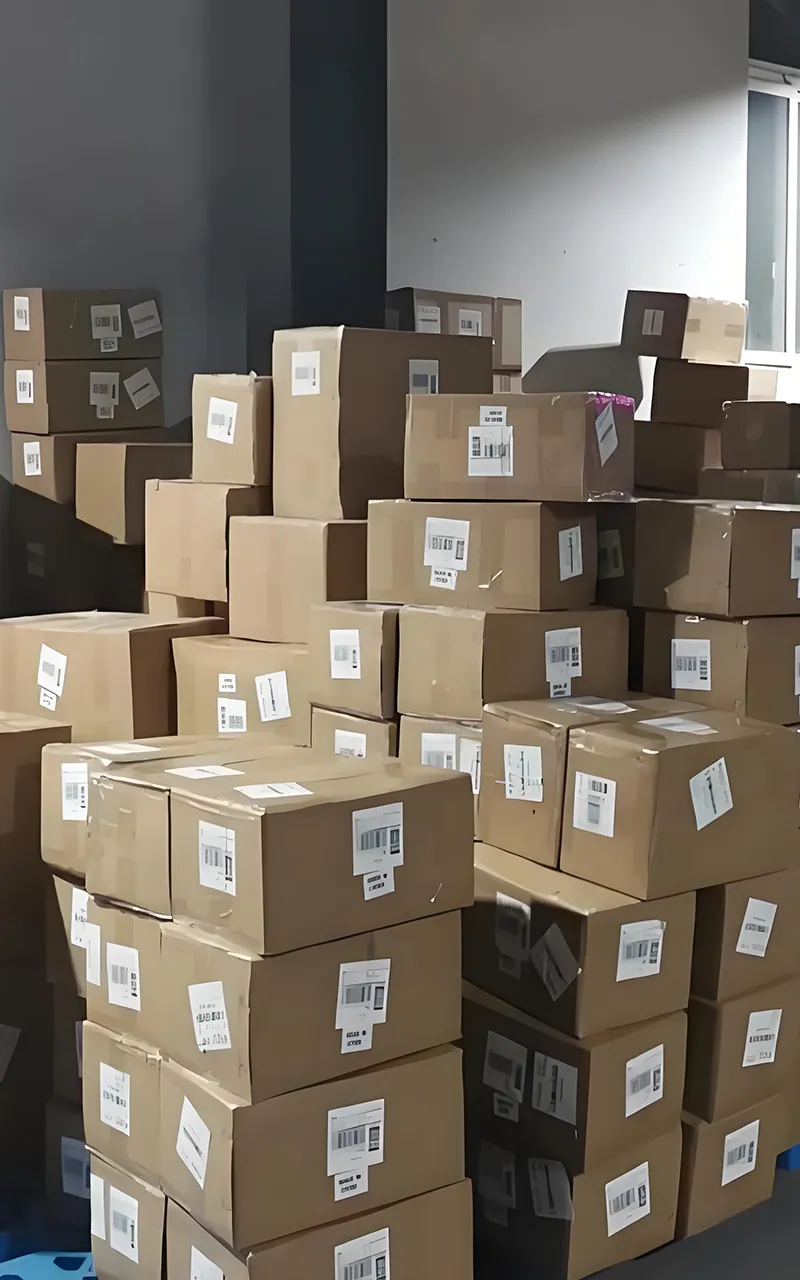
Amazon FBA shipment preparation in Guangdong - consolidated shipping keeps per-unit logistics costs low even with current tariffs
Vietnam for EU Tariff Arbitrage Only
A growing number of European importers are genuinely using Vietnam for specific product lines - particularly textiles, footwear, and furniture - where EVFTA advantages create real cost benefits. But they're not moving everything to Vietnam. They're being strategic about which products genuinely benefit from the Vietnam routing.
Dual-Sourcing for Risk Hedging, Not Cost Saving
Smart importers using a "China Plus One" approach are treating it as insurance, not as a cost-reduction strategy. They keep their China operations running smoothly while building relationships in Vietnam or India as a hedge against potential future disruptions. But they're not expecting to save money - they're paying a premium for optionality.
Relying on a China-Based Agent for the Details
What separates importers who make the math work from those who struggle? They have someone on the ground in China who can:
- Vet factories independently (not relying on Alibaba profiles or factory photos)
- Inspect goods before they ship - catching defects early rather than when they arrive at your warehouse
- Consolidate orders across multiple suppliers into one shipment
- Negotiate prices based on real production costs, not factory tourist pricing
07 How Karsa Helps You Navigate This From Guangdong
I'm based in Guangdong - the heart of China's manufacturing ecosystem. My work covers factories across Guangzhou, Shenzhen, Dongguan, Foshan, Yiwu, and Ningbo. Here's how I help importers make smart sourcing decisions in 2026:
- Factory Vetting: I visit factories in person, verify business licenses, check production capacity, and report honestly - including red flags when I see them. This applies to China factories and, if you're exploring alternatives, to factories in Vietnam and India as well.
- Price Negotiation: I know what things actually cost to make. I negotiate from a position of knowledge, not guesswork. Factory-direct prices that beat what you'd get working directly with a trading company.
- Quality Control: Before your goods leave China, I inspect them. You get a detailed QC report with photos before the shipment departs - so you're not unpleasantly surprised when it arrives at your warehouse.
- Order Consolidation: Multiple suppliers? Multiple product lines? I consolidate everything into one shipment, dramatically reducing your per-unit shipping cost.
- Free Warehouse Storage: 15-20 days of free storage in Guangdong while you optimize your freight method or wait for better shipping rates.
- OEM & Custom Branding: Low MOQ options for custom packaging, private label, and OEM production at levels that factories in Vietnam and India can't match.

Shipment preparation in Guangdong - consolidated shipping combines multiple orders into one efficient delivery
Still Unsure Whether to Source from China, Vietnam, or Both?
Book a free 15-minute consultation. Tell me about your product, target market, and volume - and I'll give you an honest assessment of what makes sense for your specific situation.
The Bottom Line
The "China Plus One" narrative is being pushed hard by consultants, advisors, and alternative sourcing companies. But before you jump to diversify, do the actual math for your specific product, volume, and target market.
For most importers in 2026, China remains the most cost-effective, fastest, and most reliable sourcing destination - even with tariffs factored in. The key is having someone on the ground who can optimize your costs, verify your suppliers, and manage quality so you don't have to.
If you're ready to have an honest conversation about your sourcing strategy, let's talk.
 WhatsApp Us