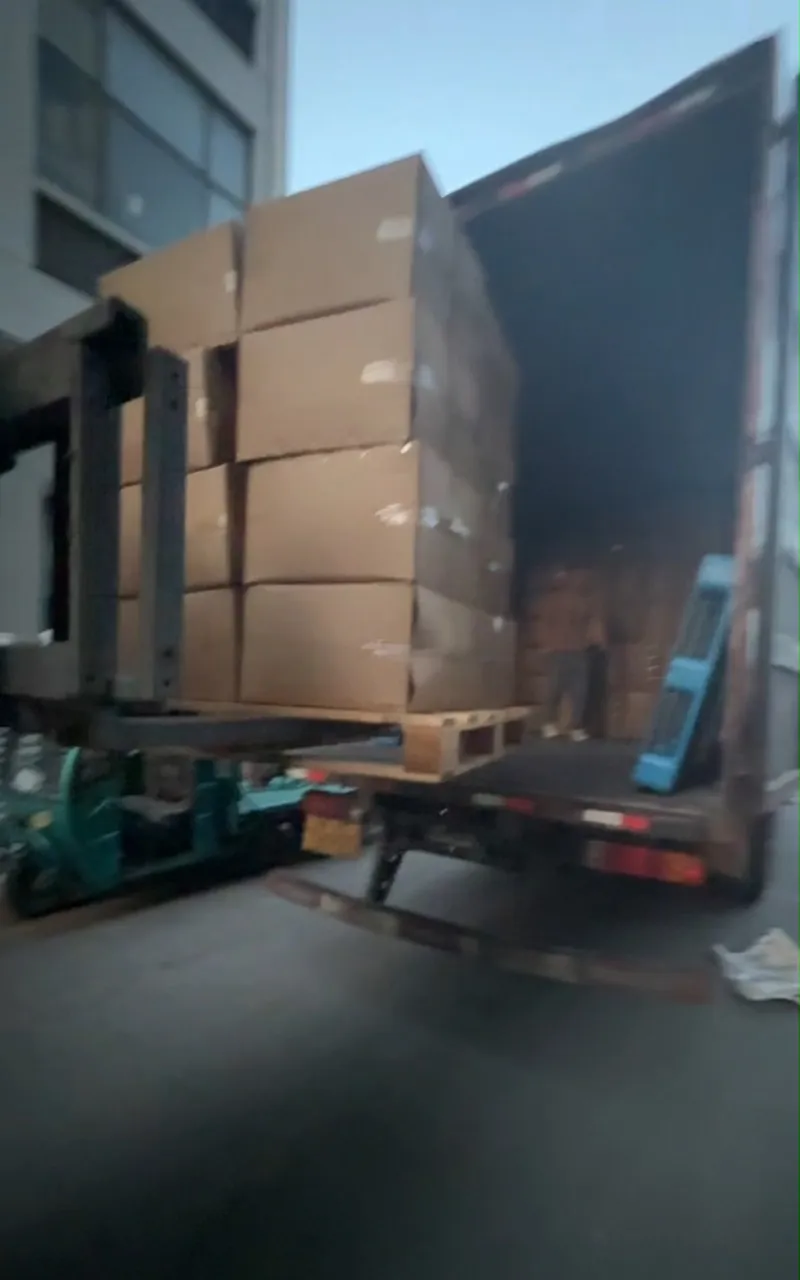
Not long ago, a small buyer could order a few cartons from a Chinese supplier, have them direct-shipped by courier, and often skip customs paperwork entirely. That era is over. The United States ended duty-free treatment for small parcels in August 2025, and the European Union followed in July 2026. Every small order now meets customs, planned or not.
That is why you keep seeing three letters everywhere: DDP. It stands for Delivered Duty Paid, and it is the shipping option where the seller side gets the goods all the way to your door, cleared through customs, with the duties and taxes already paid. For a first-time importer, that sounds almost too good to be true. For a small buyer whose current arrangement feels shaky, it sounds like a possible way out.
This guide explains DDP shipping from China in plain English: what it includes, how it compares with FOB and EXW, what drives the price, how to spot a quote with hidden traps, and when it is honestly the wrong choice. It is written for someone placing their first order, or their fifth, not their five-hundredth. If you are even earlier in the journey, our complete guide to importing from China covers the whole process from the beginning.
01 What DDP Shipping Means, in Plain English
The one-sentence version
DDP, or Delivered Duty Paid, means the seller arranges everything from picking the goods up at the factory in China to delivering them at your address, with customs cleared on both sides and the duties and taxes paid. You wait at your door and receive cartons.
DDP is one of the eleven Incoterms 2020 rules published by the International Chamber of Commerce. Incoterms are a shared shorthand defining, for any international sale, who arranges which leg, who pays which cost, and where risk passes from seller to buyer. DDP places the maximum obligation on the seller side, which is why small buyers like it and some sellers avoid it.
What the seller side handles under DDP
When you buy on DDP terms, the seller side is responsible for:
- Pickup from the factory
- Export customs clearance in China
- The international freight, by sea, air, or express
- Import customs clearance in your country
- The duties and taxes your customs authority charges
- Final delivery to your address, down to the postcode
One party is accountable for the whole chain; a problem in the middle is not yours to untangle from another continent.
What you still have to do even under DDP
DDP moves the logistics work to the seller side. It does not switch off your brain. You are still responsible for accurate product information, because the customs documents are built from what you tell them; for product compliance in your market, meaning certifications, labeling, and safety rules; and for receiving and unloading the goods. If you import something regulated, like batteries, cosmetics, or branded goods, no shipping term exempts you from knowing your own market's rules, and I come back to this later because it is where the cheapest DDP quotes hide their problems.
Why everyone is talking about DDP now
For years, small buyers could dodge all of this: a parcel under a certain value crossed the US or EU border duty-free. Both thresholds are now gone, so every small importer has to answer the question that used to apply only to big importers: who handles clearance, and who pays the duties? DDP pushes both onto the seller side; the exact policy changes come later in this guide.
02 DDP vs FOB vs EXW: The Same Product, Three Different Prices
Two suppliers, same product, same quantity, wildly different quotes. The difference is almost never the product. It is the three letters at the end of the quote.
EXW: you collect at the factory gate
EXW, or Ex Works, is the "you handle everything" price. The seller makes the goods available at their factory; everything after that is yours: transport to the port, export clearance in China, the freight, import clearance, duties, and delivery. EXW looks cheapest. It rarely is, once you add back what it excludes. There is also a practical trap: export clearance requires someone in China set up to make the export declaration. A factory can do it; a first-time foreign buyer arranging pickup from abroad often cannot. Without help on the ground, EXW is a price you can barely use.
FOB: the factory loads the ship, everything after the port is yours
FOB, or Free on Board, is the classic middle option. The seller delivers the goods onto the vessel at a named Chinese port and handles export clearance. From there, costs and risks pass to you: ocean freight, insurance, import clearance at destination, duties, and delivery.
FOB works well when you have your own freight forwarder and customs broker at destination. If those two words are new to you, you are not there yet, and there is nothing wrong with that.
DDP: the goods arrive at your address, cleared, duties paid
DDP takes the FOB arrangement and extends it all the way to your door, with import clearance and duties on the seller side. The number you are quoted is close to the number you actually pay.
The comparison table
| EXW | FOB | DDP | |
|---|---|---|---|
| Seller arranges | Goods available at factory | Delivery on vessel at Chinese port, export clearance | Everything to your door, duties and taxes paid |
| You arrange | All transport, clearances, duties | Freight, import clearance, duties, final delivery | Receiving the goods |
| Risk passes to you | At the factory | When goods are on board | At your address |
| Duties and taxes | You | You | Seller side |
| Suits | Buyers with China logistics setup | Buyers with a forwarder and broker | First-timers, small orders, multi-supplier consolidation |
Why you can never compare an EXW price with a DDP price directly
A factory quoting EXW and a forwarder quoting DDP are pricing two completely different scopes of work; comparing them is like comparing flour with a birthday cake. The fix: ask the same provider to quote the same order two ways, FOB and DDP, then line them up. The difference is the real, current cost of getting the goods from the Chinese port to your door, cleared and taxed, priced on your actual goods, lane, and postcode.
03 What a DDP Quote Should Include
A DDP quote is supposed to be an all-in price. "Supposed to be" is doing a lot of work in that sentence, because the cheapest quotes are often all-in only in the sense that the details are hidden inside.
The line items
A proper DDP quote, in writing, should show or state these lines:
- Pickup from the factory or warehouse in China
- Export customs clearance in China
- The international freight, with the mode named
- Import customs clearance at destination
- The duties and taxes
- Final delivery to your actual postcode, not just "your country"
If any of these is missing from the paperwork, ask before you pay anything, not after the goods are moving.
What actually goes to your customs authority
Duty is calculated on the HS code, the harmonized product classification customs authorities use to decide how a product is taxed and regulated. Import VAT or GST, your sales-tax-style import tax, is typically charged on top, along with small processing fees. The exact rate depends on the product, its origin, and the destination, and rates on Chinese goods have moved repeatedly through 2025 and 2026, which is why I do not quote tariff numbers in articles. Our full China tariff guide tracks that side.
Where the convenience premium sits
Yes, a DDP price includes a margin for the party organizing it. It should: they take on clearance work, duty payments, and the risk of a customs query. The fair question is not whether the premium exists, but whether it is honest and visible.
Landed cost is still the only number that matters
The number that decides whether your business works is the landed cost: goods plus freight plus clearance plus duties plus delivery. DDP is popular with careful small buyers precisely because it makes that number visible early. For the costs that have nothing to do with freight, read about the hidden costs behind a factory price.
If you already have a product and destination in mind, message me on WhatsApp at +86 19898484442 and I will quote the same order FOB and DDP side by side.
04 Which Shipments Suit DDP, and Which Do Not
I would rather lose a shipping arrangement than place a buyer in the wrong one. DDP is a tool, not a religion.
Good fits for DDP
DDP tends to suit you if this is your first order and you have never cleared a shipment; if your volumes are small; if you have no import licence yet; or if your order is assembled from several suppliers, so someone has to consolidate it into one shipment anyway.
Poor fits for DDP
DDP tends to be the wrong tool if you ship full containers at steady volume, because your own forwarder and broker arrangement usually wins at that scale; if your goods are regulated or restricted, like batteries, chemicals, cosmetics, or branded goods, because compliance problems do not disappear by changing who clears customs; or if the destination requires a locally registered importer or licensed broker the seller side cannot lawfully act as.
DDP for Amazon FBA and marketplace sellers
Sellers send DDP shipments into Amazon fulfillment centers all the time, and it can work well. Treat it as "confirm first, ship second": before anything moves, confirm the delivery appointment, the labeling, and above all the customs route, meaning who acts as importer of record and how the entry is filed. Amazon is not the importer of record for your goods, and a carelessly filed entry can follow your account around later.
The honest break-even
There is no universal point where FOB becomes cheaper; it depends on your lane, volume, and how much work you can do yourself. The pattern in my experience is consistent: the smaller and less frequent the shipment, the more sense DDP makes; the bigger and steadier the flow, the more the arithmetic shifts toward controlling the freight yourself. When you approach that crossover, sea freight costs and transit times from China are the next thing to study.
06 DDP After the De Minimis Changes: US and EU in Plain Terms
De minimis is the customs threshold under which low-value parcels used to cross duty-free with minimal paperwork. Its end is why every small importer is suddenly researching DDP.
In the US, Executive Order 14324 suspended duty-free de minimis for goods valued at 800 US dollars or less, effective August 29, 2025, after duty-free treatment for Chinese parcels had already ended earlier that year. A shipment at or under 800 US dollars is now subject to all applicable duties, taxes, and fees, and must be entered by a party qualified to make entry, in plain words, someone set up with customs, not just a courier label. For the tariff side, read our full China tariff guide.
In the EU, the customs duty exemption for parcels under 150 euros was removed effective July 1, 2026. During a transition period, a flat customs duty applies per item on low-value parcels sent to consumers, before a tiered duty structure replaces it. See what the EU de minimis change means for direct shipping for the details.
If you used to direct-ship small parcels, the honest comparison is between DDP, where clearance and duties sit on the seller side, and building your own import process: registrations, a broker, duty payments, and the learning curve. For a small occasional buyer that infrastructure is heavy; for a buyer scaling up it eventually pays off. If you are between the two, our page on sourcing strategy after the de minimis change shows the middle path.
07 Working with a Sourcing Agent on DDP Shipping
A freight forwarder sells you freight. A sourcing agent is hired by you, works from inside China, and is accountable for the whole order, shipping included. The difference shows up in three places.
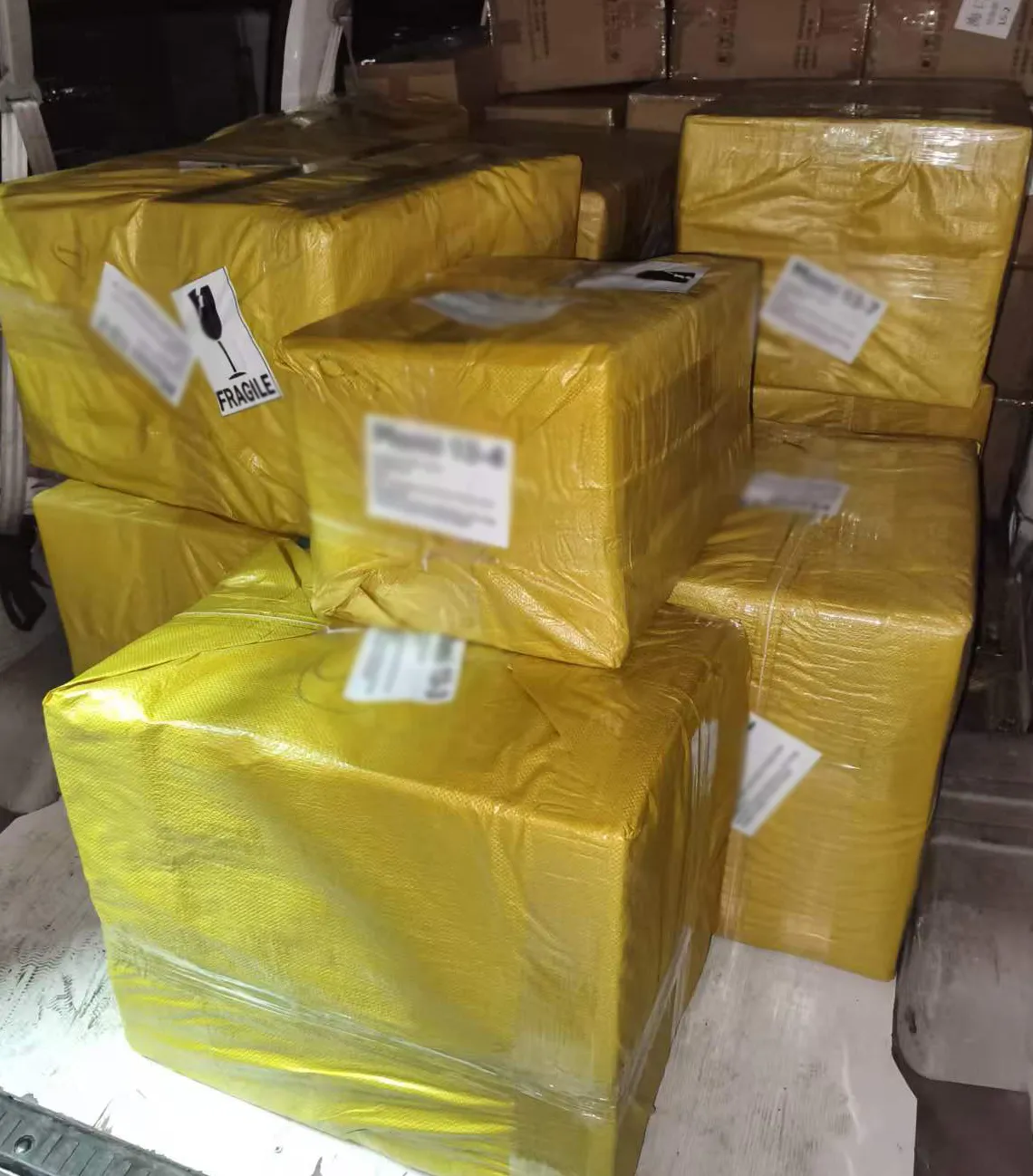
Consolidation. One purchase order is almost never one factory. Last spring I ran an order for a European buyer pulling from a phone-case maker in Shenzhen, a cable maker in Dongguan, and a packaging printer in Wenzhou. I collected all three, checked every carton against the packing list, and shipped them as one DDP shipment with one customs entry, instead of three international shipments with three clearance events and three chances for something to go wrong.
Checking before shipping. I work from Zhaoqing, in Guangdong, a short trip from most of the factory towns I buy in; our company is registered in Zhongshan. Being close means I can look at the actual cartons, labels, and documents before anything moves, which is when problems are cheap to fix.
Translating the quote. I line up the factory price, the FOB price, and the DDP price side by side, so you see what each leg costs instead of guessing which number is real. My fee is a 3 percent commission on the order value, no hidden fees. And if you are a small buyer placing a small first order, that is welcome here; small orders are how most of my longest-running clients started. Message me on WhatsApp at +86 19898484442 or use the contact form.
08 Frequently Asked Questions
What does DDP shipping mean?
DDP stands for Delivered Duty Paid. The seller arranges everything from factory pickup in China to delivery at your address, including export and import customs clearance and the duties and taxes. You receive the goods without handling customs yourself.
Who pays customs duties under DDP?
The seller side does, and the cost is inside the DDP price you were quoted. The duty still relates to your goods and your HS code; the seller pays it on your behalf and includes it in the all-in figure.
Is DDP more expensive than FOB?
The DDP number is bigger because it covers more: freight, import clearance, duties, taxes, and final delivery. Compare DDP against FOB plus everything you would arrange and pay yourself, not against the FOB price alone.
Can I use DDP shipping for Amazon FBA?
Yes, it is common, with conditions. Confirm the delivery appointment, the labeling, and above all the customs route: ask who acts as importer of record and how the entry is filed before you send anything to a warehouse.
Is DDP shipping available to every country?
Coverage depends on the provider and the destination's rules. Some countries require a locally registered importer, a local tax number, or a licensed broker. Confirm the destination and postcode early, because the last-mile leg is part of the price.
What should I confirm before paying for DDP shipping?
Get these in writing: the named Incoterm and destination; exactly which services and charges are included; who is the importer of record; the estimated door-to-door time; and what happens if customs requests more information. Any reluctance to answer is a red flag.
09 Where This Leaves You
The decision comes down to three things: what you are shipping, where it is going, and how much of the process you want to run yourself. If your goods are straightforward, your volumes are small, and you would rather receive cartons than chase paperwork, DDP deserves a hard look. If you ship full containers and already have people at destination, it probably does not.
Either way, judge a DDP quote not by its size but by whether it answers the five checklist questions cleanly. That is the difference between a price that includes everything and a price that is hiding something.
Want real numbers on your own order? Send me your product and destination on WhatsApp at +86 19898484442, or through our shipping and DDP service page, and get a DDP and FOB quote side by side.

Karsa has been helping e-commerce sellers and businesses source products from China since 2016, serving clients from 23+ countries.
 WhatsApp Karsa
Find Karsa on Social Media
Follow for sourcing tips, factory insights, and product updates from China.