01 What the EU EUR150 De Minimis Rule Was - and Why It Ends July 1, 2026
For years, European buyers and sellers have benefited from a trade rule that let parcels valued below EUR150 enter the EU from non-EU countries without paying customs duties. This was called the de minimis exemption - Latin for "about minimal things" - and it created a massive advantage for businesses sourcing directly from China.
In practice, it meant that a parcel containing EUR80 worth of phone accessories shipped directly from a Chinese supplier to a customer in Germany paid zero customs duties. The only tax applied was VAT, collected via the IOSS (Import One-Stop Shop) system since 2021.
European retailers and manufacturers lobbied hard against this exemption, arguing that it gave Chinese platforms (Temu, Shein, AliExpress) an unfair advantage over local European businesses that pay full duties. The EU agreed - and on November 13, 2025, officially announced the exemption would be removed starting July 1, 2026.
The new rules from July 1 are:
- All commercial goods entering the EU from China (and other non-EU countries) are now subject to customs duties, regardless of value
- Parcels under EUR150 face a new EUR3 flat-rate customs duty per shipment (in addition to VAT)
- Parcels above EUR150 continue under the existing customs duty rate structure
- IOSS registration remains mandatory for B2C e-commerce shipments
The EUR3 sounds small. But when you are sending thousands of individual parcels per month, the cumulative cost is very real - and it stacks on top of existing freight, VAT, and platform fees.
02 The Real Cost Math: What Direct Shipping from China to Europe Now Actually Costs
Let's run the numbers on a realistic example. Imagine you sell a EUR35 product on your Shopify store (a phone case, a kitchen gadget, a beauty product). Your supplier ships each unit directly from China to your EU customers. Here is how the economics change before and after July 1:
| Cost Component | Before July 1, 2026 | After July 1, 2026 |
|---|---|---|
| Product price from supplier | EUR4.50 | EUR4.50 |
| Direct shipping (China → EU customer) | EUR3.80 | EUR3.80 |
| EU customs duty | EUR0 (exempt) | EUR3.00 (new flat rate) |
| IOSS VAT handling fee (est.) | EUR0.30 | EUR0.30 |
| Platform + payment fees (est. 15%) | EUR5.25 | EUR5.25 |
| Total cost per unit | EUR13.85 | EUR16.85 |
| Gross profit on EUR35 sale | EUR21.15 | EUR18.15 |
| Gross margin | 60.4% | 51.9% |
A drop from 60.4% to 51.9% gross margin on every single order. For a seller doing EUR10,000 in monthly sales, that is EUR840 in monthly profit lost - or EUR10,080 per year. And this is before ad spend, returns, and customer support costs.
03 Who Gets Hit Hardest - and Who Is Not Really Affected
This policy change does not affect everyone equally. Here is an honest breakdown of who needs to pay attention and who can largely ignore it:
AliExpress / Temu Resellers
Built the entire business model on direct-ship exemption. Every order now costs EUR3 more. The model is broken for anything under EUR50 selling price.
HIGH IMPACTChina Dropshippers
Orders shipped one-by-one from Chinese suppliers to EU customers. EUR3 per parcel duty now applies to every single dropship order, regardless of product value.
HIGH IMPACTSmall Shopify / WooCommerce Sellers
DTC sellers using Chinese suppliers for direct fulfillment without EU stock. Need to rethink supply chain before July 1 or accept margin erosion.
HIGH IMPACTAmazon EU FBA Sellers (China Suppliers)
Already shipping in bulk to Amazon warehouses - less affected per unit. But quality control and supplier reliability issues remain. Agent still valuable.
MODERATETraditional B2B Wholesalers
Already importing in bulk under formal customs declarations. The EUR150 exemption was never relevant to their supply chain. Business as usual.
LOW IMPACTLarge Brand / Private Label Importers
Ordering full containers, paying duties already. De minimis change is irrelevant. They have bigger challenges with EU EPR compliance and ESPR requirements.
LOW IMPACTIf you are in the first three categories - resellers, dropshippers, or small DTC sellers using direct Chinese fulfillment - this is your wake-up call. The business model you built over the past few years relied on a policy exception that is now ending. But there is a cleaner, more sustainable alternative.
04 The Winning Alternative: Bulk Inventory Sourcing + EU Fulfillment
The sellers who will come out ahead after July 1 are not the ones who try to absorb the extra cost or pass it to customers. They are the ones who change their supply chain model entirely.
The alternative looks like this:
-
1Identify your best-selling products (or the ones you plan to scale) These are the products worth ordering in bulk. Even a 50-unit order changes your economics completely compared to 50 individual drop-ship orders.
-
2Source directly from verified Chinese factories Instead of buying from AliExpress (a marketplace of middlemen), you work with the actual manufacturer. Better price, better quality control, more customization options.
-
3Consolidate and ship in bulk to Europe One container or LCL (Less than Container Load) shipment replaces hundreds of individual parcels. Per-unit shipping costs drop dramatically. You pay duty once on the commercial invoice value - not EUR3 per parcel.
-
4Store in an EU warehouse (3PL or your own) With stock in Europe, you fulfill locally. Faster delivery, no per-parcel import duty, and better customer experience. Amazon FBA EU, local 3PL providers, or even a shared warehouse space all work.
-
5Repeat the cycle every 4-8 weeks Once the supply chain is set up, it runs reliably. You know your costs, lead times, and supplier quality. The uncertainty of direct shipping is gone.
Using the same EUR35 product example from Section 2: if you buy 200 units in bulk, ship via sea freight, and clear customs once, your per-unit landed cost in Europe drops to roughly EUR10-11 (vs. EUR16.85 per direct-ship unit). That is a 35-40% reduction in per-unit cost - and you can actually grow the business from there.
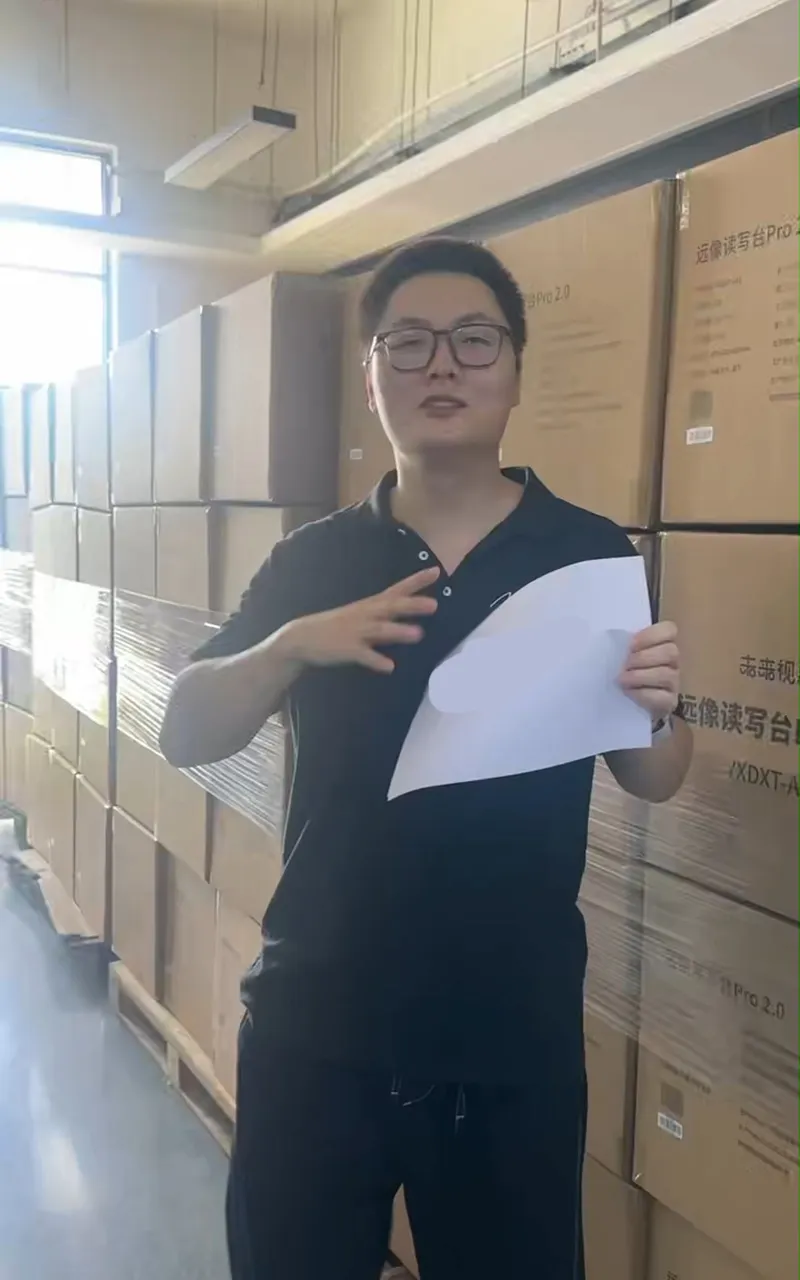
Bulk inventory ready for shipping to Europe - quality checked, counted, and consolidated at Karsa's Guangdong warehouse
05 What You Need to Source in Bulk from China - and What Goes Wrong Without a Local Agent
Switching from direct-shipping to inventory sourcing sounds simple. In practice, first-time bulk buyers run into a consistent set of problems:
Finding the Real Factory
AliExpress is a marketplace, not a factory directory. Most sellers on AliExpress are trading companies. Finding the actual manufacturer requires ground-level research in China.
COMMON MISTAKEQuality Inconsistency
Samples look perfect. Production batch has defects. Without a QC inspection before shipment, you discover the problem only after the container arrives in Europe.
COMMON MISTAKECommunication Gaps
Negotiating MOQ, lead time, and customization details in English with Chinese factories is genuinely hard. Misunderstandings cost time and money.
COMMON MISTAKEPaying the Wrong Price
Without local knowledge of factory pricing norms, most first-time buyers overpay by 15-30% - especially when dealing with suppliers who target foreign buyers.
COSTLYShipping Complexity
FCL, LCL, Incoterms, HS codes, commercial invoice requirements - the paperwork of bulk importing is unfamiliar to sellers who have only done dropshipping.
COSTLYLead Time Surprises
Chinese factories have production lead times of 15-30 days, plus 25-35 days sea freight. Planning inventory properly is a new skill for former dropshippers.
COSTLYThese are not reasons to avoid bulk sourcing. They are reasons to do it with the right support the first time.
06 How a China Sourcing Agent Makes the Transition Painless
A China sourcing agent based in Guangdong is not a middleman who adds a layer of cost. Done right, they are the piece that makes the entire inventory sourcing model work - especially for first-time bulk buyers transitioning from dropshipping.
Here is what I do for European sellers making this transition:
- Find the actual factory - not a trading company, the real manufacturer in Guangdong, Yiwu, Shenzhen, or wherever your product is made. I verify business licenses, production capacity, and export track record before you commit a single euro.
- Request and evaluate samples - I receive samples on your behalf, test quality against your spec, and send you a detailed comparison report with photos. You approve remotely.
- Negotiate price - I negotiate in Mandarin, with factory pricing knowledge. First-time buyers typically see 15-25% lower prices compared to self-sourcing. This usually covers my entire commission.
- Monitor production - I follow up during production to catch issues early. You stay updated without needing to manage factory communication yourself.
- QC inspection before shipment - I inspect the finished goods for defects, count units, verify packaging, and send you a signed inspection report. Nothing ships until you approve.
- Consolidation and warehousing - Your goods arrive at my Guangdong warehouse, where I store them free for 15-20 days, consolidate multiple orders if needed, and prepare for export.
- Arrange freight to Europe - Sea freight (LCL or FCL), air freight, or express depending on your timeline and budget. I work with established forwarders and get competitive rates.
My fee is 3% of the order value. On a EUR2,000 order, that is EUR60. In most cases, I save you more than that in price negotiations alone - before factoring in avoided quality issues and time saved.
Ready to Make the Switch Before July 1?
Tell me what you sell, and I will find you 2-3 verified Chinese suppliers with quotes within 3-5 business days. No commitment required.
07 Your 3-Step Action Plan Before July 1
Six weeks is enough time to get your first bulk order sourced, shipped, and on its way to Europe - if you start now. Here is the plan:
Identify Your Top Products
Pick your 1-3 best sellers or most promising products. These are worth converting from dropship to inventory first. Start small - 50 to 200 units.
Get a Sourcing Quote
Send the product details (AliExpress link, photo, description) to Karsa on WhatsApp. Within 3-5 days you will have factory options, price quotes, and MOQ information.
Approve Sample and Place Order
Review the sample remotely. Once approved, place the order. Karsa monitors production, inspects before shipment, and coordinates freight to your EU address or warehouse.
If you start today (late May), here is what the timeline looks like:
Supplier sourcing: 3-5 days → Sample review: 7-10 days → Production (standard): 15-25 days → Sea freight to Europe: 25-35 days
Total: approximately 50-75 days from today. That means your first bulk order arrives in Europe in late July or August. You will not beat the July 1 deadline for your first shipment - but you will be positioned for Q3 with a lower-cost supply chain already running. If speed is critical, air freight cuts transit time to 5-7 days.
The sellers who are going to win in the post-de-minimis EU market are not the ones waiting to see what happens. They are the ones building a real supply chain now - with verified suppliers, quality-controlled inventory, and professional logistics.
If you have been running a dropshipping business from China and you know the EU is your main market, this change is the push to build the supply chain you should have had all along. The economics are genuinely better at scale. The margin improvement is real. And working with a China-based sourcing agent means you do not have to figure out the manufacturing side yourself.
I have helped sellers from Germany, France, the Netherlands, Sweden, and the UK make this exact transition. The first order is always the hardest - and I make the first order easy.
 WhatsApp Us