
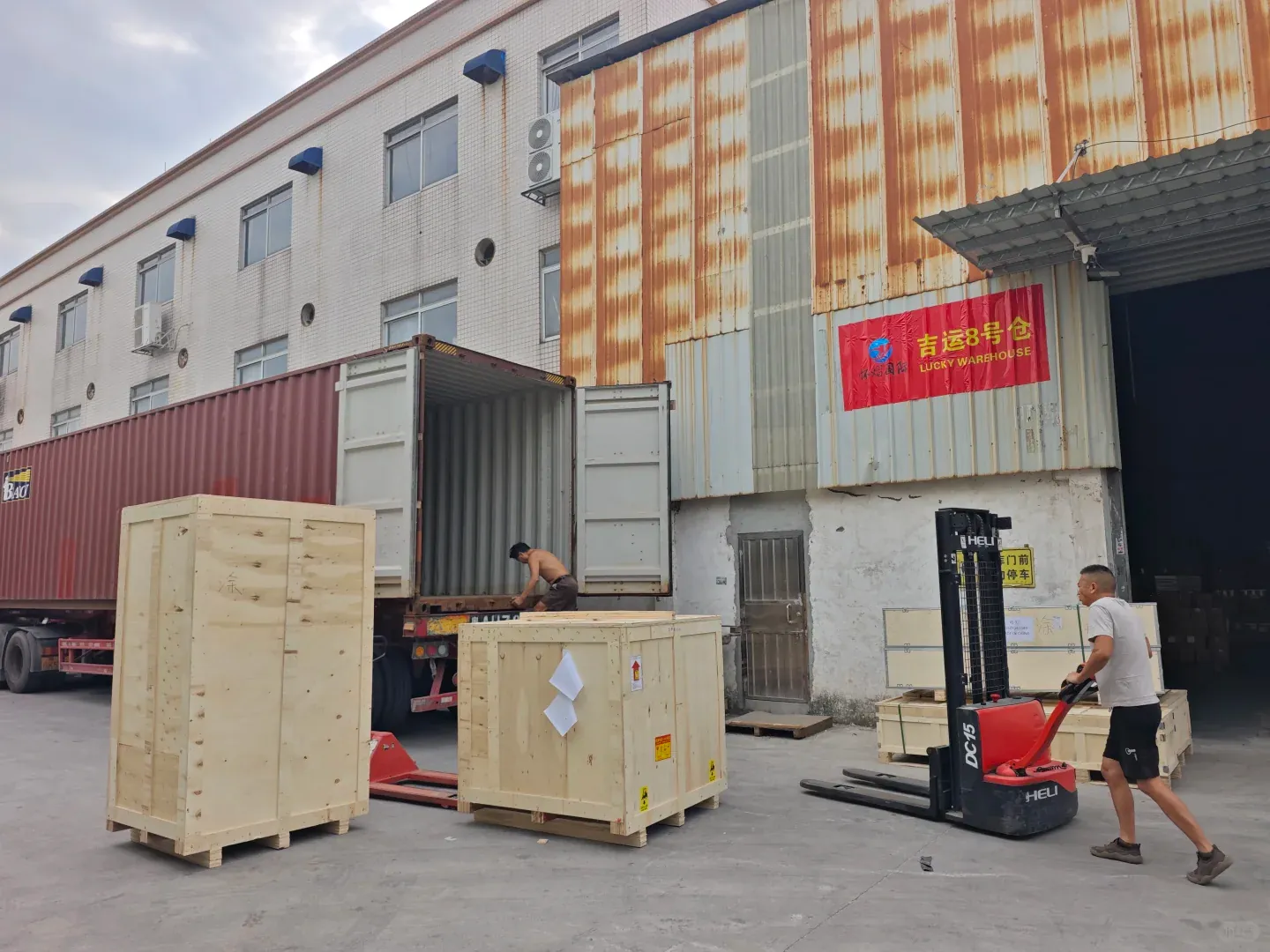
1. The Quick Answer
A real purchase order is almost never one factory. Cases come from one supplier, cables from another, retail packaging from a third. If you buy each item separately, you pay freight from each factory, you track three or four shipments, and you discover the quality problem after the container has already left.
Consolidation fixes that. You let each factory deliver to one point in China, check and repack the goods there, and ship once. The order becomes one shipment, one tracking number and one paper trail.
2. Why One Order Rarely Comes from One Factory
This is the part that surprises first-time importers. A product that looks like one item is often made by several factories:
- The main product comes from one factory.
- The retail box or gift set comes from a packaging factory.
- The printed insert, manual or warranty card comes from a printer.
- Accessories and spare parts come from separate suppliers.
You can ask one factory to handle everything, but you will usually pay a markup for it, and you lose visibility into which part was made where. Combining suppliers yourself (or through an agent) is often cheaper, but only if the goods actually meet at one point.
This is also where the "real factory or trading company" question matters. A trading company can consolidate for you, but it is also adding its own margin to each line. Here is how to tell the difference.
3. Three Ways to Consolidate
| Option | How it works | Best for | Watch out for |
|---|---|---|---|
| Factory-to-factory | One supplier receives the other suppliers' goods and packs everything together. | Very small orders with 2-3 suppliers. | The receiving factory has no clear reason to inspect goods it did not make. |
| Agent warehouse | All suppliers deliver to one warehouse, which checks, repacks and books the shipment. | Mixed orders, inspection before shipping, OEM and private label. | Storage and repacking are real costs - ask for the rate card first. |
| Freight forwarder CFS | The forwarder's container freight station receives the cartons and loads them. | Goods already inspected and ready to load. | Usually no inspection or repacking service - it is a loading point, not a QC point. |
In practice, most small importers end up with the agent warehouse, because it is the only option that also gives you a quality check before the goods are mixed into one shipment.
4. The Process, Step by Step
Step 1 - Plan the consolidation before you order
Decide the consolidation point first, then tell every supplier the delivery address, the delivery window and the carton labelling rules. If you skip this, factories will ship to different addresses on different dates and you will pay three separate freight bills.
Step 2 - Give each supplier one carton spec
Same carton size, same label format, same packing list format. This sounds minor until the goods arrive and half the cartons are unlabelled. A uniform spec is what makes the repacking step fast and cheap.
Step 3 - Book the delivery window
Ask each factory for a realistic ready date, then add a buffer. The warehouse needs a window, not a single day. Early goods wait in storage; late goods delay the shipment. The real risk is not the warehouse, it is a factory that says "almost finished".
Step 4 - Inspect at the consolidation point
Check each supplier's goods against the order before they are repacked and mixed. Count cartons, check labels, check the samples against the approved version, and photograph what arrived. If one supplier's goods fail, you still know which supplier it was - once everything is mixed, you lose that.
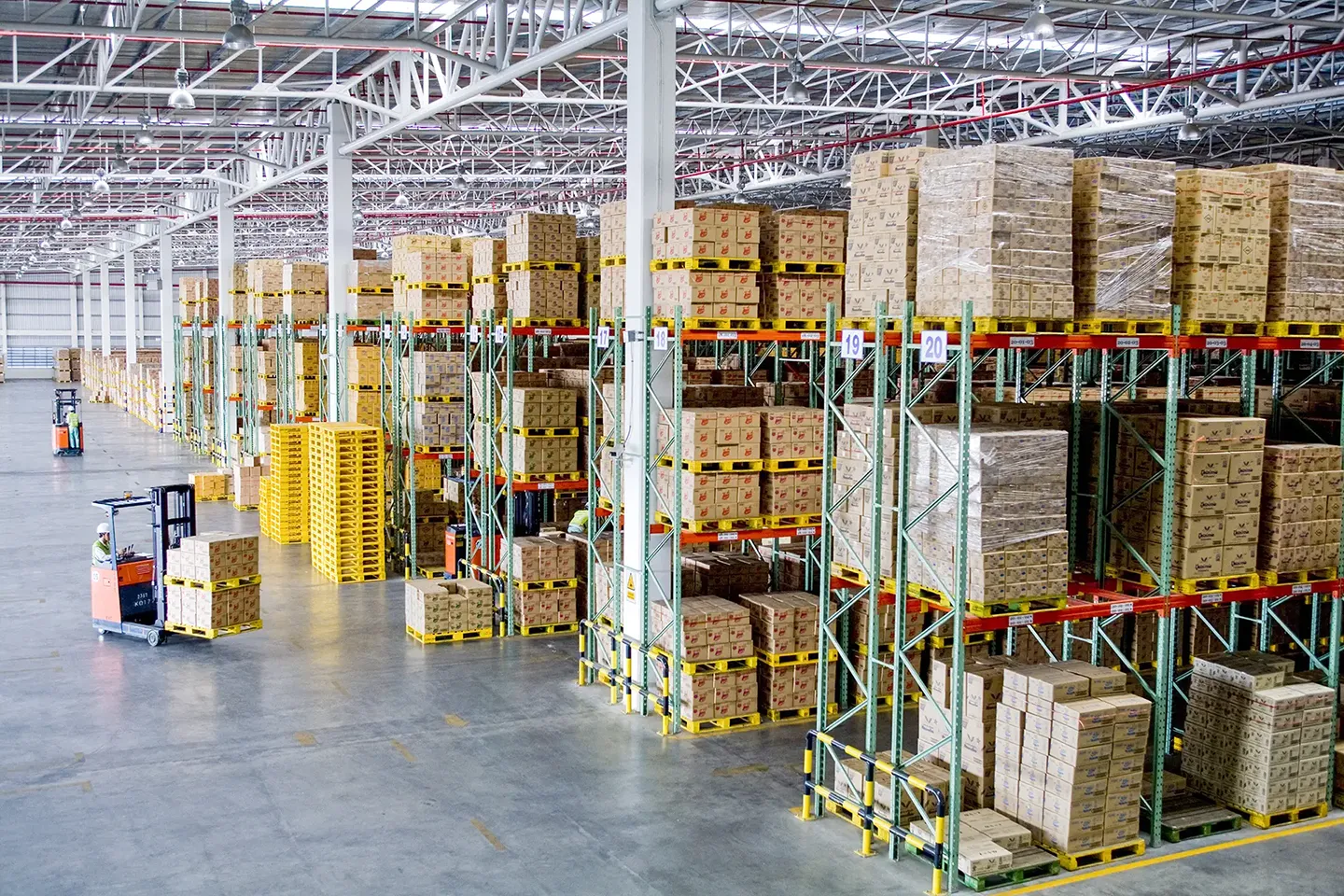
Sorting and checking at the consolidation warehouse - each supplier's cartons stay identifiable until they are repacked.
Step 5 - Repack and label
Repacking can mean combining cartons, removing factory logos, adding your own labels, inserting manuals or warranty cards, or building retail-ready sets. This is also where private-label work happens. Keep a repacking spec in writing so the result is repeatable on the next order.
Step 6 - Book one shipment
With everything in one place, you get one booking: air freight for urgent goods, LCL for small sea volumes, FCL for larger ones. One bill of lading, one customs entry, one delivery appointment. That is the whole point of consolidating.
5. What Consolidation Costs
Consolidation is not free, but it is usually cheaper than paying separate freight from every factory. The costs are predictable:
| Cost | How it is usually charged | What to ask |
|---|---|---|
| Warehouse storage | Per carton per day, or free for a short window | How many free days before storage starts? |
| Inspection | Per man-day or per shipment | Is it a full check or a sample check? |
| Repacking | Per carton or per hour | Does it include labels and inserts? |
| LCL sea freight | Per cubic meter plus destination charges | Are destination charges included in the quote? |
| FCL sea freight | Flat container price | Which port pair and which transit time? |
Ask for the rate card before the goods leave the factories. A warehouse that quotes one number per shipment and then adds "handling" is telling you the real number will arrive later.
6. LCL vs FCL: The Break-Even Math
The choice is about volume, not the number of suppliers. LCL is charged per cubic meter and adds destination charges such as CFS handling and documentation. FCL is a flat container price with fewer destination add-ons.
As a rule of thumb for small importers:
- Under about 15 cubic meters: LCL is usually cheaper.
- Around 15-20 cubic meters: get both quotes - the gap is small and depends on the destination port.
- Above about 20 cubic meters: FCL is often better, even if the container is not full.
Do not guess. Send the volume, the destination city and the cargo description, and ask for both LCL and FCL quotes. The break-even moves with the route, the season and the surcharges. For a deeper cost breakdown, read the sea freight cost and timeline guide.
Sorting out a mixed order?
Send the product list, quantities and suppliers. I will tell you whether consolidation pays for itself on your volume.
7. Five Mistakes That Cost You Money
- Choosing the consolidation point after ordering. Factories ship to different addresses and the "savings" disappear in separate freight bills.
- No single carton and label spec. The warehouse spends extra time relabelling, and you pay for it.
- Skipping inspection because "the factory is reliable". A mixed order is exactly when one bad batch hides inside a good shipment.
- Forgetting destination charges. LCL quotes that look cheap often exclude CFS handling, documentation and delivery.
- Mixing suppliers before recording what arrived. Once the cartons are mixed, a claim against one supplier is almost impossible to prove.
8. FAQ
Can I combine products from several Chinese suppliers into one shipment?
Yes, and most orders that look simple actually need it. Each factory ships to one consolidation point in China, where the goods are checked, repacked and booked as a single air or sea shipment. The alternative is paying separate freight from each factory, which is usually more expensive and harder to track.
Do I need a warehouse in China to consolidate?
You need somewhere for the goods to land, but you do not need to rent your own warehouse. The usual options are an agent's consolidation warehouse, a freight forwarder's CFS, or the factory itself if it holds goods for a short time. An agent warehouse is useful when you want inspection and repacking before the container is booked.
How long does consolidation take?
Plan two to seven working days after the last factory delivers, depending on volume. Small orders are checked and repacked in a day or two. Full container loads with mixed cartons need more time for sorting, label checks and loading. The real delay is usually factory lead times, not the warehouse work.
LCL or FCL - which is cheaper for a mixed order?
It depends on the volume, not the number of suppliers. LCL is charged per cubic meter and adds destination charges, while FCL is a flat container price. A mixed order under roughly 15 cubic meters is usually cheaper as LCL; above about 20 cubic meters, FCL is often better. Get both quotes for your exact volume and destination.
Who handles quality checks when several factories are involved?
The consolidation point is the natural place to inspect. Each supplier's goods are checked against the order before they are repacked and mixed, so a problem is caught while that factory is still responsible. Photos, quantities and carton counts are recorded per supplier, which matters if a claim is needed later.
Can you combine my suppliers' goods and ship to my door?
Yes. Send the product details, quantities and suppliers if you already have them. I check the goods in Guangdong, repack to the carton and label spec you need, and book air or sea freight to your city. You get one tracking point and one paper trail instead of five.
What to Do Next
If you are already ordering from more than one factory, the next step is not another supplier - it is one consolidation point. If you are still choosing suppliers, start with the workflow: how to import from China, how to verify a factory, and shipping from China.
Send me your product list and quantities. I will tell you what I would do with the order - including when the honest answer is that the volume is too small for consolidation to pay off.
 WhatsApp Karsa