
01 Why Pet Supplies Are a Smart Category
The global pet care market is enormous and still growing. Industry estimates put it in the range of 300 to 350 billion US dollars in 2025 and 2026, and it has proven unusually resistant to economic downturns. When households tighten budgets, pet spending is one of the last things they cut. That stability is exactly what makes the category attractive to importers.
China is the dominant manufacturing base for pet products. Multiple market research reports place China's share of global pet supplies exports at roughly 60 percent or higher. The country's lead is especially strong in electronics and smart pet tech, where integrated supply chains, component access, and flexible OEM/ODM capabilities are hard to replicate elsewhere.
The fastest-growing slice of the category is smart pet tech: automatic feeders, smart litter boxes, GPS trackers, and health monitors. This segment has been growing at roughly 20 percent or more per year, far above the category average. For an importer, that means demand is expanding, not just steady.
Pet items are also friendly to new importers for practical reasons. Many are small, light, and inexpensive to tool, which keeps MOQs and shipping costs manageable compared with furniture or machinery. A first container of collars, toys, or feeders is far less risky than a first container of industrial equipment.
But there is a catch that does not apply to many other categories: pet products go into mouths, around necks, and into homes with animals that cannot complain if something is wrong. Material safety and certification matter more here than they do for, say, a phone case. The rest of this guide is built around getting that part right.
02 The Top Pet Product Categories to Source
Not every pet product is equally good for a first-time importer. Below are the categories with the strongest combination of demand, margins, and sourcing maturity in China.
Collars, Leashes, and Harnesses
This is the entry point for most pet importers. Collars and leashes are simple to manufacture, come in endless styles and materials (nylon, leather, reflective, LED), and support low MOQs. Reflective and LED collars in particular sell at a premium over plain webbing.
We source these directly:
Standard pet collars - LED glow collars - GPS tracking collars
Smart Pet Tech
GPS collars, automatic feeders, and smart litter boxes are where the margin and the growth are. These products combine electronics, mechanical parts, and app software, which raises the barrier to entry for competitors and supports healthier pricing. They also demand stricter verification, because batteries, waterproofing, and wireless modules all introduce failure points.
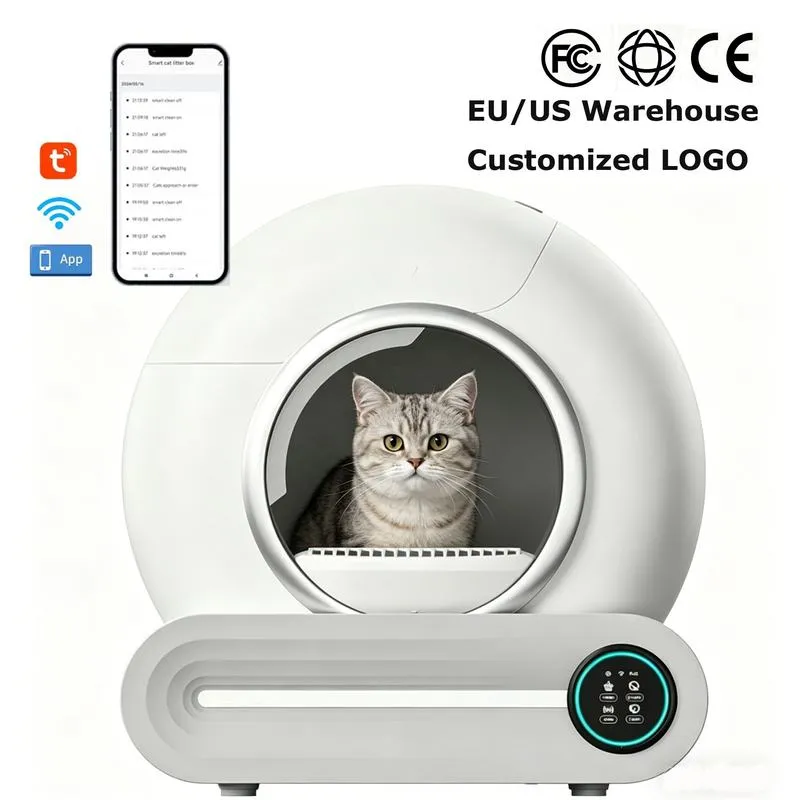
A smart litter box from our pet supplies range. Electronics-based pet products need CE/FCC and battery safety checks.
Examples we handle:
Pet Apparel and Accessories
Pet clothing is a surprisingly deep category, from functional raincoats to costume and fashion lines. It rewards suppliers with strong textiles and small-batch flexibility. The cat apparel niche in particular has an enthusiastic online buyer base.

One piece from our designer cat clothing collection, a strong niche for social-media-driven pet brands.
See the full range in our designer cat clothes collection guide.
Toys, Chews, Beds, and Bowls
These are high-volume, price-sensitive categories. Toys and chews are easy to source but crowded with low-cost competition, so differentiation (durable materials, puzzle designs, safe dyes) is what protects margin. Beds and bowls are heavier and bulkier, which pushes up shipping cost per unit, so they suit sellers who already have consolidated freight.
03 Where Pet Products Are Made in China
China's pet product manufacturing is regional. Each province specializes, and matching your product to the right cluster is one of the simplest ways to improve price and quality.
| Region | Key Cities | Specialization | Best For |
|---|---|---|---|
| Guangdong | Guangzhou, Shenzhen, Dongguan, Foshan | Pet electronics, smart feeders, collars, plush toys | Premium pet tech, branded goods, safety-certified products |
| Zhejiang | Yiwu, Ningbo, Wenzhou | Plastic toys, leashes, bowls, packaging | Budget-friendly bulk orders, private label basics |
| Jiangsu | Suzhou, Changzhou | Textiles, pet beds, grooming tools | Pet apparel, soft goods, high-quality fabrics |
| Shandong | Qingdao, Jinan | Pet food and treats, durable chew toys | Food (heavily regulated) and agri-based items |
| Fujian | Xiamen, Quanzhou | Silicone products, travel accessories | Silicone bowls, mats, eco-friendly items |
Guangdong is the cluster we use most for the products we source, because its factories lead on electronics and certification readiness. If you are buying plain nylon leashes by the container, Zhejiang's mass-production lines will usually quote lower. The right answer depends on whether you are optimizing for cost or for capability.
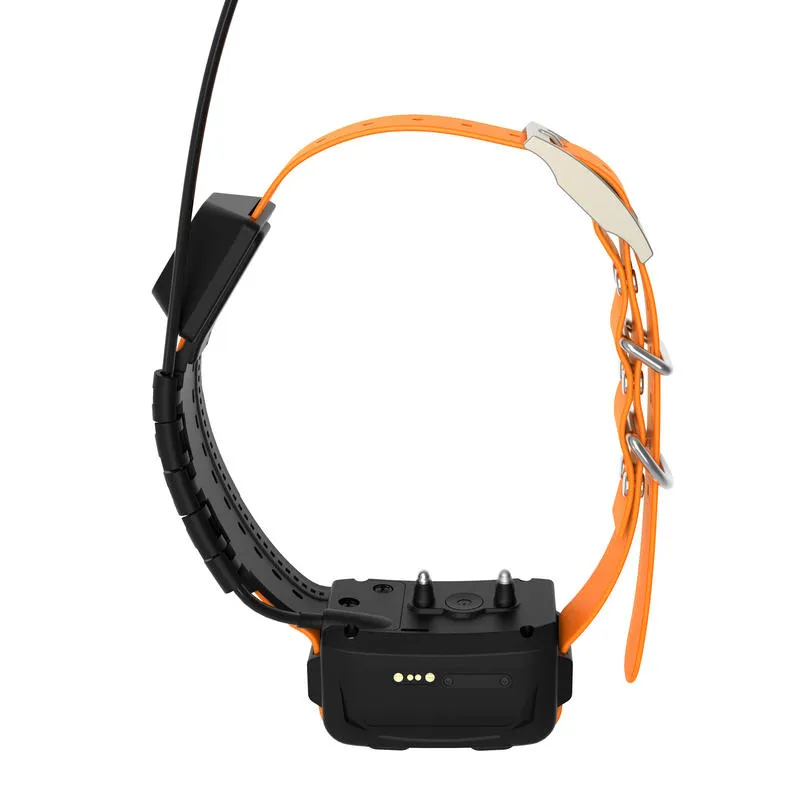
A GPS tracking collar. Electronics-heavy pet products are concentrated in Guangdong's certified factories.
04 How to Verify a Pet Product Supplier
This is the section that separates a profitable pet import from a liability. Because these products interact directly with animals, verification is not optional. Here is the process we use.
Start with the basics
Check the business license and confirm the supplier's registered scope actually covers the product they are quoting. A trading company can be a perfectly good partner, but you should know you are working with one, not mistake it for a factory. Our guide on telling traders from manufacturers walks through the tells.
Ask for proof, not promises
For any product a pet will chew, wear, or eat near, request material specifications and third-party test reports. Reputable factories work with SGS or Bureau Veritas and can show you recent certificates. If a supplier claims CE or FCC but has no test report to back it, that is a red flag, not a paperwork formality.
Know which certifications matter
- CE - required for electronic pet products sold in the European Economic Area
- FCC - required for wireless electronics (GPS collars, some feeders) in the United States
- RoHS and REACH - restrict hazardous substances in materials and coatings
- EU GPSR - the EU's general product safety regulation, now covering a wide range of consumer goods including pet items
- CPSIA - relevant in the US when a product is also marketed toward children
Close the loop with samples and inspection
Order samples before committing, then run a pre-shipment inspection on the actual production batch. Our 8-step factory audit checklist and our sample evaluation guide cover the details. For pet products, pay special attention to material safety, battery housing, and waterproofing on any electronics.
Rule of thumb: a supplier who cannot show test reports is a supplier to walk away from. The savings on a cheap, uncertified order disappear the moment a single product fails and a customer's pet is harmed.
05 MOQ, Pricing, and Private Label
Minimum order quantities vary widely by product type:
- Simple collars, leashes, bowls: often 100 to 500 pieces per color or style
- Plush toys and apparel: typically 200 to 500 pieces per design
- Smart devices (GPS collars, feeders, litter boxes): usually 300 to 1,000 units because of tooling and electronics setup
- Private label runs: can sometimes start lower if the factory already makes the base product you want to brand
Pricing follows the usual China rules. Get multiple quotes, compare them on the same specification, and treat a quote that is dramatically below the others as a warning sign rather than a win. "Too cheap" usually means a material shortcut you will pay for later, either in returns or in reputation.
Private label is one of the strongest opportunities in this category. Many factories already produce a base product that you can brand with your own logo, packaging, and color options. The constraint is MOQ, which rises once you add custom molding, printing, or packaging. If you want to go deeper on this route, our custom OEM and private label page explains how we manage it, and our factory-direct pricing guide shows how to negotiate the base cost down.
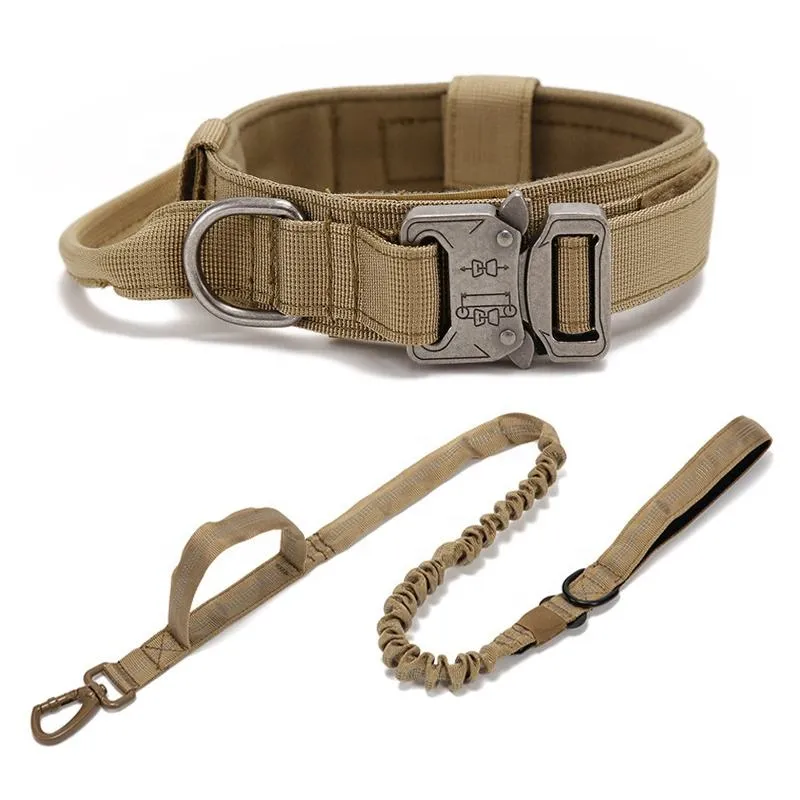
Plain pet collars like these are ideal private label starting points: low MOQ, easy custom branding.
06 Common Pitfalls When Sourcing Pet Supplies
07 How Youna Sources Pet Supplies
When a client asks us to build a pet supplies line, the process is straightforward:
- We agree on the product mix and target price band
- We match the product to the right cluster (Guangdong for electronics, Zhejiang for basics, Jiangsu for textiles)
- We audit the shortlisted factories and verify licenses and certifications
- We order and evaluate samples, including material and safety checks where relevant
- We negotiate the base price and lock the specification in writing
- We run pre-shipment QC and arrange shipping to your door
We have sourced pet collars, LED glow collars, GPS trackers, automatic feeders, smart litter boxes, and cat apparel for clients across multiple countries. The full range is on our pet supplies category page.
Our pricing is transparent: the factory quote is shown clearly, and our fee is stated up front with no hidden markups. You see the same numbers we see, which is the only way a sourcing relationship works long term.
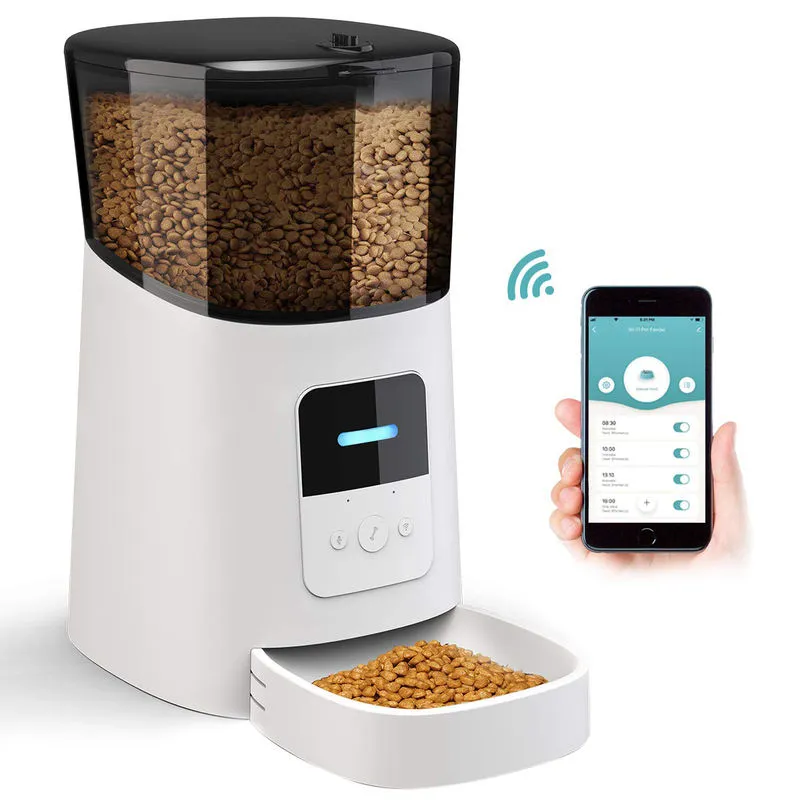
An automatic pet feeder. App-controlled pet tech is the fastest-growing segment in the category.
08 Frequently Asked Questions
Is China still the best place to source pet supplies in 2026?
For most non-food pet products, yes. China remains the dominant manufacturing hub and accounts for roughly 60 percent or more of global pet supplies exports. Vietnam and other Southeast Asian countries are growing fast for textiles and basic goods, but China still leads on electronics, smart pet tech, and full supply-chain integration.
What is a realistic MOQ for pet products from China?
It varies by product. Simple items like collars, leashes, and bowls often start around 100 to 500 pieces per color or style. Smart devices such as GPS collars and automatic feeders usually need 300 to 1,000 units because of tooling and electronics setup. Private label runs can sometimes start lower if the factory already makes the base product.
Do I need certifications to import pet products?
It depends on the product and destination. Electronic pet items such as GPS trackers and smart feeders generally need CE (Europe) and FCC (United States) marking, plus RoHS and REACH for material safety. The EU also applies GPSR for general product safety. Non-electronic items are less regulated but material safety still matters, especially for chews and anything that goes in a pet's mouth.
Can I private label pet products from China?
Yes. Private label and OEM/ODM is one of the biggest opportunities in this category. Many factories already produce a base product that you can brand with your own logo, packaging, and color options. The main constraint is MOQ, which rises once you add custom molding, printing, or packaging.
How do I avoid unsafe pet products?
Never choose a supplier on price alone. Request material specifications, ask for third-party test reports from SGS or Bureau Veritas, and order a pre-shipment inspection. For chew items and electronics, insist on documentation proving the materials are non-toxic and the battery and waterproofing are safe. A supplier who cannot show test reports is a supplier to walk away from.
 WhatsApp Us