01 What Is a 3D Wall Printer?
A 3D wall printer is a vertical printing machine that applies ink directly onto a wall, turning a digital image into a large-scale mural in hours instead of days. Most modern units use UV inkjet technology: the print head sprays CMYK plus white ink, and UV light cures it instantly, so the result is dry, scratch-resistant, and odorless.
The "3D" label comes from the relief and depth effects these machines can produce - layered ink builds subtle texture, and the high resolution makes patterns look dimensional even on a flat wall. But the core value is simpler than the name suggests: it is a fast, repeatable way to put any image on almost any vertical surface.
What it prints on:
Interior and exterior walls, glass, wood, ceramic tile, metal, and canvas. If the surface is flat and stable, a wall printer can usually handle it. Very rough walls may need a primer coat first.
If you already know you want one, our 3D wall printer product page covers the full specification and pricing inquiry. This article is about where the machine actually gets used.
02 How a 3D Wall Printer Works
The workflow is short enough that most operators are running paid jobs within a day of setup:
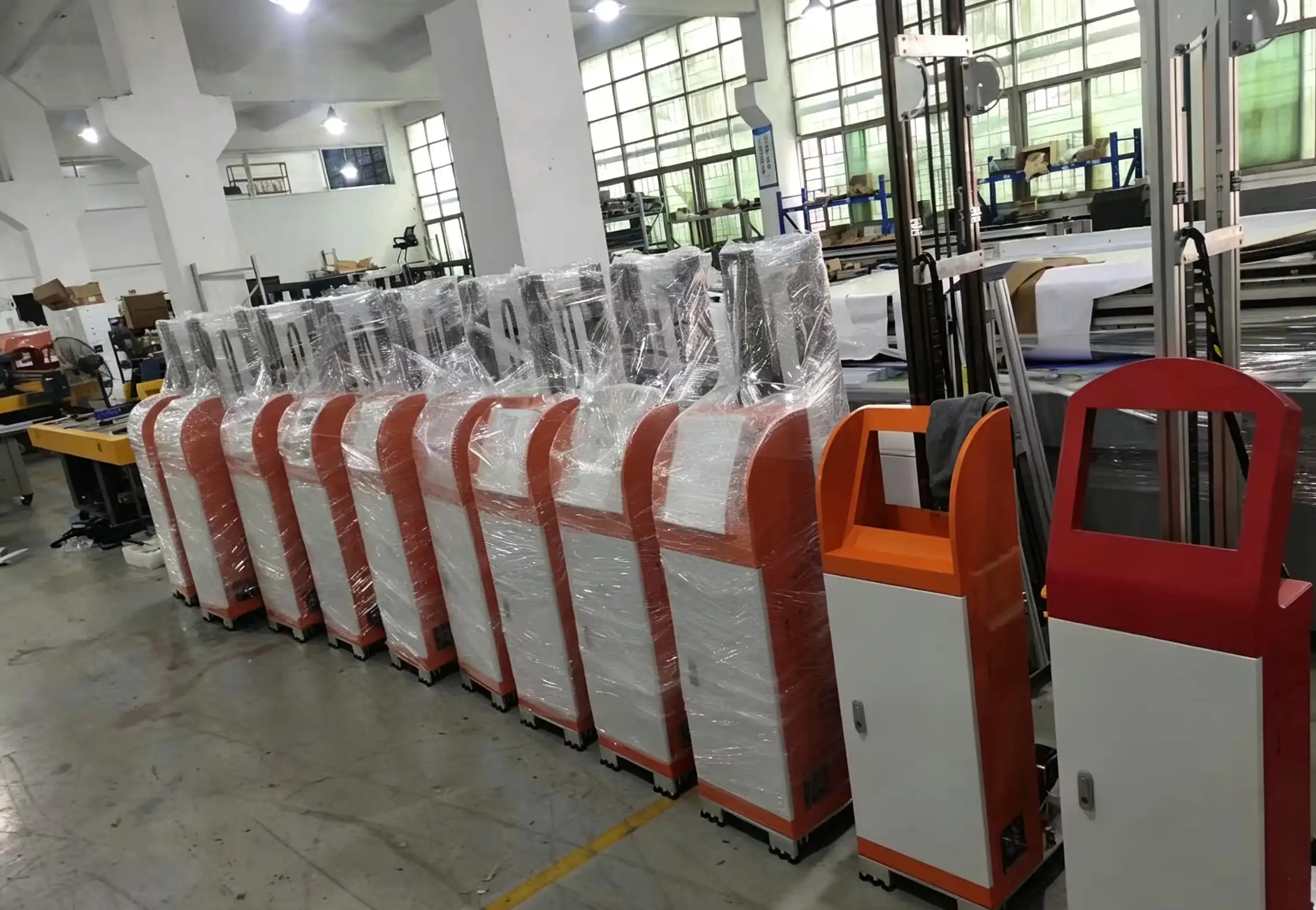
A vertical UV wall printing machine in operation. The rail moves along the wall while the print head applies cured UV ink.
03 12 Industries Using Wall Printers
The reason wall printers attract such diverse buyers is that "print a custom image on a wall" solves a problem in almost every space people gather. Here are the twelve most active industries.
1. Home Interior Decor
Feature walls, nurseries, and stairwells with custom photo murals - a premium upgrade for homeowners and interior designers.
2. Commercial Murals
Shopping malls, lobbies, and public spaces use large branded artwork that would be slow and costly to paint by hand.
3. Hotels & Restaurants
Themed walls and branded ambiance that guests photograph and share, driving free social media exposure.
4. Real Estate
Model homes and sales centers staged with high-end wall graphics to help buyers imagine the space.
5. Schools & Kindergartens
Colorful, educational murals that make learning environments more welcoming and stimulating.
6. Churches & Community
Inspirational wall art and donor walls for community centers and places of worship.
7. Outdoor Advertising
Building facades and hoardings printed directly, avoiding vinyl wrapping and repaint cycles.
8. Art Galleries & Exhibitions
Exhibition booths and gallery walls with replica or original prints produced on demand.
9. Hospitals & Healthcare
Calming murals in children's wards and waiting areas that reduce anxiety and improve experience.
10. Gyms & Sports Facilities
Motivational graphics and branded walls for fitness and training spaces.
11. Retail Flagships
Store interiors and window backdrops engineered to be shared, extending reach beyond the physical location.
12. Photography & Events
Studio backdrops and event walls printed to match a specific theme or brand.
The takeaway for a buyer: whichever industry you serve, a wall printer lets you sell "custom wall graphics" as a service - and that service carries far higher margins than selling printed paper or vinyl.
04 Wall Printer vs Hand Painting
For one-off hobby projects, hand painting is fine. For any repeat or commercial work, the machine wins on speed, consistency, and cost per square meter.
| Factor | Manual Painting | Wall Printer |
|---|---|---|
| Speed (10 sqm mural) | 2 to 5 days | 1 to 2 hours |
| Photo realism | Limited by skill | Up to 2880 DPI |
| Consistency | Varies per job | Identical every time |
| Rework on error | Repaint the area | Re-print the section |
| Labor cost | High, per project | Low, per sqm |
| Scalability | Hard to scale | Multiple sites |
The ROI math:
Ink consumption is low - a full-color mural uses only a fraction of a liter per square meter. On a paid commercial job, the ink cost is a small fraction of what labor would have been, which is why operators report the machine paying for itself after a handful of projects.
05 Starting a Wall Printing Business
Because the barrier to entry is low, a wall printer is one of the more approachable equipment businesses to launch. The typical path:
- Start with one machine. MOQ from Chinese factories is often just 1 set, so you can test local demand before investing in a fleet.
- Target local service buyers. Decor shops, restaurants, real estate agents, schools, and event planners are all within reach of a single operator.
- Sell the service, not the hardware. Price per square meter or per project, and let the margin compound as you build a portfolio.
- Add private-label options. If you resell the machines too, Chinese factories offer custom branding so you can put your name on the unit.
The buyers we work with range from sign shops adding wall printing to their existing large-format services, to entrepreneurs running a mobile wall-printing business with low overhead. The machine is flexible enough to serve both.
06 Why Source Wall Printers from China
China is the manufacturing hub for vertical wall printing machines. The supply chain - print heads, rails, ink, control systems - is concentrated in Guangdong and surrounding provinces, which keeps both cost and lead time down.
What you get sourcing from China
- Competitive pricing. A capable unit typically runs 2,800 to 10,800 US dollars depending on specs, far below local reseller markups.
- Private-label readiness. Custom logo, machine color, branded software, and multi-language UI are standard options.
- Low MOQ. Many factories accept 1 set, ideal for a first machine or a demo unit.
- Cluster depth. Guangdong alone has the component and assembly ecosystem to support fast revisions and re-orders.
Working with a sourcing agent changes the risk profile. We visit the factory, verify the machine against spec, arrange pre-shipment inspection, and consolidate freight - so you are not trusting a listing photo for a 5,000 dollar purchase. Our custom OEM and private label page covers the branding side, and our factory-direct pricing guide shows how to negotiate the base cost down.
Hidden costs still apply:
Freight, import duties, and local installation can erase a good ex-works price if you ignore them. Run the full landed-cost math using our hidden costs guide before you commit, and our sourcing agent cost guide to understand service fees.
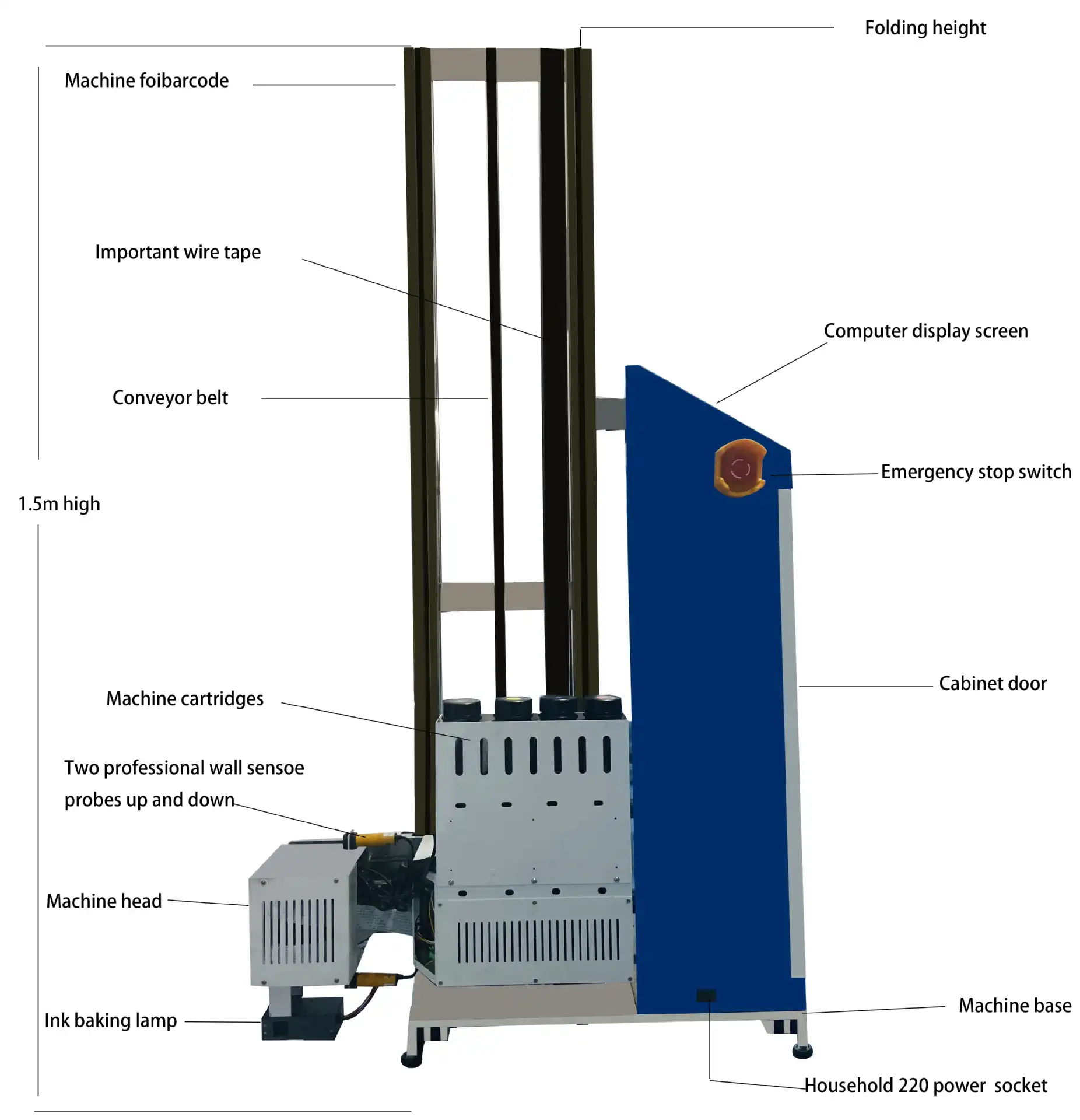
A vertical wall printing machine prepared for export. Units ship in protective crating with manual, video guide, and remote setup support.
07 Frequently Asked Questions
What is a 3D wall printer used for?
A 3D wall printer, also called a vertical UV wall printing machine, prints photo-realistic murals, patterns, and text directly onto walls and other flat surfaces. It is used across home decor, commercial murals, hotels, real estate, schools, healthcare, retail, advertising, and events.
How does a 3D wall printer work?
A wheeled rail is placed against the wall and a laser sensor levels the print head. You load an image on the touchscreen or app, set the print area, and the UV inkjet head prints the design while curing the ink with UV light. It moves continuously along the wall for unlimited width.
Is a wall printer cheaper than hand painting?
For commercial or repeat work, yes. A 10 square meter mural that takes a painter 2 to 5 days can be printed in 1 to 2 hours. Ink cost per square meter is low, so the machine pays for itself quickly once you run paid jobs.
Can I start a wall printing business with one machine?
Yes. Many buyers start with a single unit serving local decor shops, restaurants, real estate agents, and event planners. MOQ from Chinese factories is often just 1 set, so you can test the market before scaling.
Why buy a wall printer from China?
China is the manufacturing hub for these machines, with mature supply chains, competitive pricing, and private-label options. A capable unit typically costs 2,800 to 10,800 US dollars depending on specs, versus much higher prices from local resellers.
 WhatsApp Us